

Auburn relocation buyers often ask whether they should choose a home with a homeowners association—or avoid an HOA entirely.
An HOA community may offer amenities, shared maintenance, and standards intended to create a more consistent neighborhood appearance. A property without an HOA may offer owners greater flexibility and fewer recurring association fees.
Neither option is automatically better.
The right choice depends on the specific association, its governing documents, fees, financial condition, restrictions, and how you want to use your property.

Table of Contents
- What Is a Homeowners Association?
- Benefits of Buying in an HOA Community
- Possible HOA Tradeoffs
- Benefits of Buying Without an HOA
- Possible No-HOA Tradeoffs
- HOA Versus No HOA Comparison
- Documents Buyers Should Review
- Questions Auburn Relocation Buyers Should Ask
- Quick Q&A
- Work With Laura Sellers
What Is a Homeowners Association?
A homeowners association is an organization that manages certain responsibilities within a residential community.
Owners may be required to pay assessments and follow recorded covenants, conditions, restrictions, bylaws, rules, and architectural guidelines.
Depending on the community, an HOA may be responsible for:
- Entrances and landscaping
- Private roads
- Community signs
- Pools
- Clubhouses
- Walking trails
- Ponds
- Common green spaces
- Private gates
- Exterior maintenance
- Lawn care
- Building insurance for certain common-interest properties
- Enforcement of neighborhood restrictions
Every association is different.
Never assume two Auburn neighborhoods have the same rules simply because both have an HOA.

Benefits of an HOA Community
Some buyers appreciate the structure an HOA can provide.
Potential advantages may include:
- Maintenance of shared spaces
- Community amenities
- Established property-use standards
- Rules addressing exterior appearance
- Procedures for architectural changes
- Shared responsibility for certain expenses
- Lawn or exterior maintenance in some communities
- A management structure for common concerns
A buyer who wants access to a pool, clubhouse, trails, or maintained common spaces may prefer an HOA community.
Likewise, someone seeking a lower-maintenance townhome or condominium may expect the association to handle specific exterior or common-area responsibilities.
The key word is specific. Buyers must verify exactly what the HOA maintains rather than relying on assumptions or casual descriptions.

Possible HOA Tradeoffs
Association living also involves obligations.
Potential concerns include:
- Regular dues
- Initiation or transfer fees
- Special assessments
- Architectural approval requirements
- Landscaping standards
- Parking restrictions
- Fence limitations
- Pet-related rules
- Leasing restrictions
- Short-term rental restrictions
- Rules governing exterior colors or materials
- Limits on recreational vehicles, trailers, or boats
- Enforcement actions and fines
Some restrictions may feel reasonable to one buyer and intolerable to another.
A buyer who wants to install a particular fence, park a work vehicle, rent the property, keep multiple pets, or make substantial exterior changes should review the rules carefully before purchasing.
Do not buy first and assume you can negotiate with the HOA later.

Benefits of Buying Without an HOA
A property without an HOA may appeal to buyers seeking more control over their homes and land.
Potential advantages include:
- No regular association dues
- Fewer private neighborhood restrictions
- More flexibility with certain exterior changes
- No HOA architectural review process
- Greater independence over landscaping
- Fewer association rules governing property use
- No HOA board or management company
A no-HOA property may appeal to someone who wants acreage, space for equipment, fewer design restrictions, or a more independent ownership experience.
However, “no HOA” does not mean “no rules.”
City ordinances, county requirements, zoning, recorded deed restrictions, easements, permitting rules, and other legal limitations may still apply.

Possible No-HOA Tradeoffs
Without an HOA, there may be no private organization maintaining entrances, amenities, private roads, or neighborhood standards.
Possible considerations include:
- No shared amenities
- No central organization for neighborhood concerns
- Greater variation in property appearance
- Owners handling all exterior maintenance
- No HOA enforcement of private neighborhood standards
- Potentially fewer services included with ownership
- More individual responsibility for the property
A buyer may enjoy greater flexibility but have less influence over how neighboring properties are maintained.
Again, neither arrangement guarantees a particular experience. Buyers need to evaluate the actual property and surrounding area.
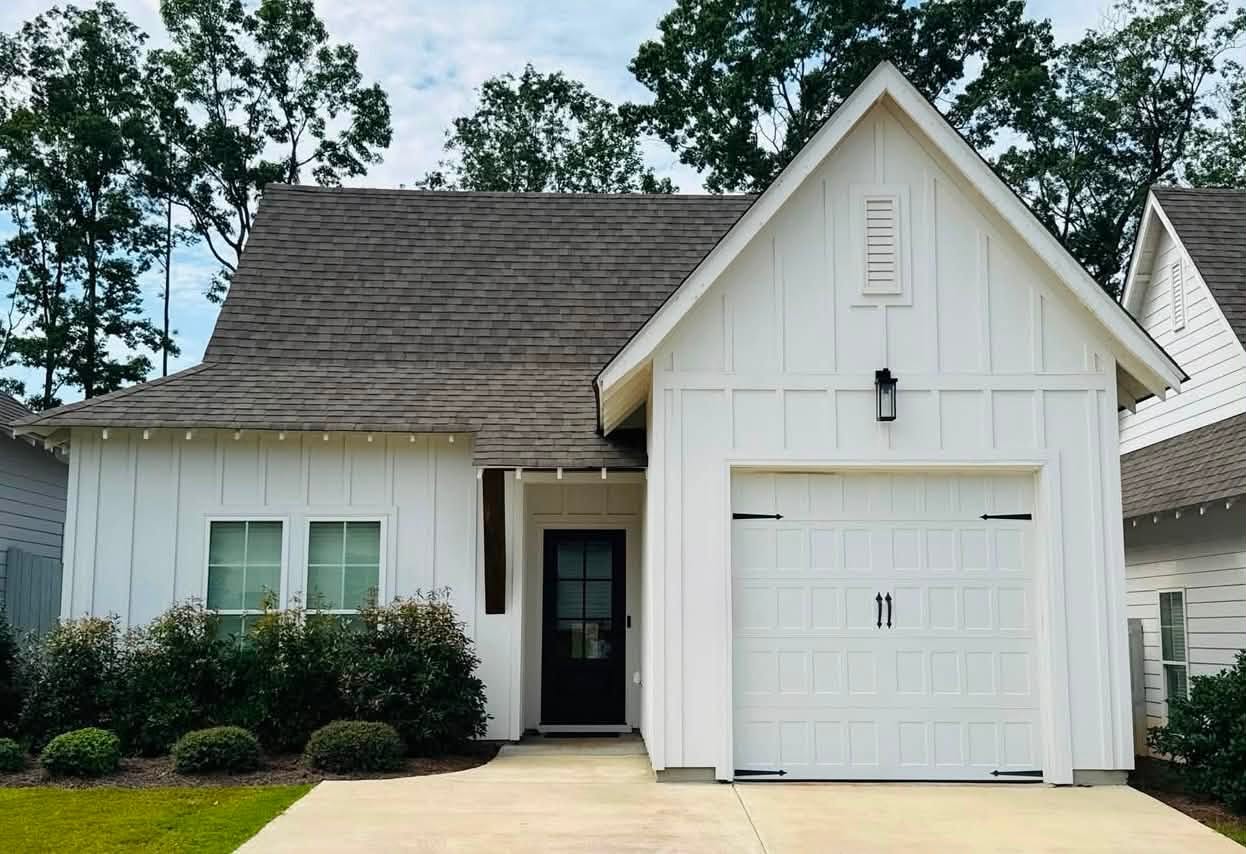
HOA Versus No HOA
| Consideration | HOA Community | No HOA |
|---|---|---|
| Regular dues | Usually required | No HOA dues |
| Amenities | May include pools, trails, or clubhouses | Typically no association amenities |
| Exterior rules | Often established in governing documents | Fewer private association rules |
| Shared maintenance | May include common areas or exterior items | Owner generally handles the property |
| Architectural changes | Approval may be required | No HOA approval, but other rules may apply |
| Parking | May have detailed restrictions | Governed by property rights and local rules |
| Leasing | May be limited or regulated | Other restrictions may still apply |
| Neighborhood standards | HOA may enforce private covenants | No HOA enforcement structure |
| Special assessments | Possible | No HOA special assessments |
| Flexibility | May be more limited | May offer greater independence |
The community documents—not the word “HOA”—tell you what ownership actually involves.
What Auburn Relocation Buyers Should Review
Before purchasing in an association, buyers should obtain and review the available documents.
These may include:
- Declaration of covenants and restrictions
- Bylaws
- Rules and regulations
- Current budget
- Financial statements
- Reserve information
- Insurance information
- Recent meeting minutes
- Current dues and fees
- Special assessment information
- Pending litigation disclosures
- Architectural guidelines
- Leasing restrictions
- Pet and parking rules
- Maintenance responsibilities
The availability and names of documents may vary.
Buyers should consult appropriate legal, financial, insurance, tax, or other qualified professionals when questions fall outside a REALTOR®’s expertise.
Questions to Ask About HOA Fees
Do not look only at the monthly or annual amount.
Ask:
- What does the fee include?
- How often can dues change?
- Is there an initiation fee?
- Are transfer fees charged?
- Are special assessments currently due or being discussed?
- Who manages the association?
- What expenses are the owner’s responsibility?
- Are reserves maintained?
- Does the HOA cover any exterior maintenance?
- What insurance does the association carry?
- What insurance must the owner purchase?
A higher fee is not automatically bad if it covers meaningful services and the association is financially sound.
A low fee is not automatically good if the community has significant deferred maintenance or insufficient reserves.
Condominium HOA Versus Neighborhood HOA
The term “HOA” can describe very different arrangements.
A single-family neighborhood association may maintain entrances, common spaces, and amenities while individual owners maintain their homes and lots.
A condominium association may have greater responsibility for:
- Building exteriors
- Roofs
- Common hallways
- Elevators
- Shared utilities
- Parking areas
- Exterior insurance
- Structural components
Buyers should understand where the association’s responsibility ends and the owner’s responsibility begins.
This distinction can affect maintenance, insurance, financing, inspections, and monthly expenses.

HOA Rules and Auburn Game-Day Properties
Buyers interested in Auburn game-day homes should pay particular attention to leasing and occupancy restrictions.
Do not assume that a condominium, townhome, or house near Auburn University can be used as a short-term rental.
Potential restrictions may come from:
- HOA documents
- Condominium documents
- Recorded covenants
- Local regulations
- Zoning
- Financing requirements
- Insurance limitations
Jordan-Hare Stadium (https://auburntigers.com/jordan-hare-stadium) may be nearby, but proximity to the stadium does not create permission to rent a property by the night or weekend.
Verify the rules before purchasing—not after the first football reservation arrives.

HOA Amenities: Will You Actually Use Them?
Pools, clubhouses, trails, ponds, playgrounds, pickleball courts, and landscaped common areas can be attractive.
However, buyers should consider whether they will actually use those amenities.
Ask yourself:
- Will I use the pool?
- Do I want walking trails?
- Is a clubhouse important?
- Do the amenities justify the fee for me?
- Are guest policies restrictive?
- What hours and seasonal rules apply?
- Will the facilities fit my routine?
- Who maintains them?
Paying for amenities you use may feel worthwhile. Paying for amenities you never visit may feel very different after several years.
How Auburn and Opelika Differ
Both Auburn and Opelika offer properties with and without homeowners associations.
Auburn buyers may find HOAs in newer subdivisions, townhome developments, condominium communities, and neighborhoods offering shared amenities.
Opelika also offers a range of established neighborhoods, newer communities, townhomes, condominiums, and properties with larger lots.
Buyers considering an Auburn University commute should compare the specific home, route, association, price, and ownership responsibilities rather than eliminating Opelika based solely on the city name.
Auburn University (https://www.auburn.edu/) influences traffic and activity throughout the area. Meanwhile, Opelika Tiger Town (https://www.opelika-al.gov/397/Tiger-Town) provides convenient access to shopping, dining, and services for many Auburn and Opelika residents.
You can explore Auburn subdivisions (https://auburnopelikaalrealestate.com/auburn-al-subdivisons/) when comparing neighborhood styles and association structures.
Buyers researching public schools should consult Auburn City Schools (https://www.auburnschools.org/) directly for current attendance zones, enrollment requirements, and policies.
A Realistic Buyer Example
Imagine two similarly priced homes.
The first is in an HOA community with a pool, maintained entrance, neighborhood trails, and architectural standards. The second has no HOA, a larger lot, and more flexibility for fences and exterior projects.
A buyer who wants amenities and neighborhood standards may prefer the first.
A buyer who values independence and does not want association approval may prefer the second.
Neither buyer is wrong. The best choice depends on how each person plans to use and maintain the property.
Quick Q&A
Is an HOA always a bad thing?
No. Some buyers value amenities, shared maintenance, and established standards. The specific documents, finances, management, fees, and restrictions matter.
Is buying without an HOA always better?
No. Greater flexibility may also mean no shared amenities, no association maintenance, and no private organization enforcing neighborhood standards.
Can HOA fees increase?
They may increase according to the association’s governing documents, budget, and needs. Buyers should review current fees and available financial information.
What is a special assessment?
A special assessment is an additional charge that an association may impose for certain expenses. Buyers should ask whether any assessments are due, approved, or being discussed.
Can an HOA prevent short-term rentals?
An association’s governing documents may restrict or prohibit certain leasing. Local rules and other restrictions may apply as well.
Can an HOA stop me from building a fence?
The HOA may regulate fence materials, colors, styles, locations, or approval procedures. Local permitting and other restrictions may also apply.
Should I have an attorney review HOA documents?
Buyers with legal questions or concerns should consult a qualified attorney. A REALTOR® cannot provide legal advice.
Your Auburn Relocation Resource
Laura Sellers is an Auburn University alumna who has lived in the Auburn–Opelika area since 1988 and has been a REALTOR® for over 20 years. She is an Associate Broker with Berkshire Hathaway HomeServices Preferred Real Estate, the Official Real Estate Partner of the Auburn Tigers.

Laura helps relocation buyers compare Auburn and Opelika properties, understand association considerations, and identify questions that should be answered before purchasing.
Related Auburn–Opelika Topics
- Moving to Auburn, Alabama
- Auburn homes for sale
- Auburn University relocation
- Auburn game-day properties
- Auburn subdivisions
- Condominium living in Auburn
- Comparing Auburn and Opelika
- Buying a home without an HOA
HOA or No HOA? Decide Before You Buy
An Auburn relocation search should include more than the home’s price and appearance.
Think about the rules, fees, amenities, maintenance, flexibility, parking, pets, fencing, leasing, and long-term ownership responsibilities.
If you are considering Auburn or Opelika homes for sale, call or text Laura Sellers at 334-332-7263 or visit AuburnOpelikaALRealEstate.com.
HOA or no HOA? Let’s compare the actual properties and decide which arrangement fits you.
Homes, y’all!