
Opelika New Construction Homes for Sale: What Buyers Need to Know

Opelika new construction homes can offer modern floor plans, updated building materials, energy-efficient features, and fewer immediate renovation projects—but not every home, builder, upgrade, or contract is equal.
Many buyers relocating to Auburn or Opelika consider new construction because they want a move-in-ready property. However, buyers still need independent representation, careful contract review, inspections, financing comparisons, and a clear understanding of what the advertised price includes.
The builder and the builder’s sales representative work for the builder. Your real estate agent should work for you.
Table of Contents
- Why buyers choose new construction in Opelika
- Why builder quality matters
- What the advertised price may exclude
- Builder contracts and deposits
- Financing and builder incentives
- Why independent inspections matter
- Construction timelines and walkthroughs
- Questions to ask before signing
- Quick Q&A
- Buy new construction with representation
Why Buyers Choose Opelika New Construction Homes
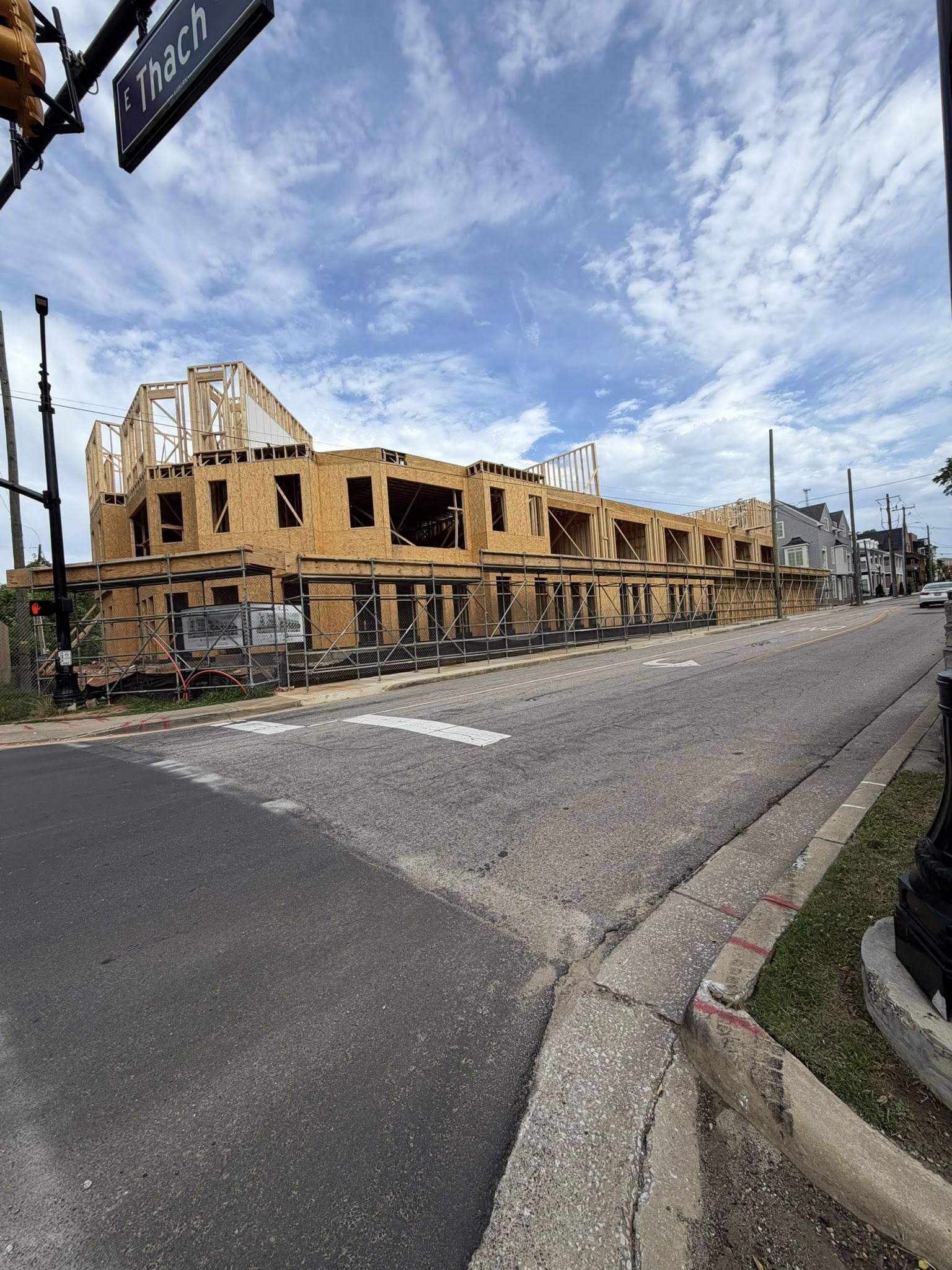
New construction can appeal to buyers who want a modern home without taking on major renovations immediately after closing.
Depending on the property and community, possible features may include:
- Open living areas
- Updated kitchens and bathrooms
- New roofing and mechanical systems
- Current appliances
- Modern electrical features
- Energy-efficient windows
- New insulation
- Attached garages
- Home-office space
- Contemporary finishes
- Builder warranties
- Community amenities
Buyers relocating for Auburn University, East Alabama Health, manufacturing, education, or another local employer may prefer a new home because the purchasing process can begin before they arrive.
However, “new” does not automatically mean perfect, maintenance-free, or fairly priced.
Every property, contract, builder, and community should be evaluated individually.
Builder Quality Matters More Than the Model Home
A professionally decorated model home is designed to create an emotional response.
The lighting looks good. The furniture fits the rooms. The finishes may include upgrades. The landscaping is complete. Everything is intended to help buyers imagine living there.
Enjoy the model home—but investigate what you will actually receive.
Questions About the Builder
Before committing, ask:
- Is the builder properly licensed?
- How long has the builder operated locally?
- What homes has the builder completed nearby?
- What warranty is provided?
- Who handles warranty requests?
- What is the expected response time?
- Are subcontractors consistent across projects?
- What inspections occur during construction?
- Can the buyer hire an independent inspector?
- What happens when construction defects are identified?
- Have buyers reported recurring concerns?
A builder’s reputation matters, but do not rely only on online ratings. Review the contract, warranty, specifications, and actual property carefully.
The Advertised Price May Not Be the Final Price
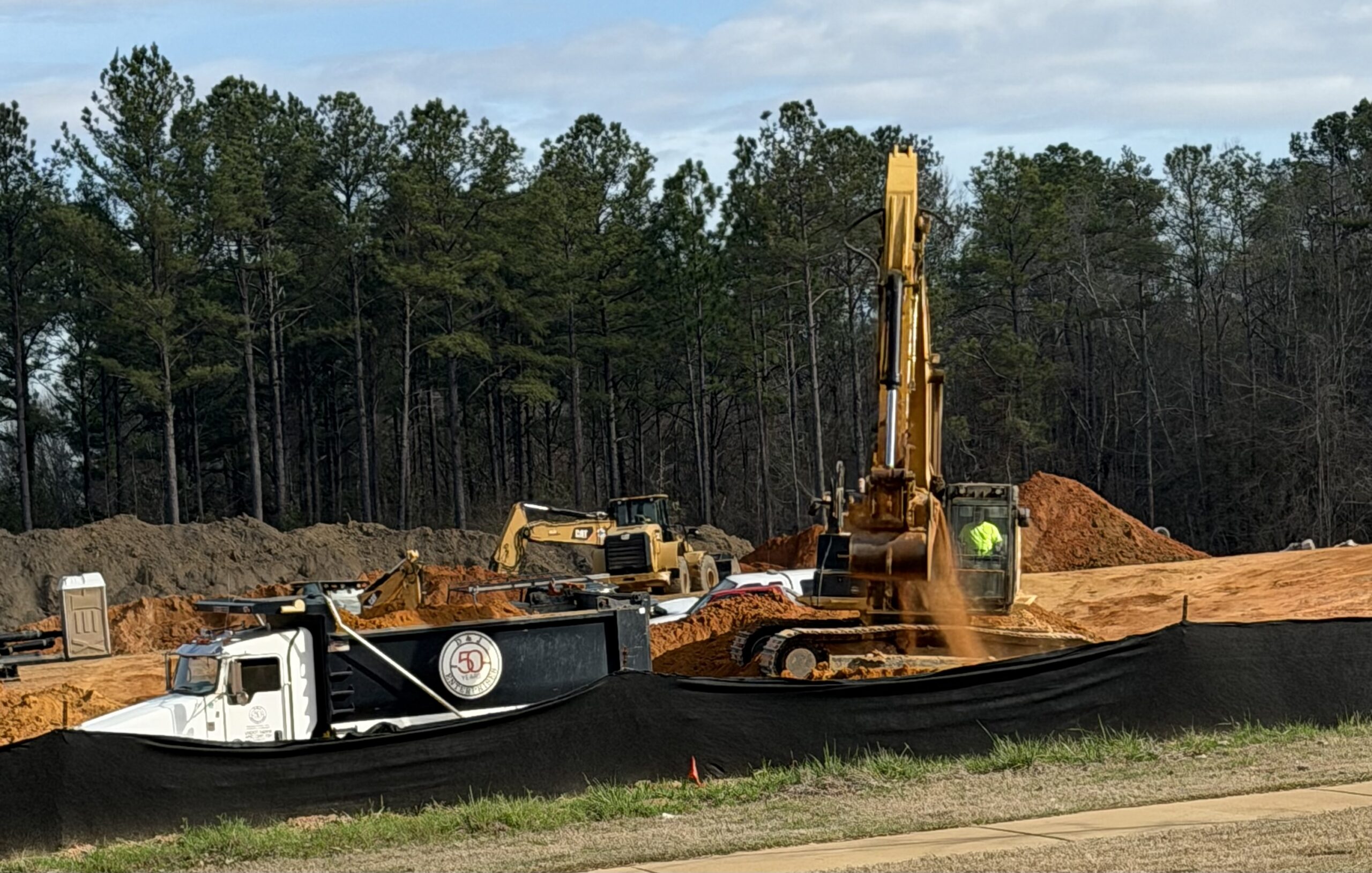
The starting price may represent the basic home with standard features. The model may display finishes and structural options that cost considerably more.
Potential additions may include:
- Lot premiums
- Upgraded flooring
- Premium countertops
- Additional cabinets
- Appliance packages
- Lighting upgrades
- Covered patios
- Fences
- Irrigation systems
- Extra garage space
- Additional electrical outlets
- Window treatments
- Landscaping upgrades
- Structural changes
- Closing costs
- Homeowners association initiation fees
Ask for a written list showing:
- Standard features
- Included appliances
- Selected upgrades
- Structural options
- Lot premiums
- Design-center costs
- Estimated closing expenses
- Items the buyer must provide after closing
Model Home Versus Delivered Home
| Feature | Model Home | Base or Spec Home |
|---|---|---|
| Flooring | May include premium materials | May include standard selections |
| Countertops | Often upgraded | Depends on the builder package |
| Lighting | Decorative fixtures may be displayed | Standard fixtures may differ |
| Landscaping | Usually fully developed | May be more limited |
| Window treatments | Often installed for presentation | May not be included |
| Outdoor areas | Patios and features may be upgraded | Verify the actual contract |
| Furniture and décor | Used to demonstrate the space | Not normally included |
| Final price | May reflect numerous options | Starts with the contracted base and selections |
Never assume a feature is included simply because you saw it in the model.
Builder Contracts Are Different
Builder contracts are often written by or for the builder. They may differ significantly from the standard resale forms buyers expect.
Important provisions may address:
- Builder deposits
- Refundability
- Construction deadlines
- Permitted delays
- Material substitutions
- Price adjustments
- Change orders
- Financing deadlines
- Appraisal issues
- Inspection access
- Default remedies
- Closing dates
- Warranty coverage
- Dispute resolution
- Homeowners association obligations
A builder deposit may be larger or less refundable than the earnest money used in some resale transactions.
The Consumer Financial Protection Bureau advises buyers considering an unbuilt home to ask when a builder deposit can be returned. Its new-construction homebuyer guidance also explains that buyers are not required to use a builder’s associated lender and have the right to shop for financing.
A real estate agent can help identify questions and explain the transaction process, but buyers should consult a qualified Alabama attorney for legal advice about contract language.
Builder Incentives Require Careful Comparison
A builder may advertise:
- Closing-cost assistance
- Interest-rate incentives
- Appliance packages
- Design upgrades
- Price reductions
- Temporary rate buydowns
- Permanent rate buydowns
These incentives may be tied to the builder’s preferred lender or closing provider.
An incentive can be valuable, but buyers should compare the entire financial package—not merely the promotional amount.
Compare:
- Interest rate
- Annual percentage rate
- Origination charges
- Discount points
- Mortgage insurance
- Estimated closing costs
- Cash required at closing
- Monthly payment
- Rate-lock terms
- Loan program
- Incentive restrictions
The Consumer Financial Protection Bureau’s Loan Estimate guide can help buyers understand and compare mortgage offers.
A large credit does not automatically make one loan the least expensive choice over time.
Why Independent Inspections Still Matter
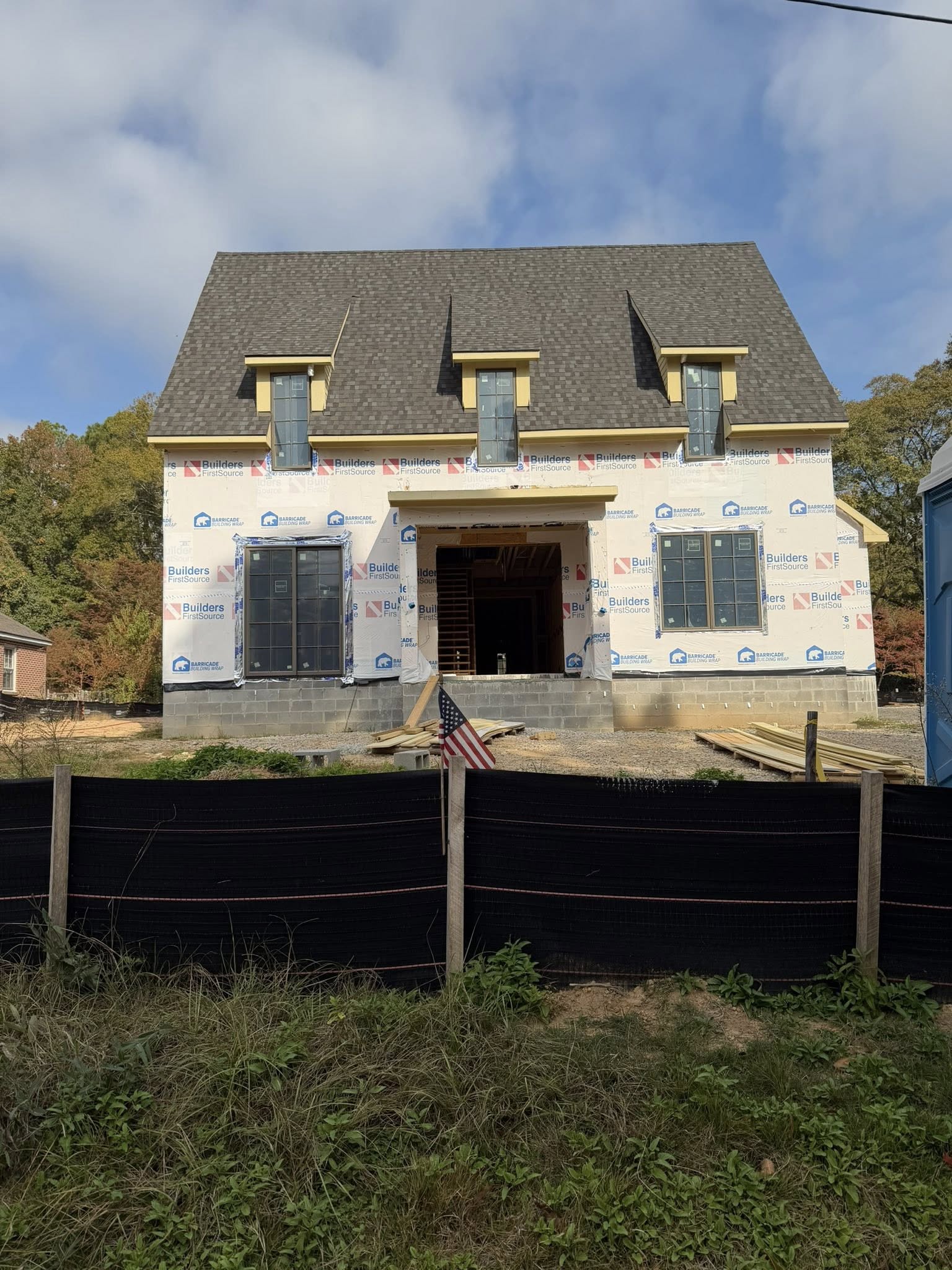
A newly built home can still have construction defects, missing items, or incomplete work.
An independent home inspector works for the buyer—not the builder.
Depending on the construction stage and contract, buyers may consider:
- A pre-drywall inspection
- A final inspection before closing
- A reinspection of completed repairs
- An inspection before the builder warranty expires
Possible concerns can involve:
- Roofing
- Flashing
- Drainage and grading
- Plumbing
- Electrical work
- Heating and cooling
- Insulation
- Windows and doors
- Flooring
- Appliances
- Exterior finishes
- Safety equipment
- Incomplete construction items
A municipal inspection and an independent buyer inspection serve different purposes. Buyers should not assume that one replaces the other.
The contract may control when inspections are permitted, so discuss inspection access before signing.
Selections, Upgrades, and Change Orders
Building from the ground up may give buyers the opportunity to select finishes. It also creates more decisions and opportunities for the budget to grow.
Before choosing an upgrade, ask:
- Is this improvement structural or cosmetic?
- Would it be difficult to add later?
- Does it support daily life?
- Is the cost reasonable?
- Does it affect the construction schedule?
- Must it be paid for before closing?
- Is the payment refundable?
- Will the appraiser give it equal value?
- Does the change require a signed written order?
Prioritize structural and functional choices first.
Extra outlets, storage, lighting locations, door placement, and covered outdoor areas may be harder to change later than paint colors or cabinet hardware.
Keep copies of every selection sheet, change order, receipt, email, and revised price.
Construction Timelines Can Change
Builders usually provide an estimated completion period, but weather, labor availability, permits, inspections, supply chains, and material substitutions can affect the schedule.
A projected completion date is not always a guaranteed closing date.
Relocation buyers should avoid making inflexible plans too early.
Consider:
- Temporary housing
- Moving-company flexibility
- Storage
- Lease expiration
- Interest-rate lock periods
- Travel for walkthroughs
- School or employment start dates
- Utility activation
- Backup plans for delays
Do not schedule movers or surrender your current housing solely based on an informal estimate.
Read the contract to understand how the builder addresses delays and closing notices.
Final Walkthrough Versus Home Inspection
The final walkthrough is not a substitute for an inspection.
During the walkthrough, buyers typically confirm that:
- Agreed work is complete
- Selected finishes are present
- Appliances are installed
- Utilities are operating
- The property has not been damaged
- The home is reasonably clean
- Identified items have been addressed
- Keys, remotes, and manuals are available
Create a written list of incomplete or defective items. Take photographs and understand how unfinished items will be handled.
Do not rely only on verbal promises.
Location Still Matters With New Construction
A beautiful new home should also provide a practical location.
Consider the commute to:
- Auburn University
- East Alabama Health
- Downtown Opelika
- Downtown Auburn
- Shopping and restaurants
- Medical providers
- Parks and recreation
- Major roads
Opelika Tiger Town provides shopping and dining convenient to many newer Opelika communities.
Buyers relocating to Auburn University should test the complete route to their department and assigned parking area. They may also want to compare new Opelika properties with existing homes in Auburn subdivisions.
Those researching public schools should verify current attendance zones, enrollment procedures, and policies directly with Opelika City Schools or Auburn City Schools.
A Realistic New-Construction Example
Imagine relocating buyers who tour a model home and love its flooring, countertops, lighting, covered patio, and landscaping.
They initially assume everything is included in the advertised price.
After reviewing the written features and upgrade list, they discover that several model-home finishes cost extra. Instead of exceeding their budget, they select the improvements that would be difficult to add later and keep standard finishes in other areas.
Their agent also helps them compare lender incentives, arrange an independent inspection, and document incomplete items before closing.
New construction can be exciting, but enthusiasm should not replace due diligence.
Questions to Ask Before Signing
- What exactly is included in the price?
- Which model-home features are upgrades?
- Is there a lot premium?
- How much is the builder deposit?
- When is that deposit refundable?
- Can the builder substitute materials?
- What happens if construction is delayed?
- May I use my own lender?
- May I hire my own inspector?
- What warranty is provided?
- Who handles warranty requests?
- What are the homeowners association fees?
- Are future community phases planned?
- What happens if the appraisal is low?
- Who represents my interests?
Quick Q&A About Opelika New Construction Homes
Do I Need a REALTOR® When Buying From a Builder?
The builder’s sales representative represents the builder. Buyers may benefit from having their own real estate professional help them compare properties, understand the process, organize inspections, and monitor deadlines.
Does Buyer Representation Increase the Home’s Price?
Builder policies and compensation vary. Ask about representation before visiting or registering. Buyers should understand any representation agreement and compensation obligations before proceeding.
Can I Use My Own Lender?
Generally, buyers may shop for financing. However, builder incentives may be connected to a preferred lender. Compare the complete loan terms and costs.
Should I Inspect a Brand-New Home?
Yes. New homes can still have defects or incomplete work. Consider inspections appropriate to the construction stage and contract.
Can the Builder Change Materials?
The contract may permit certain substitutions. Review those provisions and ask how changes will be communicated.
Are Builder Deposits Refundable?
Refundability depends on the contract and circumstances. Review the written terms carefully and seek legal advice when needed.
Where Can I Find Opelika New Construction Homes?
Visit AuburnOpelikaALRealEstate.com and contact Laura Sellers for help comparing available Opelika and Auburn properties.
Related Auburn–Opelika Real Estate Topics
- Opelika homes for sale
- New construction versus resale homes
- Moving to Opelika, Alabama
- Auburn University relocation
- Opelika neighborhoods
- New-home inspection tips
- Builder incentives and upgrades
- Auburn versus Opelika
- First-time homebuyer guidance
Buy New Construction With Someone Looking Out for You
Laura Sellers is an Auburn University alumna who has lived in the Auburn–Opelika area since 1988 and has been a REALTOR® for over 20 years. She is an Associate Broker with Berkshire Hathaway HomeServices Preferred Real Estate, the Official Real Estate Partner of the Auburn Tigers.

Laura helps buyers compare new construction and resale homes, understand builder processes, evaluate upgrades, coordinate independent inspections, and monitor important transaction deadlines.
If you are buying new construction, contact Laura before visiting or registering with a builder so your opportunity for buyer representation can be protected.
Call or text Laura Sellers at 334-332-7263.
Visit AuburnOpelikaALRealEstate.com to begin your search.