
Moving to Opelika Alabama? Don’t Overlook the Lot

Moving to Opelika Alabama? Don’t become so focused on the house that you overlook something you may not be able to change nearly as easily:
The lot.
Buyers naturally notice the house first.
The kitchen.
The floor plan.
The primary bathroom.
The flooring.
The paint.
But I also want you to walk outside and look at the land the house sits on.
What’s the slope like?
What do you observe about drainage?
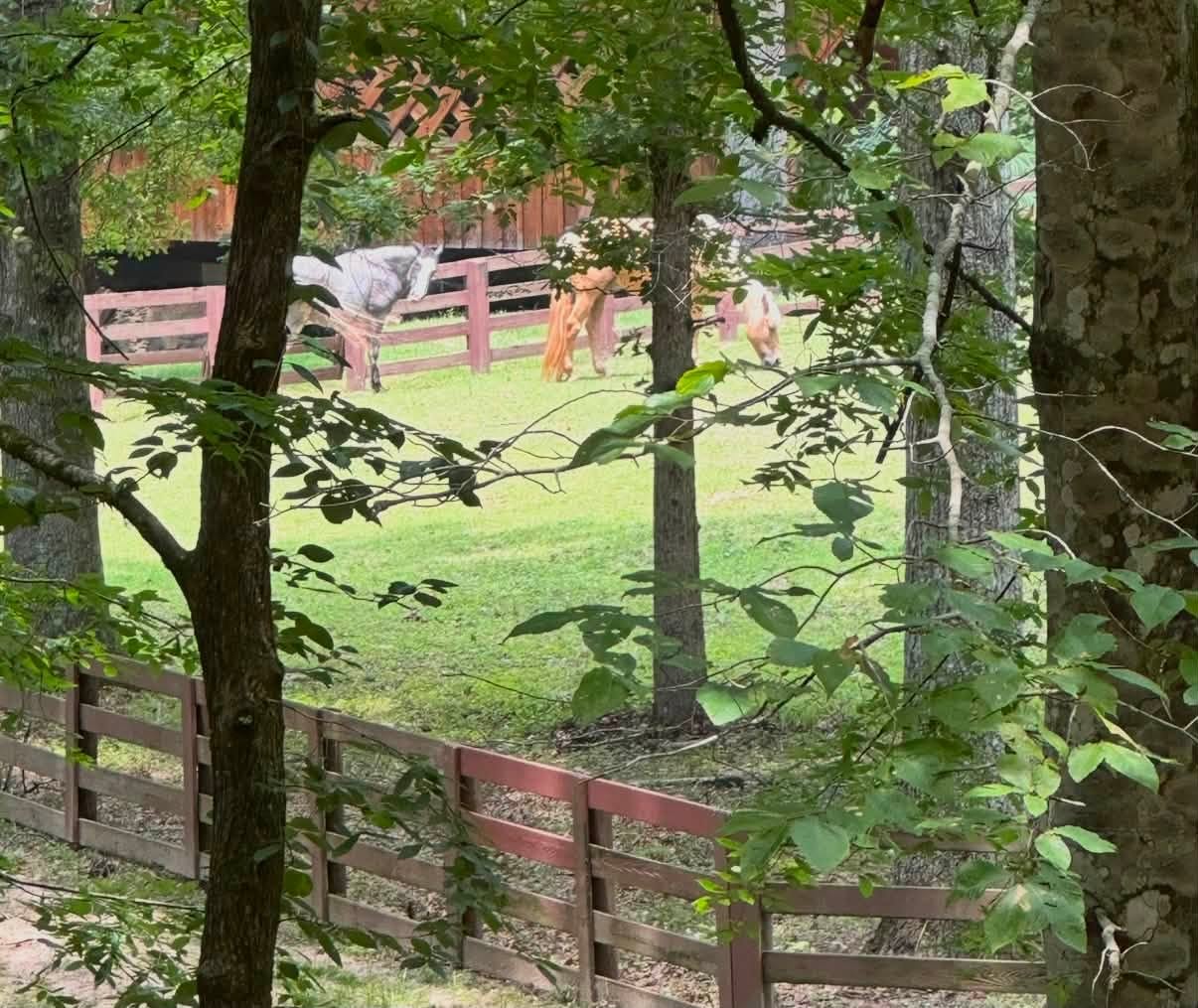
Where are the trees?
How much grass will you maintain?
How close are the neighboring homes?
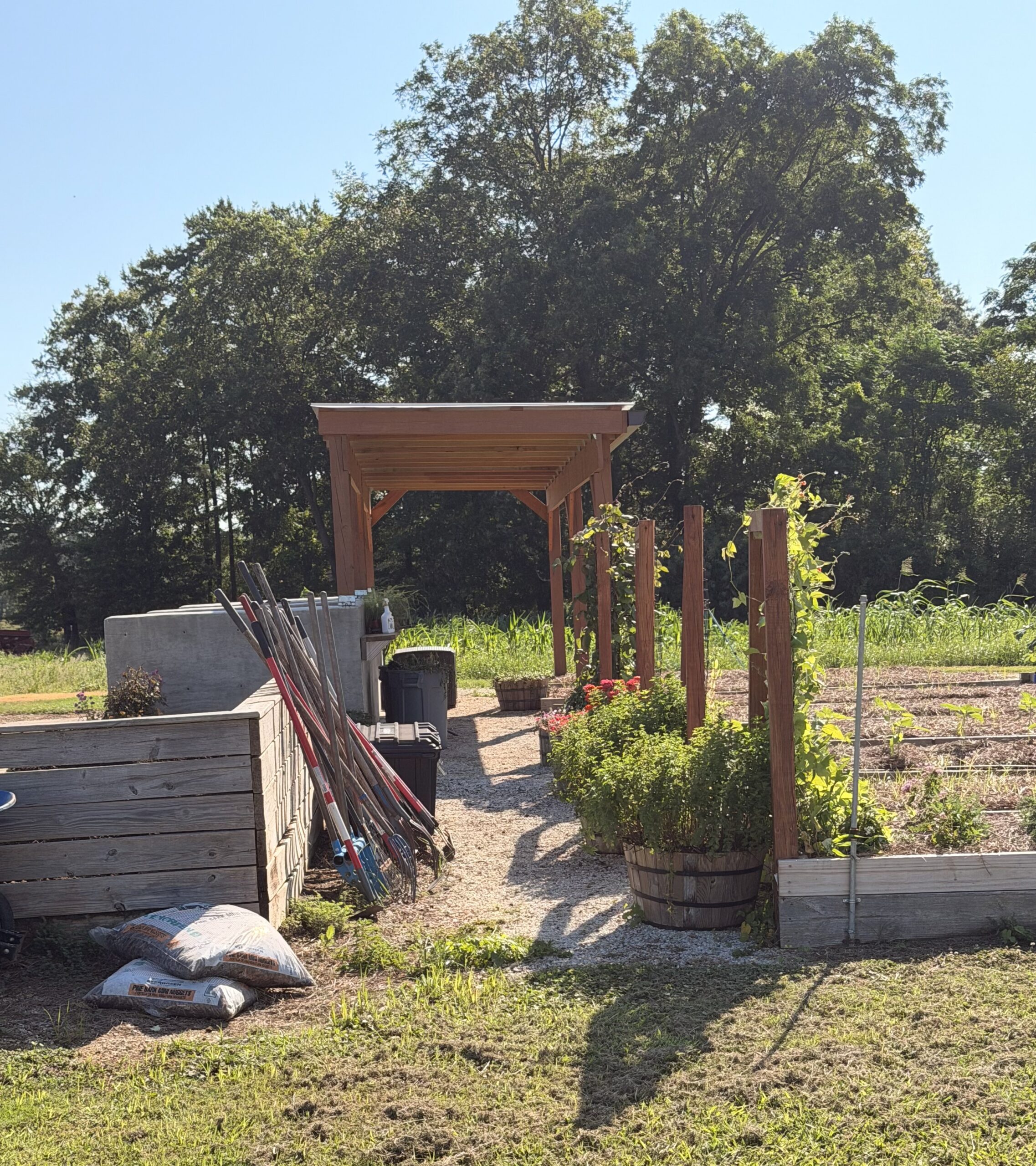
Do you want a fence, pool, workshop, garden, or outdoor living area someday?
You can renovate many parts of a house.
Changing the land around it can be much more complicated.
Make sure you’re buying a lot that works for you as well as a home you love.
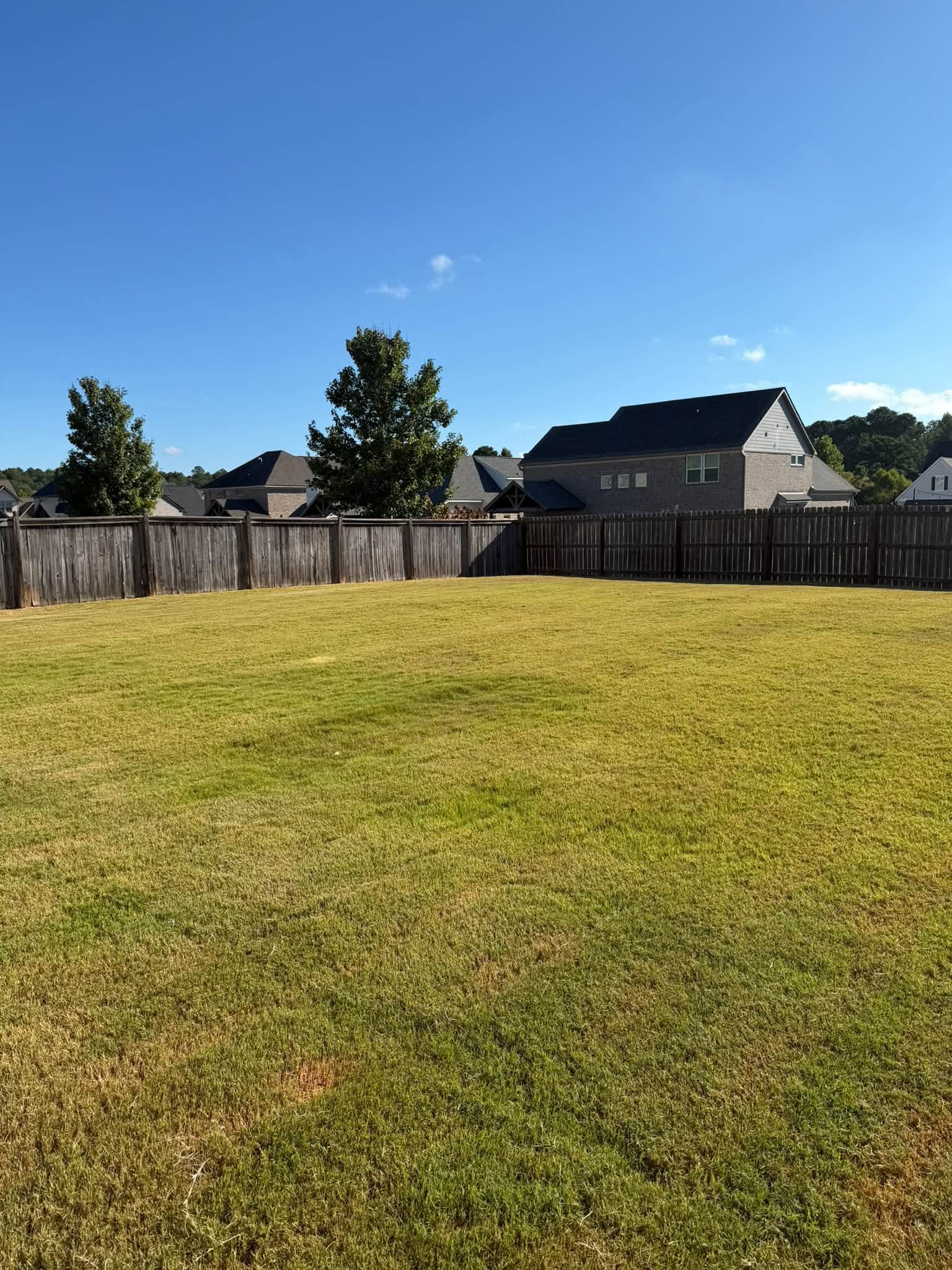
Table of Contents
• Moving to Opelika Alabama? Look Beyond the House
• Pay Attention to the Slope
• Drainage Deserves Attention
• Trees Can Be Beautiful—And Require Maintenance
• How Much Privacy Do You Want?
• How Much Yard Do You Really Want?
• Want a Fence? Investigate Before You Buy
• Thinking About a Pool or Workshop?
• A Large Lot Isn’t Automatically Better
• Look at the Neighboring Properties
• Think About Your Future Plans
• Quick Q&A
• Finding the Right Opelika Home and Lot
Moving to Opelika Alabama? Look Beyond the House
When you’re moving to Opelika Alabama, it’s easy to become emotionally attached to the house itself.
You walk inside and think:
I LOVE THIS KITCHEN.
Then you see the primary bedroom.
The closet is huge.
There’s a great home office.
The floor plan works.
You’re already mentally arranging the furniture. 😂
Before you decide you’ve found the one, go back outside.
Look at the lot.
A house can often be updated.
Cabinets can be painted.
Flooring can be replaced.
Bathrooms can be renovated.
But changing the size, shape, slope, or fundamental characteristics of the land may be difficult—or impossible.
Pay Attention to the Slope
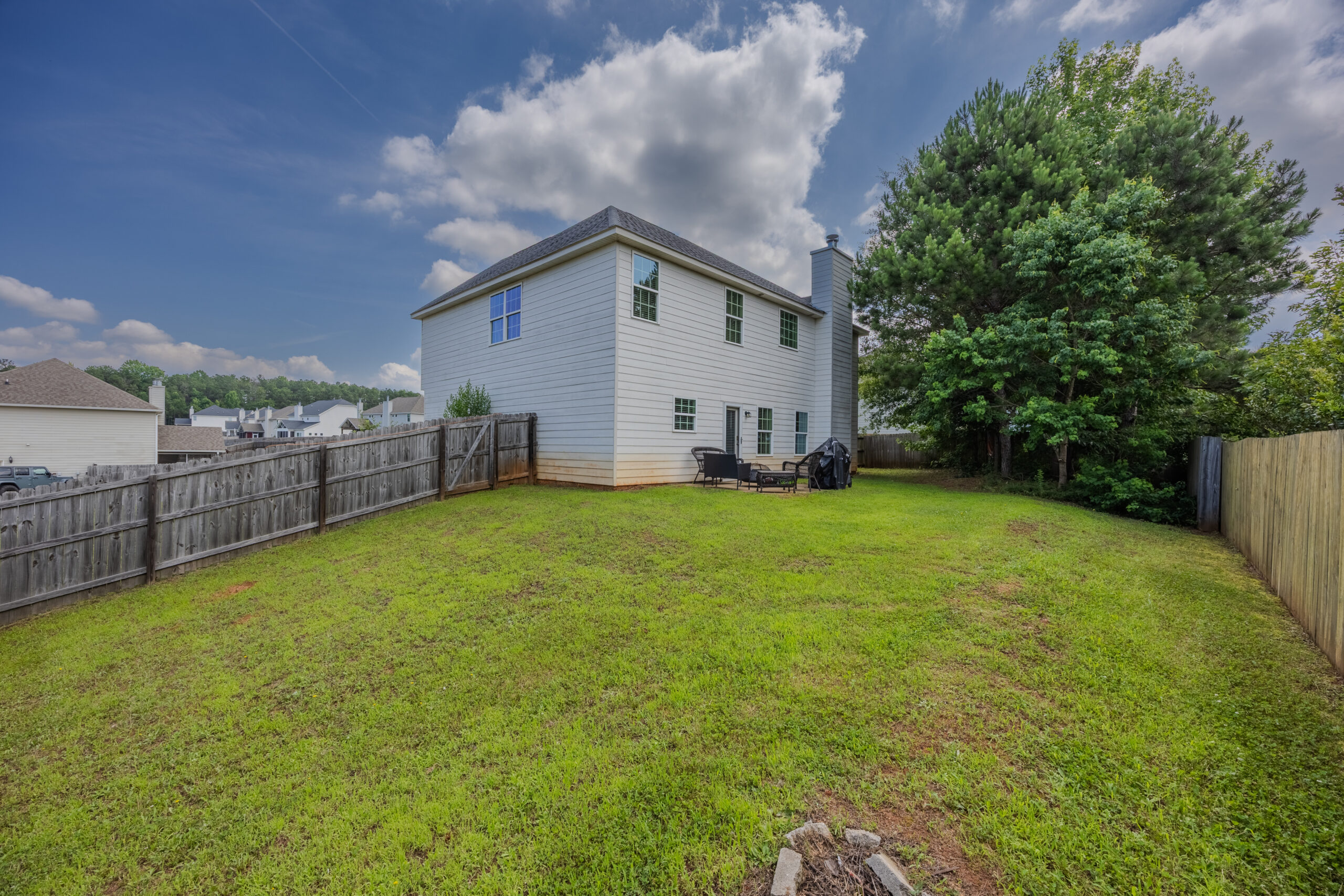
A sloped lot isn’t automatically good or bad.
What matters is understanding what you’re buying.
Walk around the property.
Don’t evaluate the yard only from the patio.
Look at how the land sits in relation to the house.
Look at neighboring properties.
Think about how you intend to use the outdoor space.
If you’re imagining children playing in the yard, gardening, entertaining, installing a fence, or adding something later, the shape and slope of the property may matter to you.
And if you have concerns about grading, drainage, retaining walls, or other technical conditions, get appropriate professional advice rather than guessing.
Drainage Deserves Attention
Drainage isn’t the most exciting part of buying a house.
I’d still rather you think about it before you buy than discover something you don’t like afterward.
Look around.
Do you see areas where water appears to collect?
How does the land slope?
Where do downspouts discharge?
Are there drainage features on the property?
Do you see erosion or other conditions you want investigated?
A REALTOR® isn’t an engineer, drainage specialist, or home inspector.
If something raises a concern, that’s when we bring in the appropriate professional.
The important thing is:
Don’t ignore what you see.
Trees Can Be Beautiful—And Require Maintenance
Mature trees can be one of the prettiest features of a property.
Shade can be wonderful during an Alabama summer.
But trees are also part of your maintenance responsibility.
Think about:
• Leaves
• Limbs
• Proximity to the house
• Proximity to fences or other improvements
• Routine tree care
• How much shade you actually want
• How trees may affect your plans for the yard
One buyer may see a wooded lot and think:
PERFECT.
Another may see all those trees and think:
That’s a lot of leaves. 😂
Neither buyer is wrong.

How Much Privacy Do You Want?
“Privacy” can mean different things to different buyers, so look at the actual property rather than relying on a description.
Where are the neighboring homes?
Where are their windows?
Where are their outdoor areas?
How is your backyard positioned?
Would landscaping change how the space feels?
Are you comfortable with the existing relationship between the homes?
You need to decide whether the lot configuration works for your preferences.

How Much Yard Do You Really Want?
Acreage and large lots sound wonderful.
Until Saturday morning arrives and somebody has to maintain all that grass. 😂
Before you automatically say:
“I want the biggest lot possible,”
think about what you really want from it.
Do you want room for a dog?
A garden?
Outdoor entertaining?
Children’s activities?
More separation between homes?
Or do you simply like the idea of having a large yard?
More land can mean more:
• Mowing
• Landscaping
• Leaves
• Irrigation considerations
• Tree maintenance
• Fencing
• Time
• Expense
Sometimes the right lot isn’t the biggest one.
It’s the one that gives you the space you want without more maintenance than you want.
Want a Fence? Investigate Before You Buy
This is especially important if fencing is part of your plan.
Don’t assume:
“We’ll just put up a fence after closing.”
There may be HOA requirements, recorded covenants, easements, setbacks, utility considerations, permitting requirements, or other restrictions that affect what you can do.
If a fence is important, investigate the applicable requirements before you rely on being able to install one.
And if the property is in an HOA community, review the current governing documents and architectural requirements.

Thinking About a Pool, Workshop, or Outdoor Living Area?
Maybe your plans are bigger than a fence.
Perhaps you’re dreaming about:
A pool.
A workshop.
A detached structure.
A large patio.
An outdoor kitchen.
A garden.
Expanded parking.
A play area.
Before buying a home because you believe you’ll add something later, investigate whether your plans are feasible.
Lot size alone doesn’t answer that question.
You may also need to consider property lines, setbacks, easements, drainage, HOA restrictions, local requirements, utilities, slope, and other site-specific factors.
If a future improvement is a major reason you’re buying the property, do your homework before closing.

A Large Lot Isn’t Automatically Better
This is something I think buyers sometimes forget.
More isn’t automatically better.
A larger lot may give you additional space.
But it may also require more work and expense.
Meanwhile, a smaller lot might provide exactly enough outdoor space for the way you live without consuming your weekends with maintenance.
This is why I don’t want to decide for you that:
“You need a big lot.”
I want to know:
What do you want to DO with the lot?
That’s a much better question.
Look at the Neighboring Properties
Don’t evaluate only the house you’re buying.
Look around.
Where are the neighboring homes located in relation to yours?
How close are they?
How are the yards positioned?
What’s behind the property?
What’s beside it?
What’s across the street?
Are there vacant parcels or current construction nearby that you’d like to learn more about?
You can’t control what happens on property you don’t own.
But you can pay attention to your surroundings and research matters that are important to your decision.
Think About Your Future Plans
Maybe you don’t need a fence today.
But could you want one later?
Maybe you don’t want a pool now.
Could that change?
Maybe you have one dog now and could have two someday.
Maybe gardening becomes important after retirement.
Maybe you’d like a workshop.
Maybe you’re downsizing and specifically don’t want a yard that consumes your weekends.
Think beyond closing day.
How do you expect to use this property three, five, or ten years from now?
Nobody can predict everything.
But thinking ahead may help you avoid buying a property that conflicts with plans you already know you have.
Opelika and Auburn Can Offer Different Property Choices
If you’re relocating to the area, you don’t necessarily need to decide between Opelika and Auburn before we start looking.
Depending on current inventory, budget, commute, home style, and lot preferences, it may make sense to compare both.
Maybe you prioritize access to Auburn University (https://www.auburn.edu/).
Maybe Auburn football and access to Jordan-Hare Stadium (https://auburntigers.com/jordan-hare-stadium) matter to you.
Maybe you’re more focused on the individual home and lot than proximity to campus.
That’s why relocation is about understanding your priorities.
You can explore Auburn residential options through:
Auburn Subdivisions (https://auburnopelikaalrealestate.com/auburn-al-subdivisons/)
For official public-school information:
Opelika City Schools (https://www.opelikaschools.org/)
For shopping and local destinations:
Tiger Town (https://www.opelika-al.gov/397/Tiger-Town)
And you’ll find more Auburn–Opelika real estate and relocation information at:
AuburnOpelikaALRealEstate.com
A Realistic Opelika Buyer Example
Imagine you’re relocating to Opelika and tell me:
“We want a huge backyard.”
Okay.
Then we talk more.
You don’t enjoy yard work.
You want to install a fence.
You’d eventually like an outdoor entertaining area.
You want some trees—but not so many that you’re constantly dealing with leaves.
And you don’t actually need an enormous amount of grass.
Now we’ve learned something important.
You may not need the largest lot.
You need the right lot.
That’s exactly why these conversations matter.
Quick Q&A About Buying an Opelika Home and Lot
What should I look at when evaluating a lot?
Consider the lot’s size, shape, slope, observed drainage conditions, trees, neighboring properties, outdoor space, maintenance requirements, and how you plan to use the property.
Is a larger lot always better?
No. A larger lot can provide more space, but it can also require additional mowing, landscaping, fencing, tree care, time, and expense.
Can I add a fence after I buy?
Possibly, but don’t assume. Investigate applicable HOA rules, covenants, easements, setbacks, permits, and other requirements before relying on future fencing.
Can I put a pool or workshop in the backyard?
That depends on the individual property and applicable requirements. If a future improvement is important to your purchase, investigate its feasibility before buying.
Should I worry about a sloped lot?
A slope isn’t automatically a problem, but buyers should consider how it affects their intended use of the property and obtain professional evaluation if they have technical concerns.
Who should evaluate drainage concerns?
If you have concerns about drainage, grading, erosion, or other site conditions, consult an appropriately qualified professional rather than relying solely on a visual assessment.
Should I consider Auburn too?
Depending on your budget, commute, preferred home and lot, and current inventory, comparing Auburn and Opelika may help you understand your options.
Moving to Opelika Alabama? Buy the Lot Too
If you’re moving to Opelika Alabama, don’t fall so deeply in love with the house that you forget you’re buying the land underneath and around it too.
Look beyond the granite countertops.
Walk outside.
Look at the slope.
Look at the trees.
Look at neighboring homes.
Think about drainage.
Think about maintenance.
Think about the fence you want.
Think about that pool or workshop you’ve been dreaming about.
You can renovate many things inside a house.
The lot is a different story.
Make sure you’re buying a home and a piece of property that work for the way you want to live.
Laura Sellers is an Auburn University alumna who has lived in the Auburn–Opelika area since 1988 and has been a REALTOR® for over 20 years. She is an Associate Broker with Berkshire Hathaway HomeServices Preferred Real Estate, the Official Real Estate Partner of the Auburn Tigers.

If you’re relocating to Auburn or Opelika, contact me before you start touring homes or clicking contact-agent buttons online.
Let’s talk about the house.
And let’s make sure we don’t ignore the lot.
Laura Sellers, Associate Broker
Berkshire Hathaway HomeServices Preferred Real Estate
Call or text: 334-332-7263
AuburnOpelikaALRealEstate.com
Homes, y’all!