
Moving to Auburn: The Overlooked Cost of Homeownership

Moving to Auburn involves more than budgeting for a mortgage payment, property taxes, homeowners insurance, and closing costs. One of the most frequently overlooked costs of homeownership is ongoing maintenance.
Lawn care, heating and cooling service, pressure washing, landscaping, pest control, minor plumbing repairs, and dozens of smaller expenses may not seem overwhelming individually. Together, however, they can affect your monthly and annual budget.
Before purchasing a home in Auburn or Opelika, look beyond the sales price and estimate what it will realistically cost to maintain the entire property.
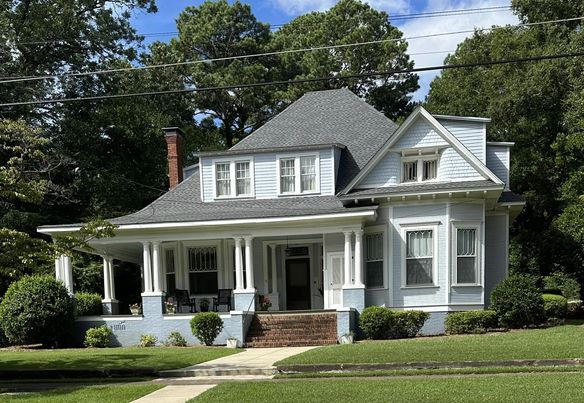
Table of Contents
- The Most Overlooked Homeownership Cost
- Common Auburn Home Maintenance Expenses
- One-Time vs. Recurring Costs
- How Property Type Affects Maintenance
- New Construction Still Requires Maintenance
- Questions to Ask Before Buying
- Building a Home Maintenance Plan
- A Realistic Buyer Scenario
- Quick Q&A
- Related Auburn Real Estate Topics
- About Laura Sellers
Moving to Auburn? Plan for Maintenance
Everybody plans for the mortgage payment. Fewer buyers create a realistic plan for maintaining the home after closing.
Maintenance expenses may include:
- Lawn mowing
- Landscaping
- Heating and cooling servicing
- Air-filter replacement
- Pressure washing
- Gutter cleaning
- Pest control
- Termite protection
- Plumbing repairs
- Electrical repairs
- Appliance maintenance
- Exterior painting
- Roof repairs
- Drainage work
- Tree trimming
- Irrigation maintenance
- Caulking and sealing
- Minor interior repairs
None of these expenses may seem enormous by itself. The problem occurs when several arrive during the same month—or immediately after a buyer has used most of their available cash for a down payment, closing expenses, moving, and furniture.
Recurring vs. Unexpected Home Expenses
Homeownership expenses generally fall into three categories.
Regular Recurring Expenses
These may occur monthly, quarterly, seasonally, or annually:
- Lawn care
- Pest control
- Termite contracts
- HVAC maintenance
- Pool service
- Irrigation service
- Gutter cleaning
- Pressure washing
- HOA dues
Predictable Long-Term Replacements
These items eventually wear out:
- Roof
- Heating and cooling equipment
- Water heater
- Appliances
- Exterior paint
- Flooring
- Windows
- Decking
- Fencing
You may not know the exact replacement date, but you can investigate the current age and condition.
Unexpected Repairs
These can appear with little warning:
- Plumbing leaks
- Electrical failures
- Storm damage
- Appliance breakdowns
- Drainage problems
- Fallen limbs
- Garage-door repairs
- Broken irrigation lines
A home maintenance reserve helps keep an inconvenience from becoming a financial crisis.
Common Auburn Property Expenses
Auburn’s climate and landscaping can create property-care needs that relocation buyers may not have considered.
Those may include:
- Frequent grass growth during warmer months
- Leaf and gutter cleanup
- Heating and cooling use during hot, humid weather
- Moisture and drainage management
- Pressure washing exterior surfaces
- Pest and termite protection
- Tree and limb maintenance
- Exterior caulking and paint care
- Irrigation during dry periods
The actual expense depends on the property. A small condominium will have different needs from a single-family home with a large yard, mature trees, multiple HVAC systems, and extensive landscaping.
Ask for property-specific estimates instead of relying on a national average.
How Property Type Affects Maintenance
| Property Type | Possible Personal Responsibilities | Expenses That May Be Shared |
|---|---|---|
| Single-family home | Structure, roof, yard, systems and exterior | Neighborhood common areas through HOA |
| Townhome | Interior, systems and possibly exterior or roof | Responsibilities depend on documents |
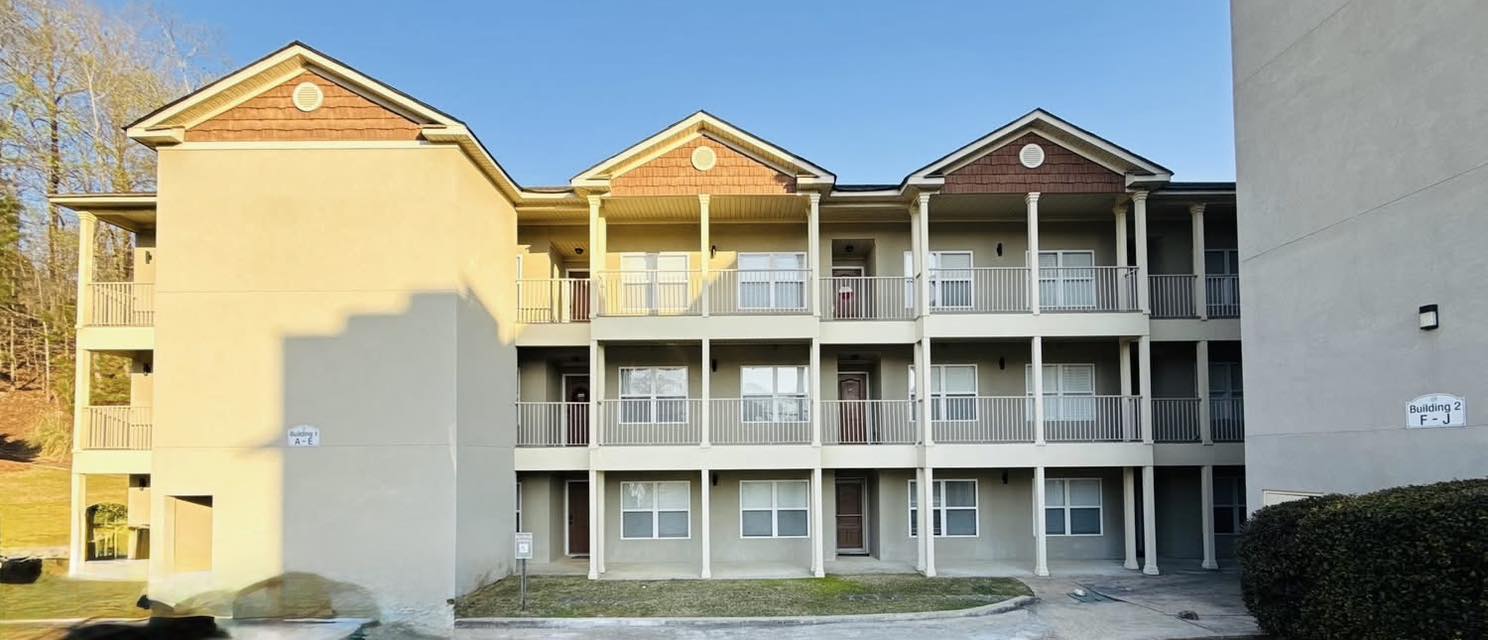
| Condominium | Interior and individually owned components | Building exterior and common areas may be shared |
| New construction | New systems, landscaping, filters and warranty follow-up | Community amenities may be covered by HOA |
| Older home | Systems, structure, exterior and previous improvements | Depends on property and association |
| Large-lot property | Home, yard, drainage, trees and possibly septic | Usually fewer shared services |
Never assume an association maintains something simply because the property is a condominium or townhome. Review the declaration, covenants, budget, insurance information, and maintenance responsibilities.
The Yard Can Be a Significant Expense
A beautiful yard may increase your enjoyment of a home, but it also requires time or money.
Consider:
- Mowing
- Edging
- Weed control
- Fertilizing
- Mulching
- Pruning
- Leaf removal
- Irrigation
- Tree maintenance
- Drainage
- Replacing plants
Ask yourself whether you want to perform that work personally or hire someone.
A buyer who loves a large landscaped yard during a showing may feel differently after several months of mowing, trimming, watering, and paying for seasonal maintenance.
Heating and Cooling Maintenance
Auburn summers can place substantial demands on heating and cooling equipment.
Before purchasing, investigate:
- Number of HVAC systems
- Equipment age
- Service history
- Filter sizes
- Thermostat locations
- Ductwork condition
- Current warranties
- Approximate replacement expectations
Routine servicing does not guarantee that equipment will never fail, but it can help identify developing problems and support efficient operation.
A larger two-story home with multiple systems may cost more to maintain than a smaller one-level property.
New Construction Is Not Maintenance-Free
Brand-new homes still need attention.
New-construction owners may need to:
- Replace air filters regularly
- Maintain new landscaping
- Monitor drainage
- Submit warranty requests
- Seal or maintain exterior materials
- Service heating and cooling equipment
- Control pests
- Clean gutters
- Pressure-wash surfaces
- Maintain fences and irrigation
- Correct settlement-related caulking or cosmetic issues
New construction may reduce certain immediate replacement concerns, but it does not eliminate the cost of caring for the property.
Buyers should also budget for items that may not be included, such as blinds, fencing, additional landscaping, ceiling fans, garage storage, or appliances.
Older Homes Require Investigation, Not Panic
An older home is not automatically a money pit.
Some established Auburn homes have been carefully maintained and updated. Others may have delayed maintenance or major systems approaching replacement.
Review:
- Roof age
- HVAC age
- Water-heater age
- Plumbing and electrical information
- Window condition
- Exterior materials
- Drainage
- Foundation or crawlspace
- Appliance ages
- Renovation history
- Maintenance records
A professional home inspection can help identify visible concerns. Additional evaluations from qualified specialists may be appropriate for particular systems or conditions.
No inspection can guarantee that nothing will break after closing. Its purpose is to provide more information for the buyer’s decision.
Location Can Change Your Maintenance Needs
Buyers can explore Auburn subdivisions (https://auburnopelikaalrealestate.com/auburn-al-subdivisons/) while comparing lot sizes, home ages, HOA services, landscaping, and property types.
A condominium closer to Auburn University (https://www.auburn.edu/) may involve less personal yard maintenance but higher association dues. A single-family home farther from campus may provide additional outdoor space but require more lawn and exterior care.
Game-day properties near Jordan-Hare Stadium (https://auburntigers.com/jordan-hare-stadium) may have different parking, association, exterior-maintenance, and property-use considerations.
Also think about access to everyday destinations, including work, parks, medical care, and shopping at Auburn Mall (https://www.shopauburnalabama.com/).
Buyers researching public schools should verify current attendance zones and enrollment information directly through Auburn City Schools (https://www.auburnschools.org/).
Questions to Ask Before Buying
Use this checklist during your home search:
- How old is the roof?
- How many HVAC systems does the home have?
- What are the system ages?
- How much yard work will be required?
- Are there mature trees near the home?
- Does the property have irrigation?
- Are drainage concerns visible?
- What exterior materials require maintenance?
- Which appliances remain?
- What does the HOA maintain?
- Are special assessments pending?
- What repairs may be needed soon?
- How much money will remain after closing?
- Can I comfortably maintain this property?
- Which tasks will I perform, and which will I hire out?
The largest home you can qualify to purchase may not be the home you want to maintain.
Building a Practical Maintenance Plan
Before closing, create three lists.
Immediate Projects
These are items that should be addressed soon after moving:
- Safety concerns
- Active leaks
- Electrical issues
- Drainage problems
- Failed appliances
- Damaged exterior materials
Routine Maintenance
Create a calendar for:
- HVAC servicing
- Filter replacement
- Pest control
- Gutter cleaning
- Pressure washing
- Lawn and landscaping care
- Caulking inspections
- Roof and exterior checks
Long-Term Replacements
Track the approximate age and expected condition of:
- Roof
- HVAC systems
- Water heater
- Appliances
- Flooring
- Exterior paint
- Windows
Set aside money regularly instead of waiting for a major system to fail.
A Realistic Buyer Scenario
Imagine two Auburn homes with similar monthly mortgage payments.
The first is smaller, with a modest yard, one HVAC system, and fewer exterior features. The second is larger, with two HVAC systems, extensive landscaping, mature trees, irrigation, and a long driveway.
The larger home may appear to provide more value for the sales price. However, it may require more lawn care, higher utility use, additional pressure washing, tree maintenance, and eventual replacement of two HVAC systems.
The buyer should decide whether the extra space is worth the additional responsibility.
The mortgage payment is important—but it does not tell the whole story.
Quick Q&A
What is the most overlooked cost of homeownership?
Ongoing maintenance is frequently overlooked. Buyers often focus on the mortgage payment without budgeting for yard care, servicing, repairs, and long-term replacements.
How much should I budget for maintenance?
There is no single amount that fits every property. Home age, size, condition, systems, landscaping, climate, and personal expectations all matter. Create a property-specific estimate.
Does an HOA eliminate maintenance expenses?
No. An HOA may maintain certain common areas or exterior components, but owners still have personal responsibilities. Review the governing documents carefully.
Is new construction cheaper to maintain?
It may have fewer immediate replacement needs, but landscaping, servicing, filters, pest control, exterior care, and warranty follow-up still require time and money.
Should I ask the seller for maintenance records?
Yes, when available. Records may provide helpful information about HVAC servicing, roof work, pest contracts, appliances, and other improvements.
Will a home inspection predict every future repair?
No. An inspection reports visible conditions at a particular time. It cannot guarantee future performance or identify every concealed problem.
Can sellers provide utility and lawn-care expenses?
They may be able to provide recent information, but their usage and service arrangements may differ from yours.
How can a local REALTOR® help?
A local REALTOR® can help you compare home ages, conditions, lot sizes, HOA responsibilities, inspection findings, and maintenance considerations while directing you to qualified professionals for estimates.
Related Auburn–Opelika Real Estate Topics
Continue planning your move:
- Auburn University Relocation Guide (https://auburnopelikaalrealestate.com/auburn-university-relocation-guide/)
- Relocation to Auburn and Opelika (https://auburnopelikaalrealestate.com/relocation/)
- Auburn Subdivisions (https://auburnopelikaalrealestate.com/auburn-al-subdivisons/)
- Opelika Subdivisions (https://auburnopelikaalrealestate.com/opelika-al-subdivisions/)
- Client Reviews (https://auburnopelikaalrealestate.com/contact/about-laura-sellers-auburn-realtor/real-estate-client-reviews-auburn-opelika/)
- AuburnOpelikaALRealEstate.com
Planning a Move to Auburn or Opelika?
Laura Sellers is an Auburn University alumna who has lived in the Auburn–Opelika area since 1988 and has been a REALTOR® for over 20 years. She is an Associate Broker with Berkshire Hathaway HomeServices Preferred Real Estate, the Official Real Estate Partner of the Auburn Tigers.

When helping buyers, I encourage them to think beyond the purchase price. The right home should fit both your lifestyle and the amount of maintenance you can comfortably manage.
If you are moving to Auburn or Opelika, call or text Laura Sellers at 334-332-7263 or visit AuburnOpelikaALRealEstate.com.
Planning ahead can make homeownership much more enjoyable.
Homes, y’all!