

Sell my Opelika home—that may sound straightforward until your home is unlike almost everything around it.
Maybe it sits on acreage.
Maybe the architecture is distinctive.
Maybe you completed extensive renovations.
Perhaps it has an unusual location, additional structures, exceptional outdoor spaces or a combination of features that makes finding truly comparable sales difficult.
That does not mean the home cannot be priced intelligently.
It means we may have to do more homework.
An automated online estimate can be a useful data point, but a unique Opelika property may require a much closer look at the home itself, recent sales, competing properties, location, improvements and current buyer behavior.
The goal isn’t to find a magical number that guarantees a sale.
It’s to determine a listing strategy that makes sense in the current Opelika real estate market.
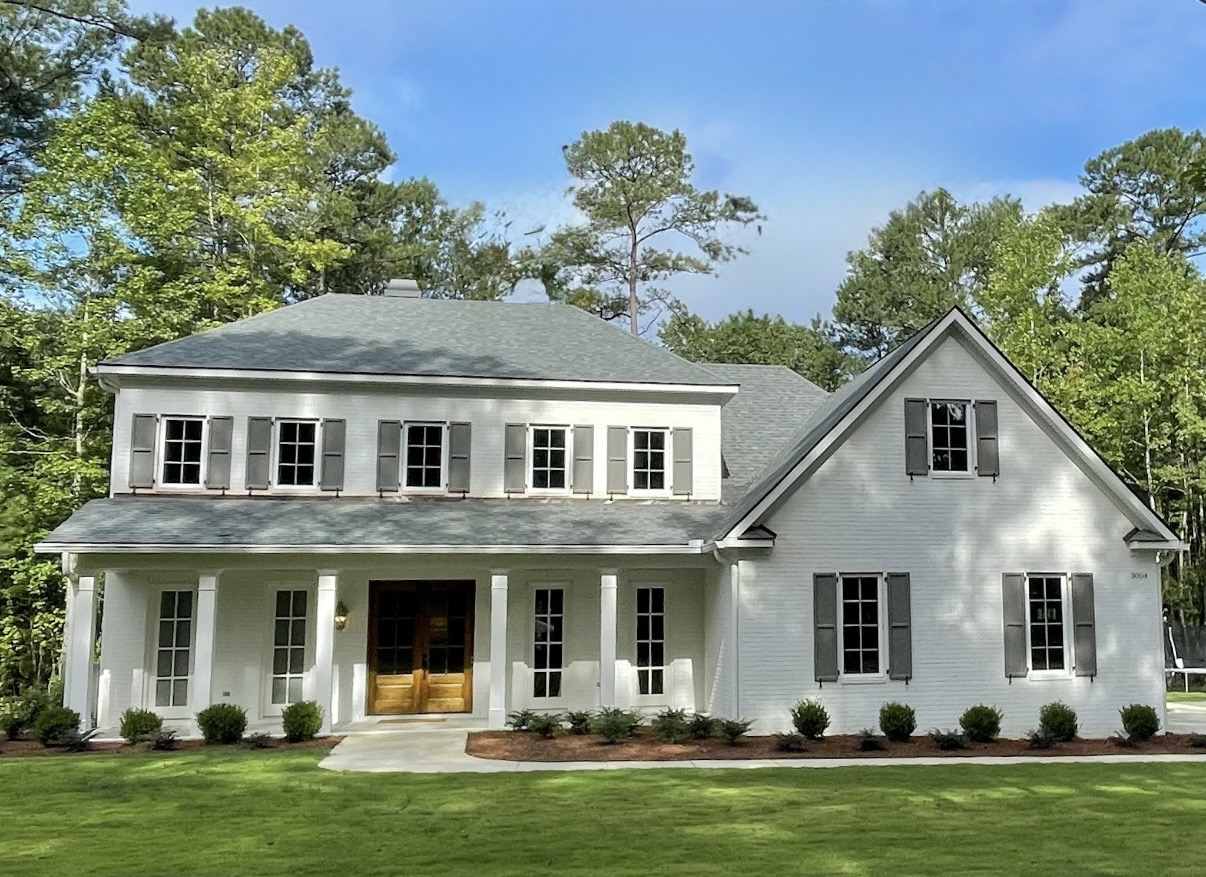
What makes an Opelika home difficult to price?
Most residential pricing begins with comparable properties.
What has sold nearby?
How recently did it sell?
How similar was it?
How does its size, age, condition, lot and location compare with the property we’re pricing?
That becomes more complicated when your house doesn’t have an obvious match.
Maybe nearby homes sit on small lots while yours has several acres.
Perhaps surrounding properties are fairly traditional while yours has distinctive architecture.
Maybe your home has undergone substantial renovations that neighboring properties haven’t.
Or perhaps the location itself is unusual.
When the differences become significant, simply finding three nearby sales and averaging their prices may not tell us enough.
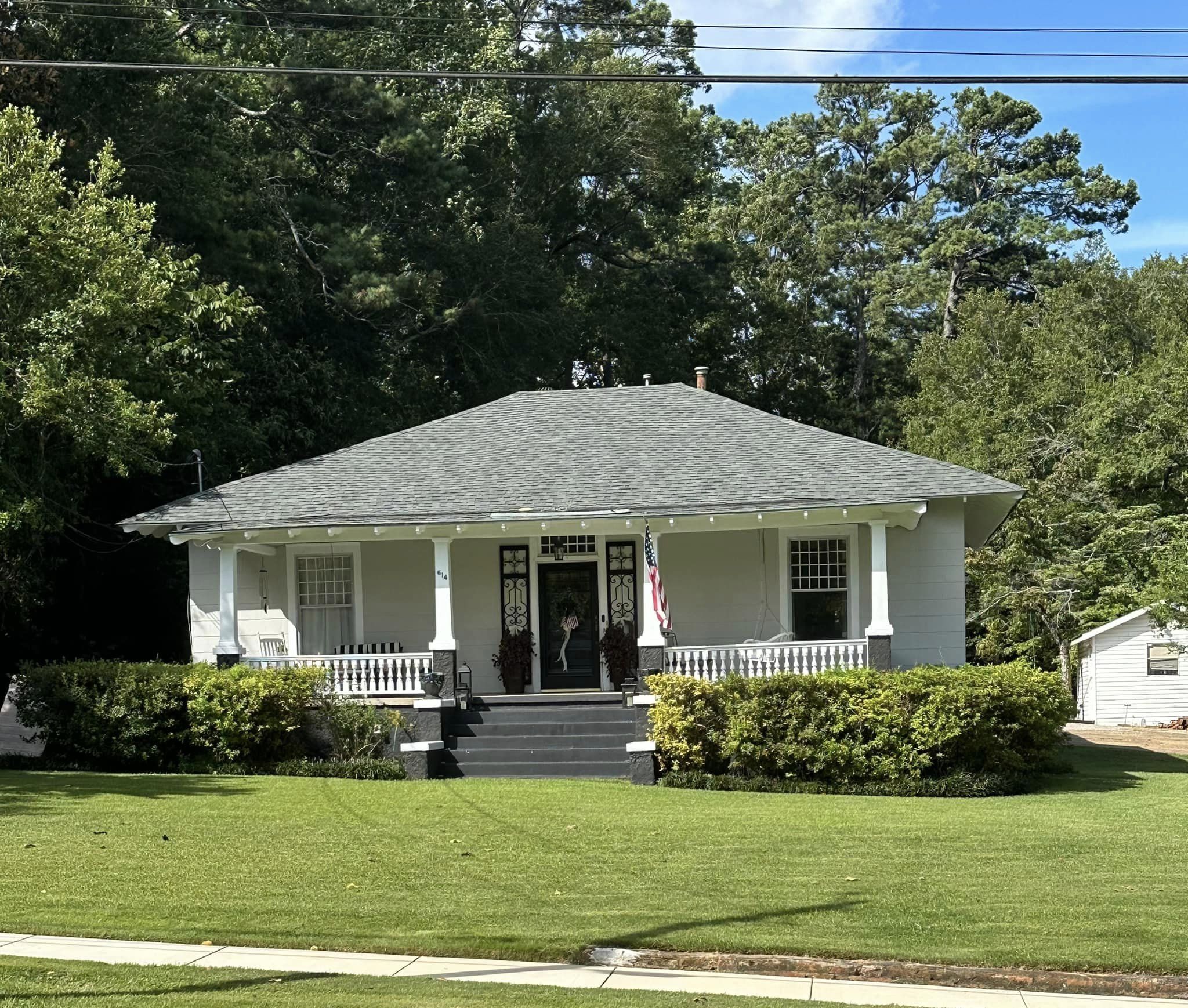
Why an automated estimate may struggle
Online home-value estimates generally rely heavily on available property and market data.
That works better for some properties than others.
If twenty similar homes have recently sold in the same area, there may be plenty of information available.
A unique property presents a different challenge.
An automated system may recognize square footage, bedrooms, bathrooms, lot size and recorded sales.
It may have considerably more difficulty understanding how buyers will respond to a beautifully renovated historic home, an unusual architectural design, substantial acreage or a property with features rarely found in nearby sales.
If you’re wondering what your property may be worth, my Opelika home-selling information is a good starting point.
But for an unusual property, I want to see the house.
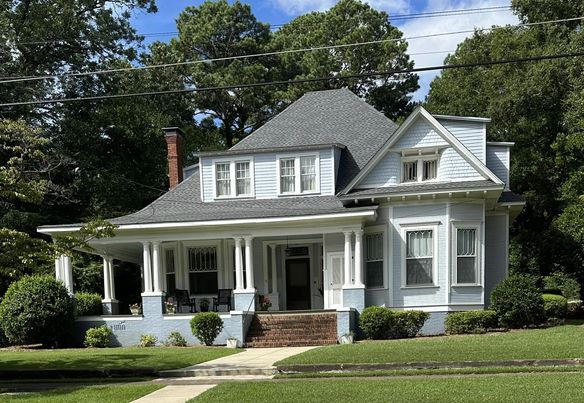
Start with the closest comparable sales
Unique does not mean we ignore comparable sales.
Quite the opposite.
We begin by finding the best information available.
That may include:
- Recent sales in the immediate area
- Similar-sized homes
- Properties with comparable acreage
- Homes of similar age or architectural style
- Renovated properties
- Sales in competing locations
- Current listings competing for similar buyers
- Pending sales when useful information is available
The perfect comparable may not exist.
Our job is to determine which available sales tell us something useful.
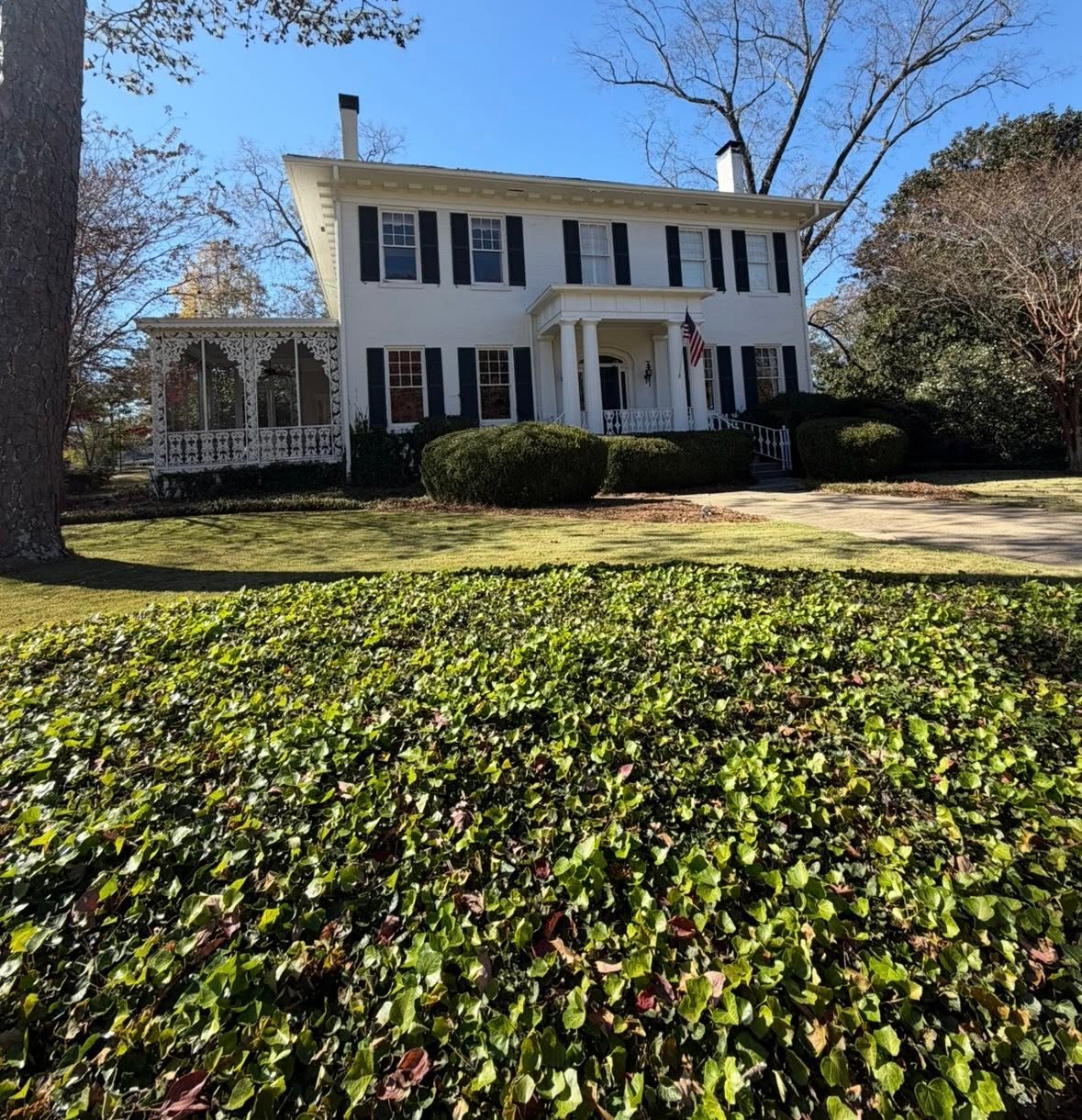
Sometimes we have to widen the search
Suppose your Opelika property sits on acreage, has a distinctive custom home and includes improvements rarely found nearby.
There may be no recent sale within a few streets that adequately compares.
In that situation, we may need to widen the geographic search.
But widening the search introduces another issue:
Location differences.
A similar house somewhere else is not automatically worth the same amount in Opelika.
We have to consider what information that sale gives us—and what differences prevent us from treating it as a direct comparison.
That requires judgment rather than simply copying a price per square foot.
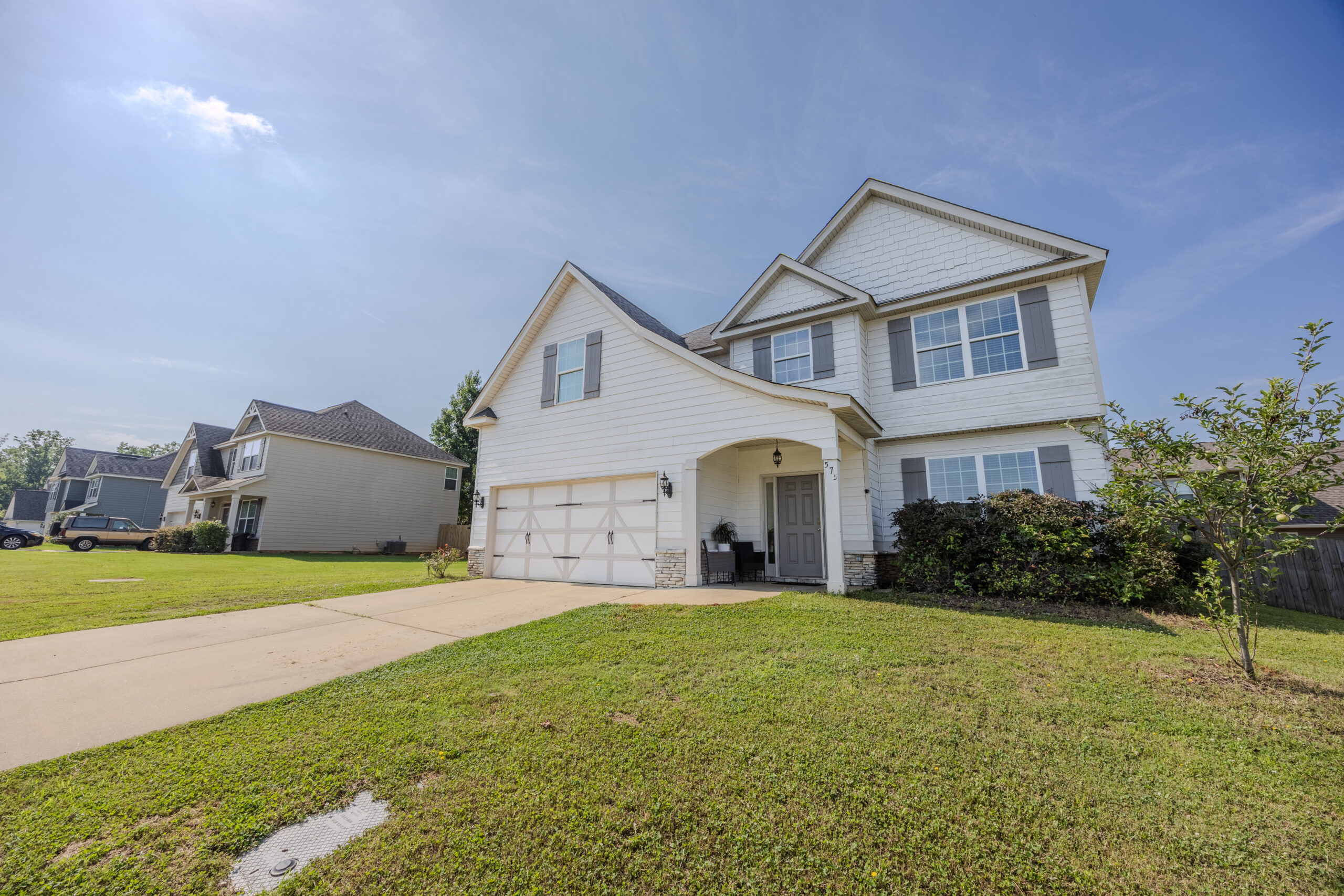
Be careful with price per square foot
Price per square foot can provide context.
It can also be badly misused.
Imagine two homes with identical square footage.
One has been extensively renovated.
The other needs significant updating.
One sits on considerably more land.
One has additional structures.
One has a very different location.
One has a floor plan that buyers may respond to differently.
Dividing the sale price by square footage doesn’t erase those differences.
I look at price-per-square-foot information as one piece of the analysis—not a substitute for analyzing the properties themselves.
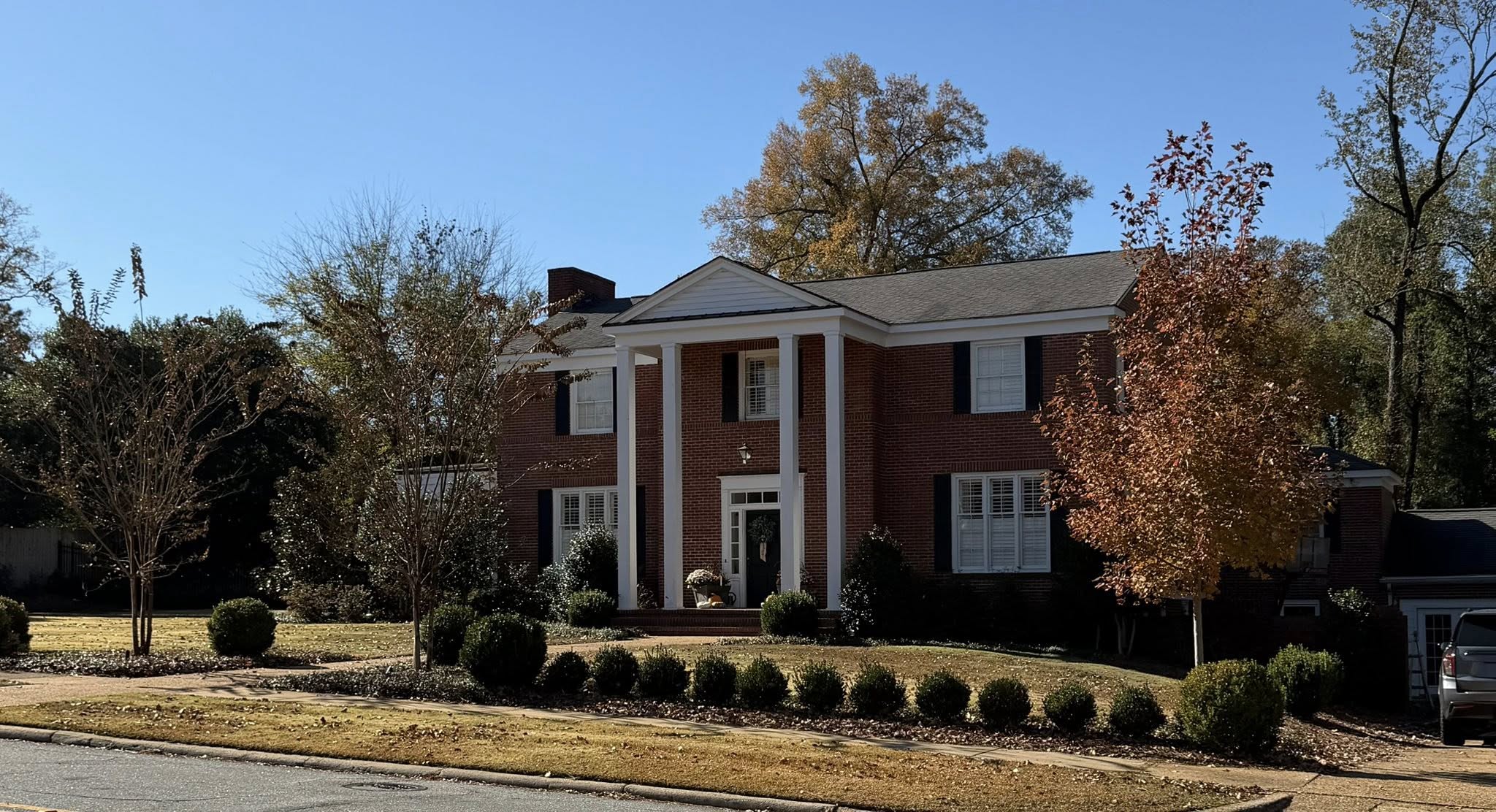
What did the renovations actually change?
This can be an emotional part of pricing.
You may have spent $100,000, $200,000 or substantially more improving your property.
That money was real.
But the amount a seller spent does not automatically translate dollar-for-dollar into market value.
Some improvements may be highly desirable to buyers.
Others may reflect personal preferences.
Some may bring an older property closer to what buyers expect at its price point.
And certain improvements may appeal strongly to a relatively small group of buyers.
So instead of asking only:
How much did you spend?
We also need to ask:
How does the market respond to what you created?
Those are different questions.
Unique features can be an advantage—and narrow the audience
A distinctive home can be memorable.
That can be wonderful.
It may have character that buyers simply cannot find in a more typical property.
But “unique” does not automatically mean “worth more to everyone.”
A dramatic architectural style might be exactly what one buyer has been hoping to find.
Another buyer may prefer something traditional.
Extensive acreage may be incredibly valuable to someone who wants land.
Another buyer may have no interest in maintaining it.
A specialized room or unusual floor plan may be perfect for one household and less practical for another.
The question isn’t whether a feature is good or bad.
The question is:
How is the likely buyer pool going to respond to it?

Location still matters
Even a truly distinctive home exists within a location.
Buyers may consider access to downtown Opelika, Auburn, employment, shopping and the places important to their daily lives.
The City of Opelika provides information about the community and local services at City of Opelika.
People researching the area may also explore Downtown Opelika and shopping and dining areas such as Tiger Town.
For sellers, the important point is that we cannot price the house as though location doesn’t exist simply because the property itself is unusual.
The land, setting and surrounding market remain part of the equation.
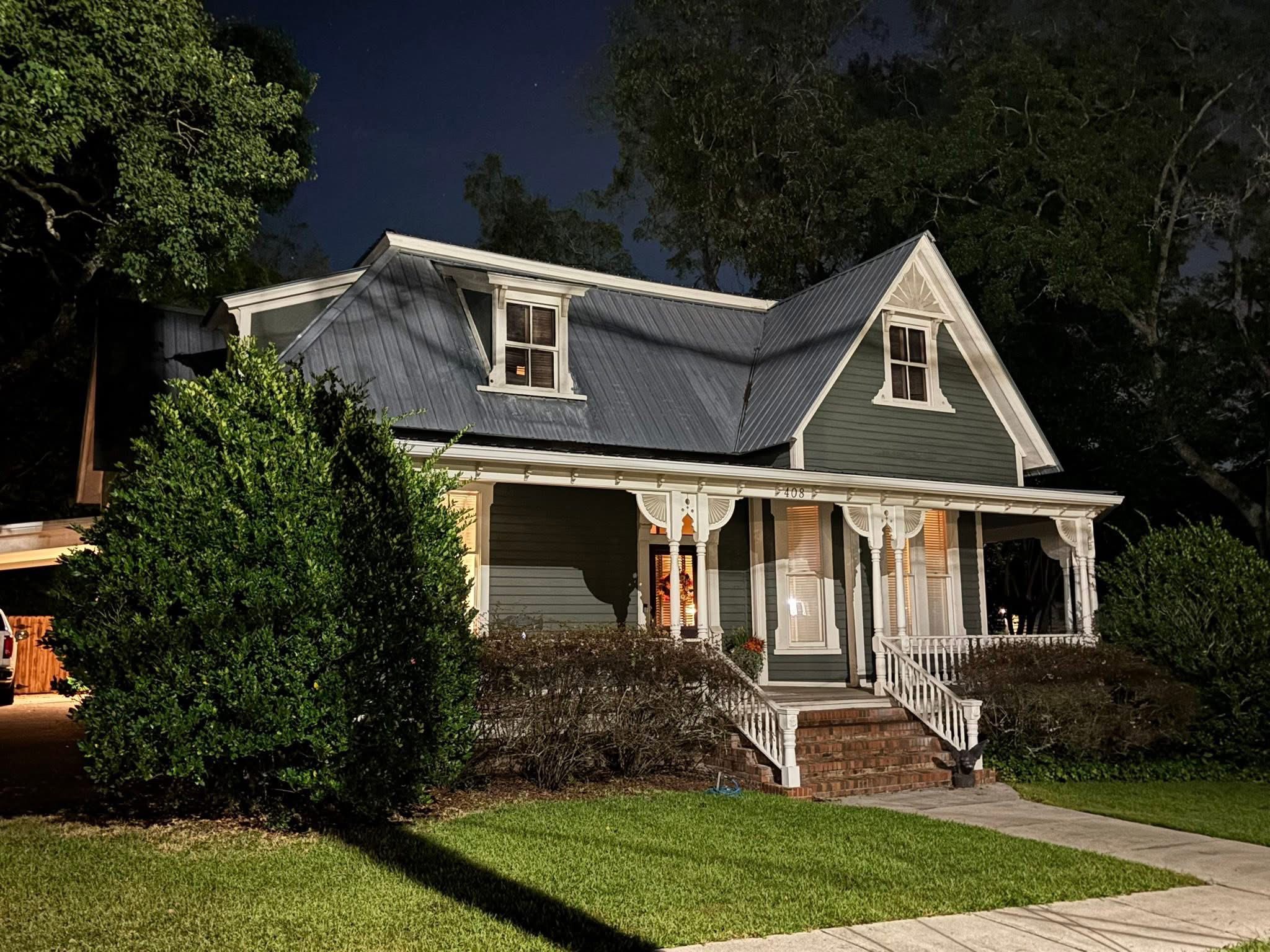
Acreage requires additional thought
Acreage can make an Opelika property particularly interesting to buyers looking for more space.
But again, we have to analyze it carefully.
How much land is included?
How is it configured?
How much is usable?
What improvements are on the property?
What do applicable records and restrictions show?
How does the property compare with other acreage sales?
A five-acre property and another five-acre property are not automatically equivalent simply because the acreage number matches.
When land is a significant component of the property, appropriate surveys, records and professional expertise may also become important depending on the circumstances.

Current competition matters
Sold properties tell us what happened.
Current listings tell us something different.
They show us what buyers can choose right now.
Suppose we determine that your unique Opelika home might reasonably compete within a certain price range.
What else can a buyer purchase for that money?
A larger house?
A newer house?
More acreage?
A completely renovated property?
Something in a different location?
Buyers compare choices.
So should we.

An unusual home may need a wider marketing approach
If a home appeals to a narrower buyer pool, we need to present its distinctive features clearly.
That doesn’t mean exaggerating them.
It means helping the right buyer understand what makes the property different.
Professional-quality photography can matter.
Accurate property information matters.
A strong description matters.
The order and way features are presented can matter.
And if acreage, architecture, renovations or other unusual characteristics are important to the property’s appeal, those characteristics should be communicated accurately.
The objective is not to convince every buyer that the house is for them.
It is to make sure the buyers who might appreciate it understand what they are seeing.

Don’t price solely from what you need to net
Another difficult conversation sometimes begins with:
“I need to get $___ out of the house.”
I understand why sellers think that way.
Maybe you need the proceeds for your next purchase.
Maybe you invested heavily in renovations.
Maybe you have a mortgage balance to consider.
Those numbers matter to your financial decision.
But buyers don’t determine their offers based on what a seller needs to net.
They compare the property with their other choices.
That means we need to understand both sides:
What do you need from the sale?
and
What does current market evidence tell us?
Sometimes those numbers align nicely.
Sometimes they don’t.
Knowing that before listing is much better than discovering it after months on the market.
Don’t price from an old appraisal either
Perhaps you had an appraisal performed several years ago.
That’s useful historical information.
It isn’t necessarily today’s value.
Market conditions change.
Comparable sales change.
The property itself may have changed.
An appraisal also has a specific effective date and purpose.
If an appraisal becomes necessary for a current transaction or another reason, a qualified appraiser should provide the appropriate current analysis.
For listing purposes, I want to know what today’s market is telling us.
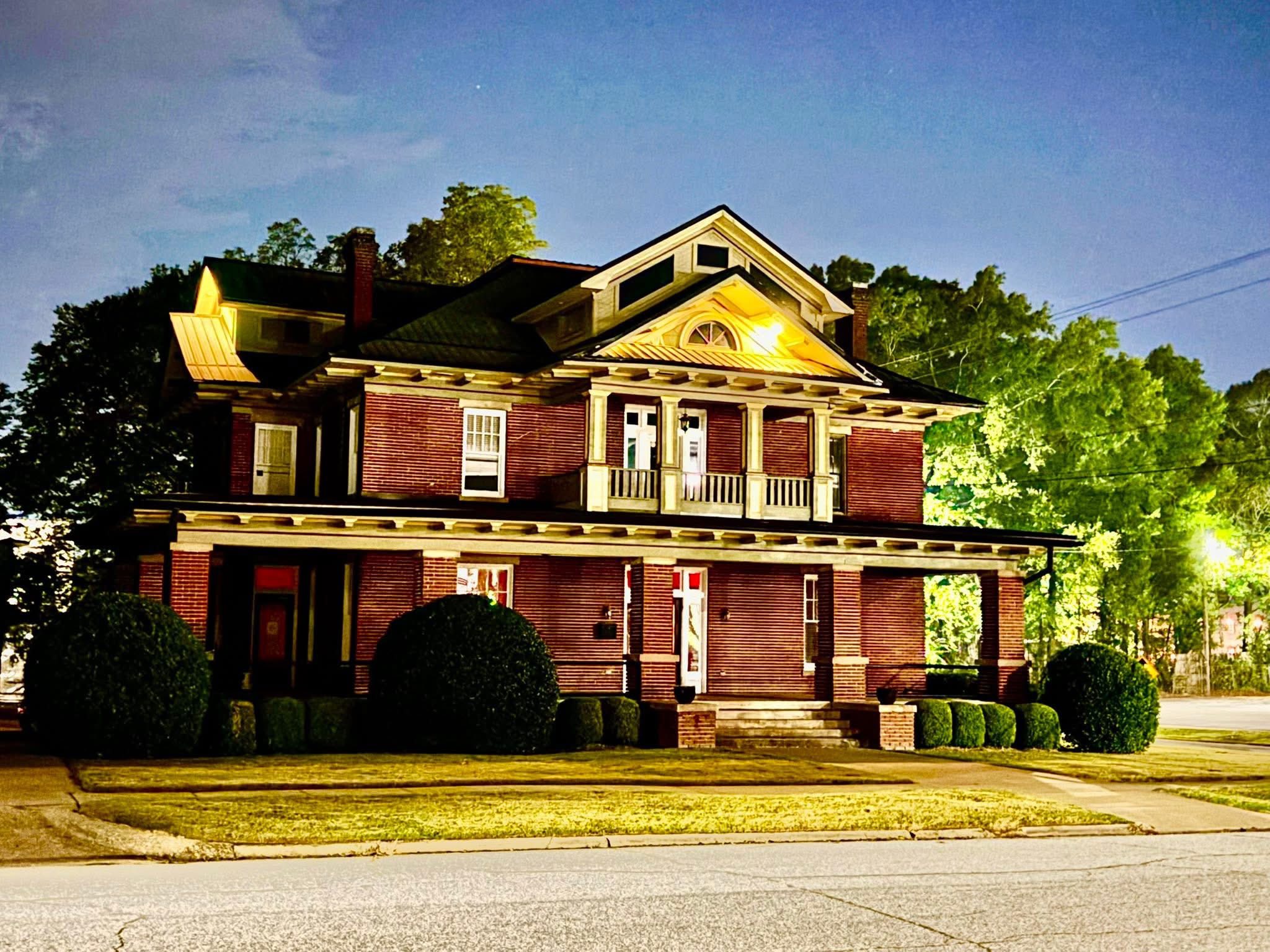
A practical example
Imagine an Opelika seller owns a distinctive home on acreage.
The house has been extensively renovated.
There are few similar properties nearby.
The seller has invested substantially in the home and understandably feels those improvements should be reflected in the price.
Rather than choosing a number based solely on renovation cost, we start gathering evidence.
What similar-sized homes have sold?
What acreage properties have sold?
What renovated homes have sold?
What properties are currently competing for buyers in the anticipated price range?
How do the locations compare?
Which features are likely to broaden buyer interest?
Which may appeal to a more specific audience?
We may not find one perfect comparable.
But several imperfect comparables can still provide useful information when we understand what each one tells us.
That’s where the analysis becomes more important than simply pushing a button for an automated estimate.

Watch what happens after the home hits the market
Pricing isn’t something we stop thinking about the moment the listing goes live.
The market begins giving us additional information.
Are buyers viewing the listing online?
Are they scheduling showings?
What feedback are we receiving?
How does activity compare with competing properties?
Has the competition changed?
Have new comparable sales closed?
A unique home may require patience because its buyer pool can be more specific.
But “unique” shouldn’t become an excuse to ignore what the market is telling us.
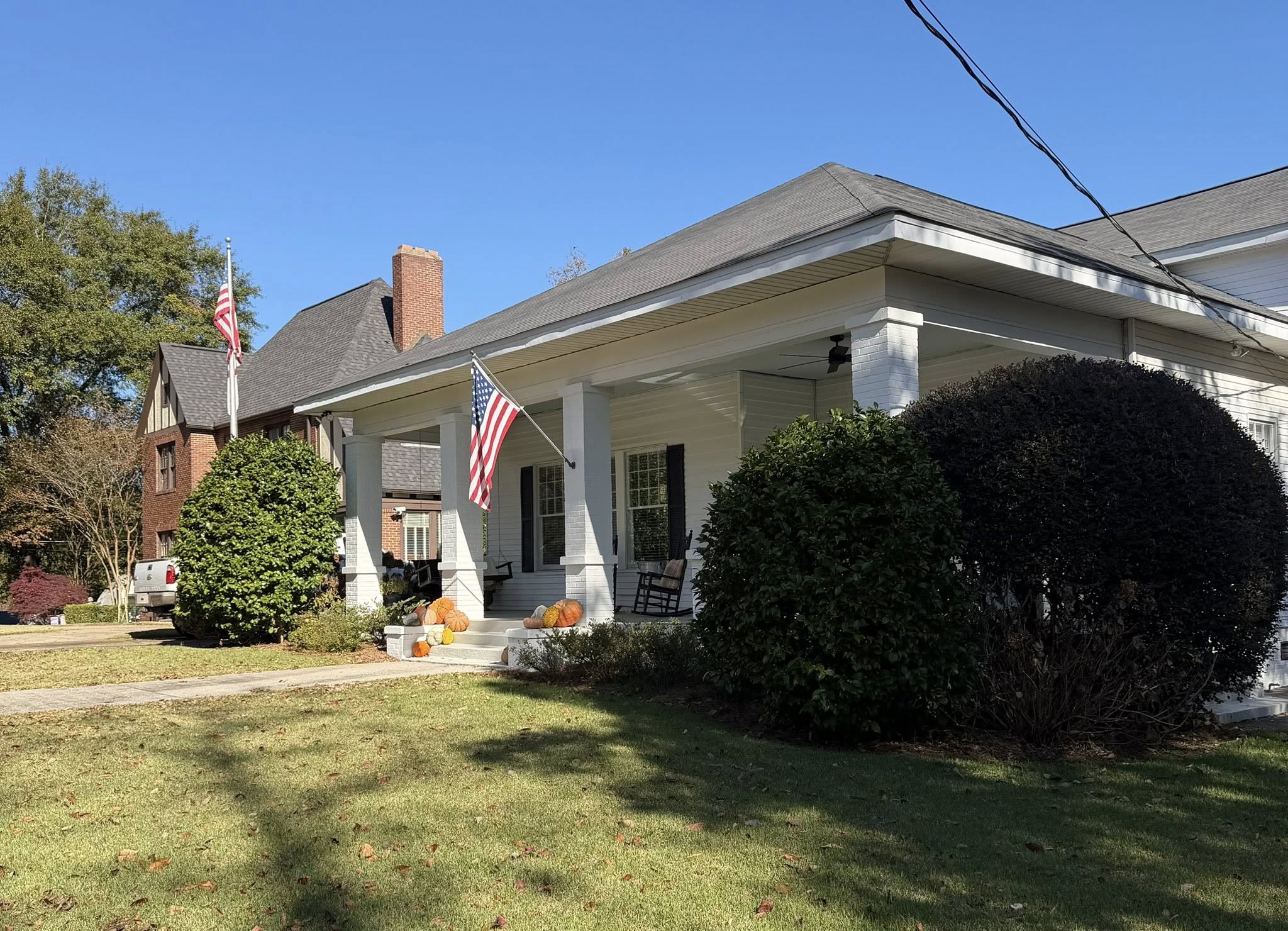
How long will a unique Opelika home take to sell?
There is no responsible way to give every unusual property the same answer.
Timing can depend on:
- Price
- Condition
- Location
- Buyer demand
- Competition
- Property type
- Acreage
- Features
- Financing considerations
- Market conditions
- How narrowly the property appeals to potential buyers
A home that needs a very particular buyer may behave differently from a property with broad appeal.
That’s another reason positioning matters.
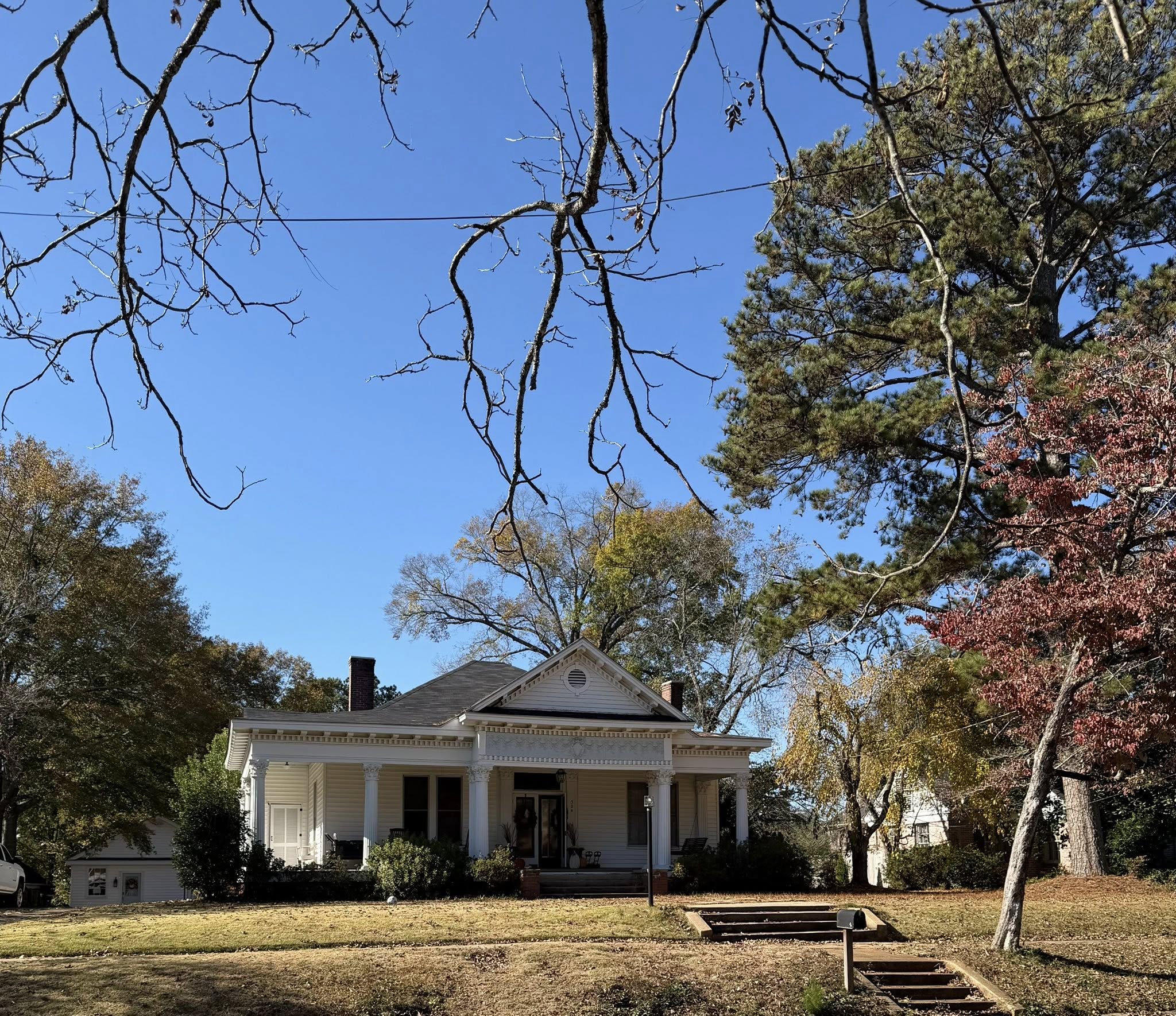
What if I think my house is worth more than the comparables?
Tell me why.
Seriously.
I want to know.
Maybe there is something about the property I need to understand.
Renovations.
Land.
Outbuildings.
Construction quality.
Architectural details.
Improvements.
Views.
A feature that isn’t obvious from public records.
Pricing should be a conversation supported by information.
My job isn’t to walk into your house and immediately tell you you’re wrong.
My job is to investigate.
But after we investigate, we still have to deal with what the evidence shows.
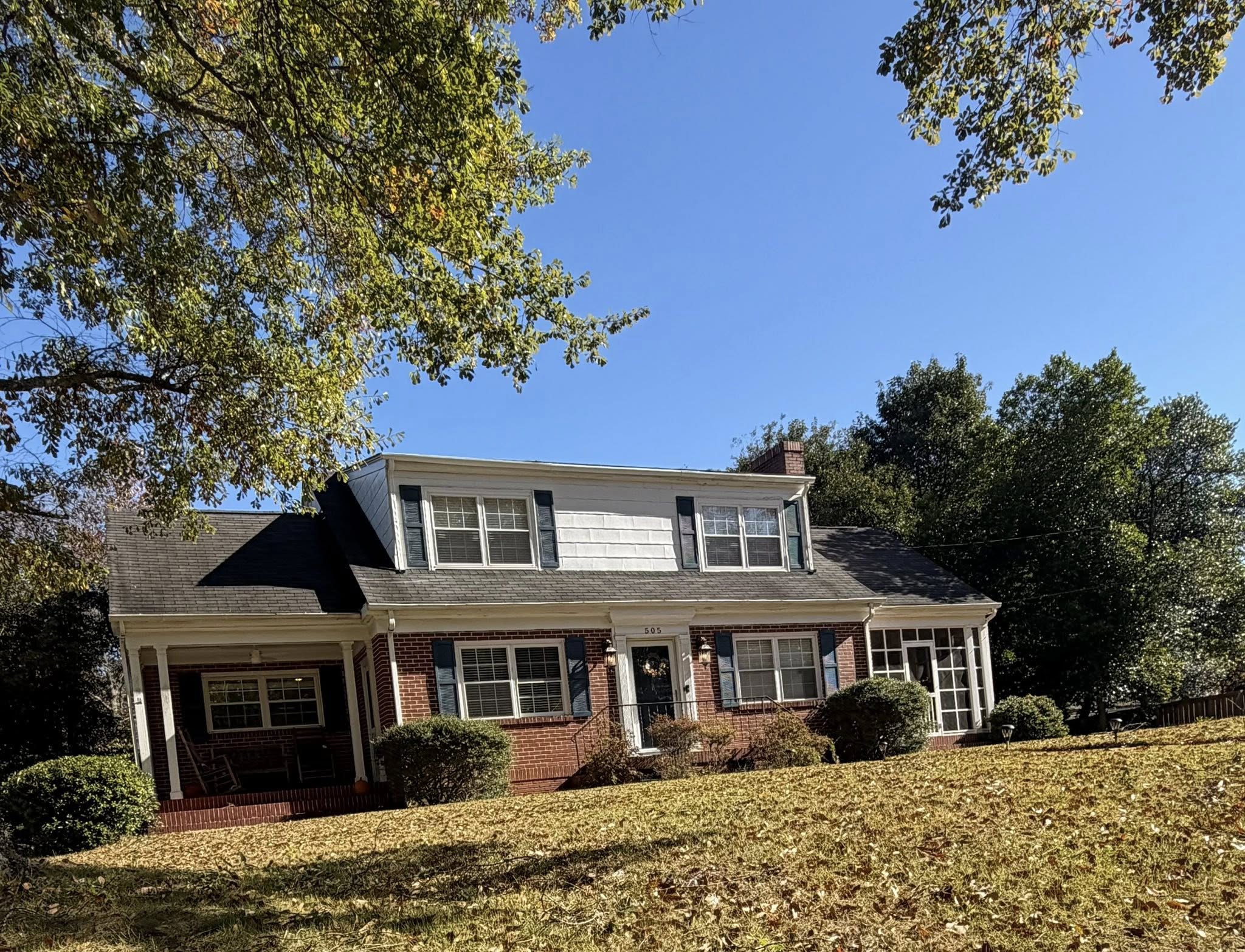
Quick Q&A about selling a unique Opelika home
How do you price a home when there are no good comparables?
We look for the most relevant available market information. That may require expanding the geographic area, considering several types of comparable properties and carefully accounting for meaningful differences.
Is an online home estimate accurate for a unique property?
An automated estimate can be one data point, but unusual architecture, renovations, acreage, condition and other distinctive characteristics may require a more property-specific analysis.
Do I add the cost of my renovations to the home’s previous value?
Not automatically. Renovation cost and market value are different concepts. Buyer response and current comparable-market evidence need to be considered.
Is a unique home always worth more?
No. A distinctive feature may increase appeal for some buyers while narrowing the audience for others. Each property needs to be evaluated individually.
Should I use price per square foot?
It can provide useful context, but it should not be used by itself. Homes with identical square footage can differ substantially in condition, land, location, age, architecture and features.
Does acreage automatically increase value?
Land can be an important component of value, but acreage varies in usability, location, configuration, improvements and other characteristics. It needs to be analyzed in context.
Can you guarantee what my Opelika home will sell for?
No REALTOR® can responsibly guarantee the final sale price. I can analyze available market information, evaluate competition and help you develop a pricing and positioning strategy.
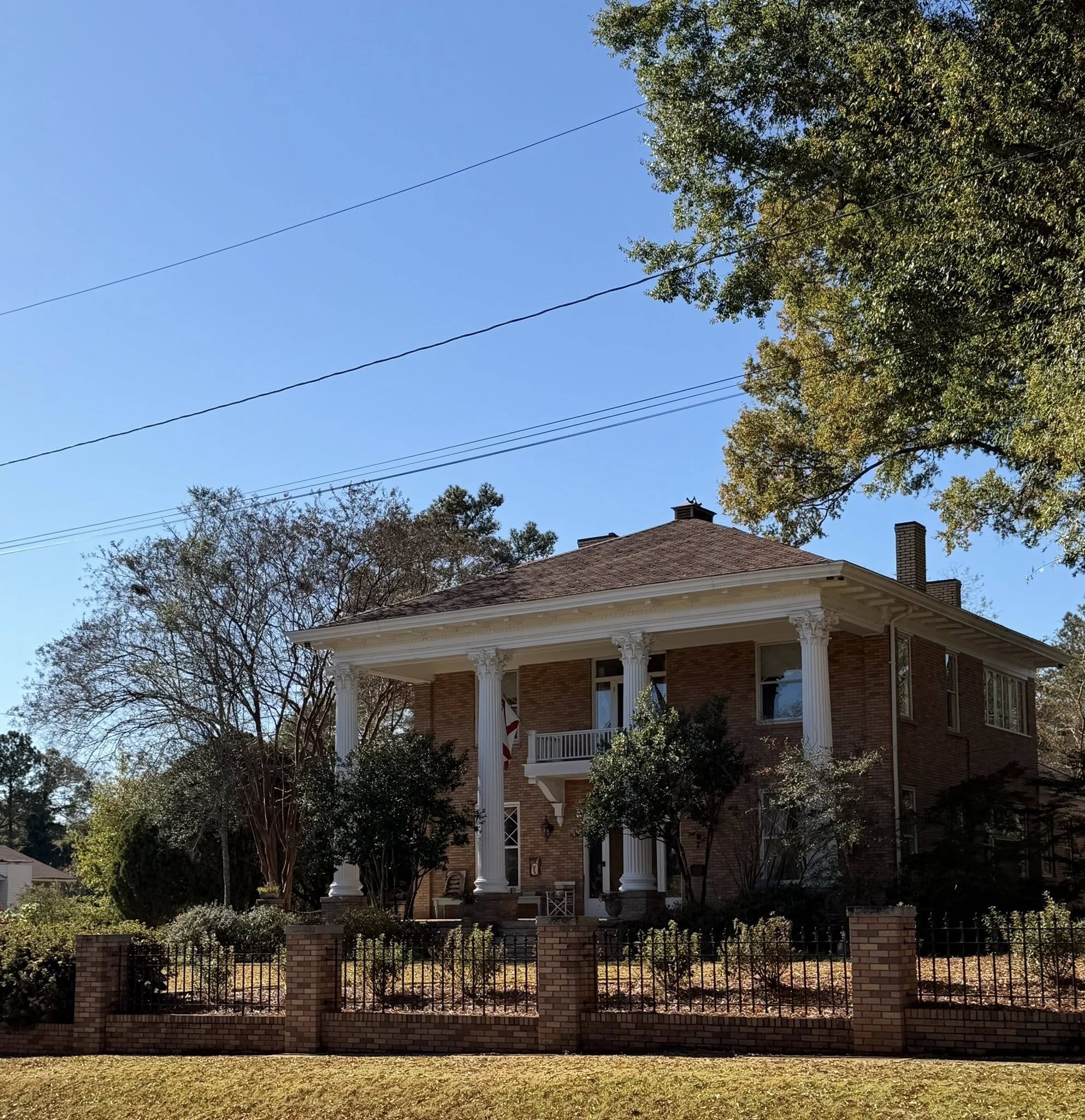
Thinking about selling your Opelika home?
If you’re asking, “How do I sell my Opelika home when there isn’t another house quite like it?” that’s exactly when a more detailed conversation makes sense.
Let’s look at the property.
Let’s talk about what you’ve changed.
Let’s examine the land, location, architecture, condition and distinctive features.
Then let’s look at what has sold, what’s pending when useful information is available, and what you’re competing against today.
You can explore additional local information through my Opelika real estate and community information and AuburnOpelikaALRealEstate.com.
I’m Laura Sellers, an Auburn University alumna who has lived in the Auburn–Opelika area since 1988 and has been a REALTOR® for more than 20 years. I’m an Associate Broker with Berkshire Hathaway HomeServices Preferred Real Estate — the Official Real Estate Partner of the Auburn Tigers.
If you have a unique Opelika property and you’re thinking about selling, I’d be happy to take a closer look.
Call or text Laura Sellers at 334-332-7263.
AuburnOpelikaALRealEstate.com
Homes, y’all!