

Relocating to Auburn University means learning something that can be difficult to appreciate until you’ve experienced it yourself: Jordan-Hare Stadium is enormous compared with the city surrounding it.
Its official capacity is 88,043 people.
On a football Saturday, Auburn Athletics describes a full Jordan-Hare Stadium as the equivalent of Alabama’s fifth-largest city.
Think about that for a minute.
An enormous concentration of people can gather in one stadium in the middle of Auburn.
Then add everyone tailgating, working the game, visiting Downtown Auburn, eating in restaurants, walking around campus or simply coming to town without a ticket.
That’s why I tell people relocating here:
Don’t choose where you’re going to live based only on what Auburn looks like on an ordinary Tuesday.
You also need to understand what happens when Auburn football comes home.
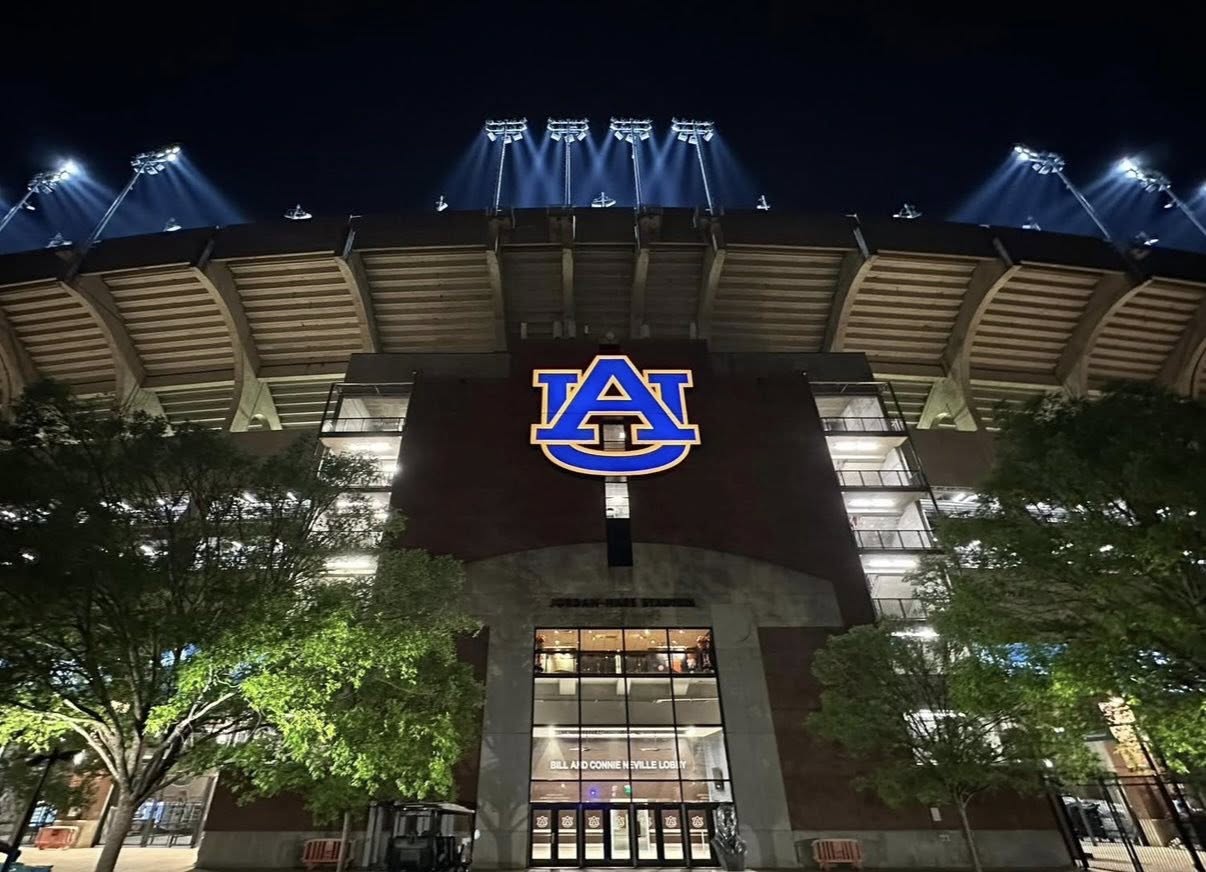
Table of Contents
- Relocating to Auburn University? Jordan-Hare Stadium Changes the Equation
- Jordan-Hare Stadium Is Bigger Than Newcomers Expect
- Auburn Can Feel Like Two Different Cities
- Game-Day Activity Starts Hours Before Kickoff
- Traffic and Parking Patterns Can Change
- What Does Living Close to Jordan-Hare Feel Like?
- But Maybe You Want to Visit the Energy — Then Go Home
- This Is Why I Don’t Just Ask Where You Work
- Jordan-Hare Is About More Than Noise
- Downtown Auburn Changes on Football Weekends, Too
- What If You’d Rather Live Farther From Campus?
- A Realistic Auburn University Relocation Scenario
- Quick Q&A About Relocating to Auburn University
- Related Auburn Relocation Topics
- Over 20 Years of Auburn–Opelika Real Estate Experience
- Relocating to Auburn University? Contact Me Before You Tour Homes
Relocating to Auburn University? Jordan-Hare Stadium Changes the Equation
If you’re relocating to work at Auburn University (https://www.auburn.edu/), your first instinct may be:
I want to live as close to work as possible.
Perfectly reasonable.
But before deciding exactly how close you want to be, I’d encourage you to experience Auburn during more than one type of day.
Visit on a weekday.
Visit early in the morning.
Visit Downtown Auburn.
And if possible, experience a home football weekend.
Because proximity to Auburn University can feel very different when tens of thousands of people arrive for a football game.
Jordan-Hare Stadium Is Bigger Than Newcomers Expect
Jordan-Hare Stadium (https://auburntigers.com/jordan-hare-stadium) has been home to Auburn football since 1939.
Its current official capacity is 88,043.
Auburn Athletics lists it among the nation’s largest on-campus college football stadiums.
But here’s the statistic I think really puts its size into perspective:
On football Saturdays, a full Jordan-Hare Stadium becomes the equivalent of Alabama’s fifth-largest city.
That’s one stadium.
In Auburn.
And that’s only the people inside Jordan-Hare.
It doesn’t include everyone elsewhere on campus and around town.
For someone moving here from another university town with a smaller football program — or from somewhere without major college athletics — the scale can be surprising.
Auburn Can Feel Like Two Different Cities
I’ve lived in the Auburn–Opelika area since 1988, and this is one of the interesting things about Auburn.
Come Downtown early on a quiet morning.
Toomer’s Corner can be peaceful.
Storefronts are quiet.
Samford Hall is sitting there across from downtown.
Students may be walking around campus.
Traffic can feel completely ordinary.
Then experience the same area during a major Auburn football weekend.
Orange and blue are everywhere.
Tailgates cover parts of campus.
Pedestrians fill sidewalks.
Restaurants get busy.
Traffic increases.
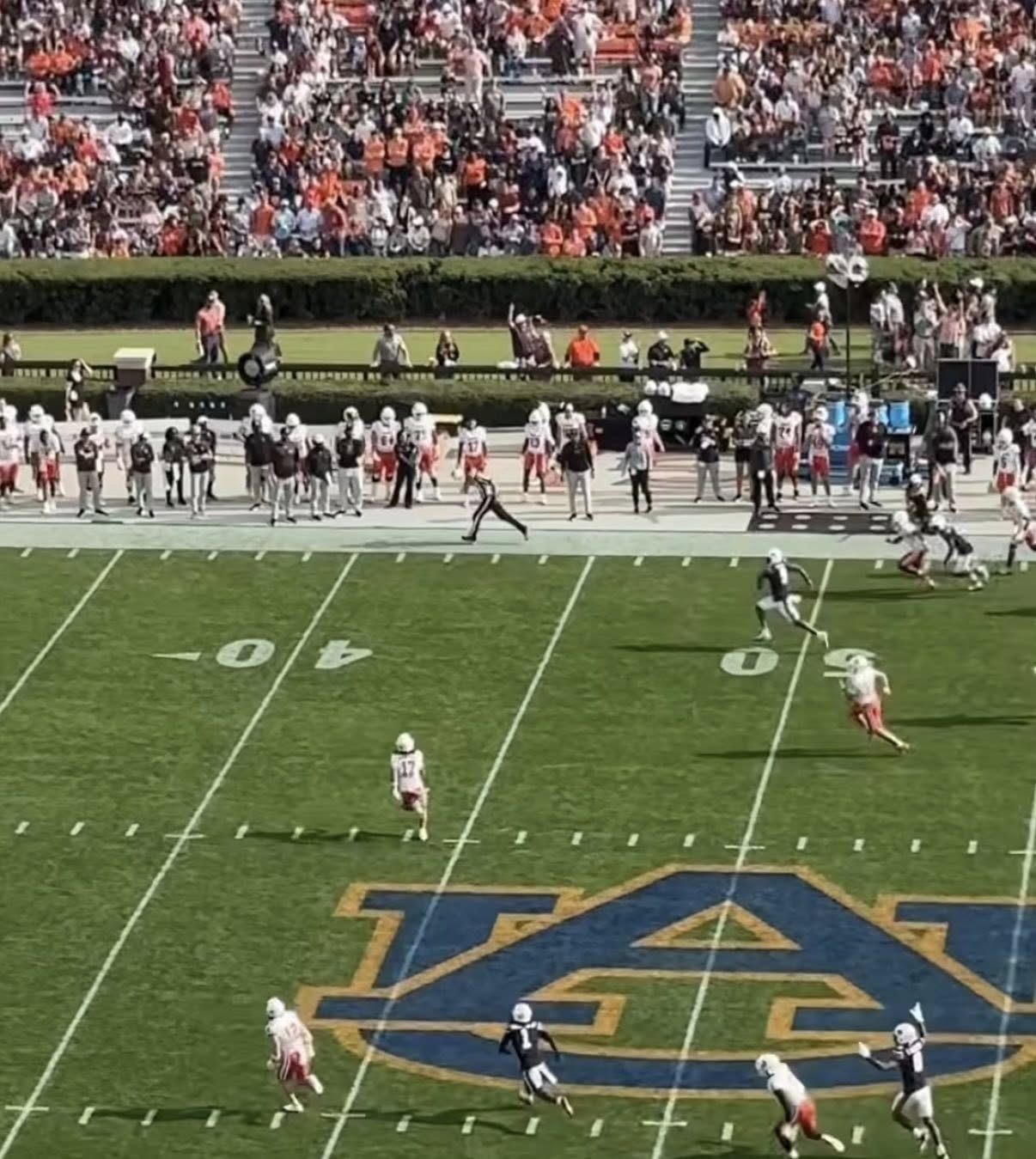
Jordan-Hare fills.
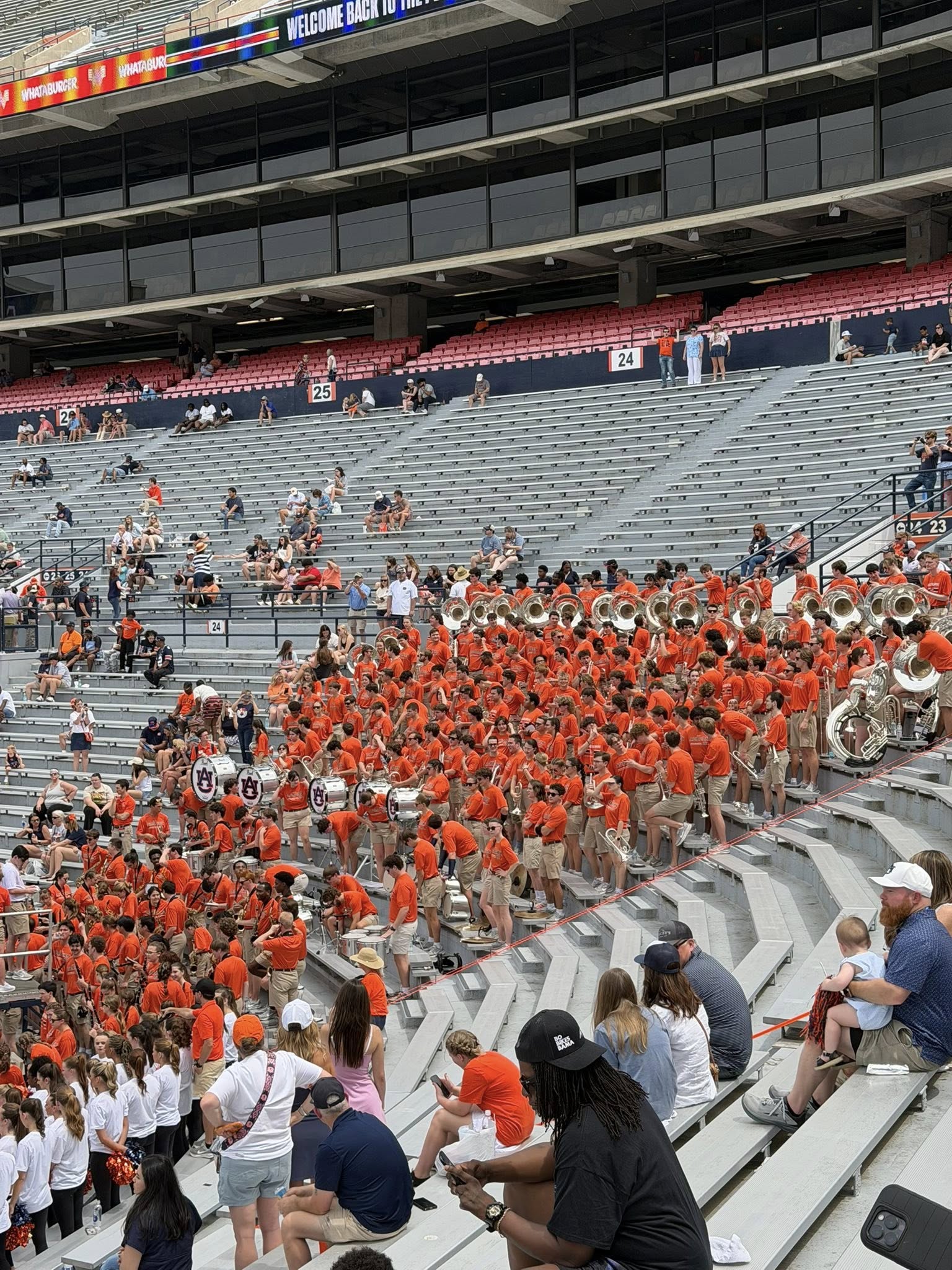
The Auburn University Marching Band is playing.
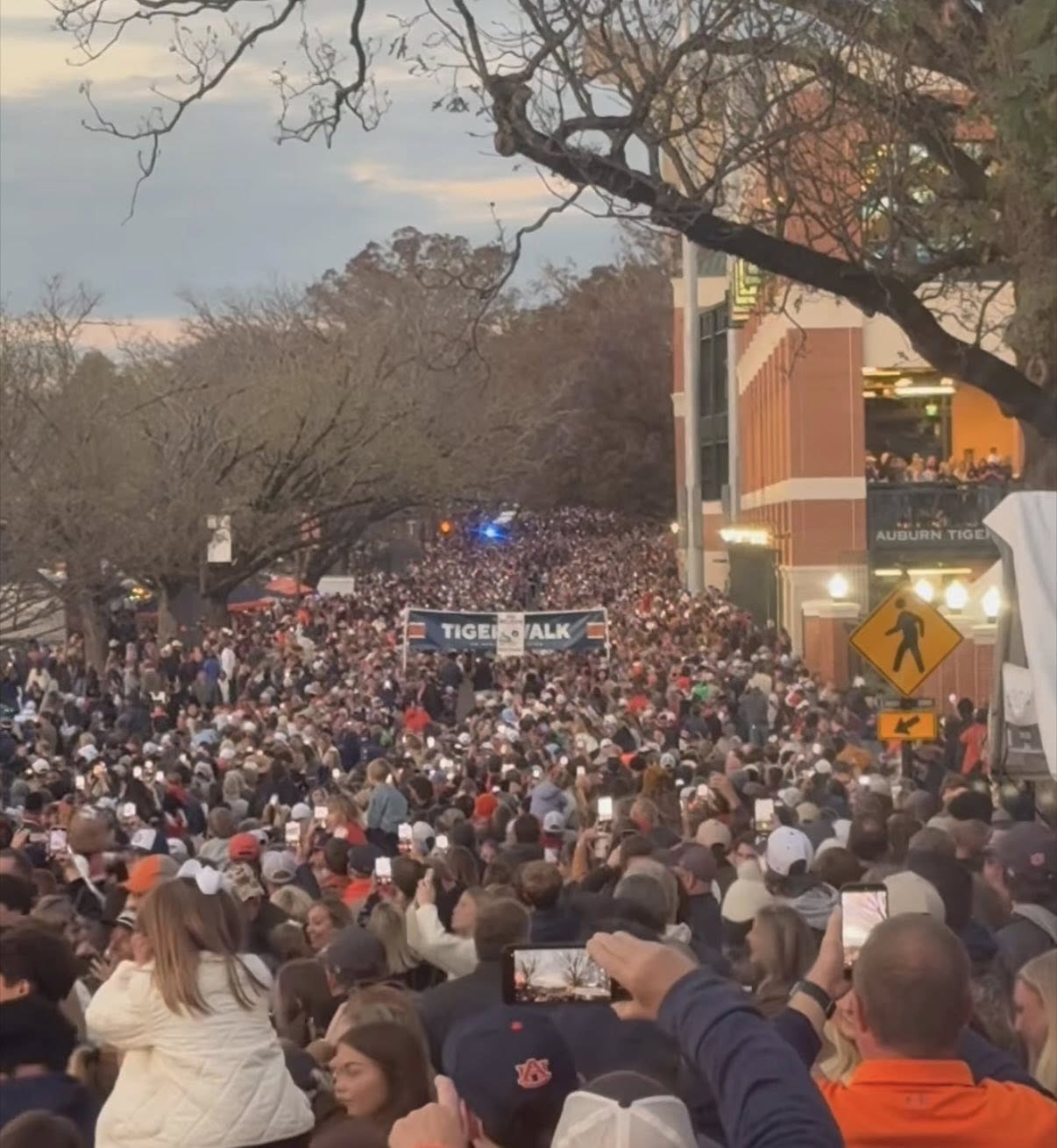
Tiger Walk brings people toward Donahue Drive.
Same Auburn. Completely different atmosphere.
Game-Day Activity Starts Hours Before Kickoff
This is another thing relocation buyers can underestimate.
If kickoff is at 6 or 7 p.m., Auburn doesn’t remain completely normal until 5:30.
Game day starts much earlier.
People arrive for tailgating.
Parking begins filling.
Families and alumni gather.
Fans visit Downtown Auburn.
Restaurants get busier.
People begin moving around campus.
Tiger Walk happens before kickoff.
Other Auburn football traditions take place before fans enter Jordan-Hare.
So when you’re evaluating a home near Auburn University, don’t think only about the actual football game.
Think about the entire day.
Traffic and Parking Patterns Can Change
Home football games bring substantial additional vehicle and pedestrian activity to Auburn University and surrounding areas.
Auburn publishes game-day parking, traffic and campus-access information because normal routines can change for football Saturdays.
Some roads may operate differently.
Parking areas have specific game-day uses.
Pedestrian traffic increases.
Thousands of visitors are navigating campus and surrounding streets.
And in 2026, the Jordan-Hare North construction project is creating some temporary adjustments to familiar game-day routines.
Those details can change from season to season, so current Auburn University and Auburn Athletics information should always be checked for a specific game.
But the broader point for a relocation buyer remains the same:
A home that’s conveniently close to Auburn University on Monday may also put you closer to major university activity on Saturday.

What Does Living Close to Jordan-Hare Feel Like?
There’s no universal answer because the experience varies depending on the property’s exact location.
But buyers considering homes near Auburn University should think about potential exposure to:
- Increased game-day traffic
- Pedestrian activity
- Visitors
- Parking activity
- Tailgating
- Stadium and crowd noise
- Downtown activity
- Late-evening activity after night games
- Other major university events
Now here’s the important part:
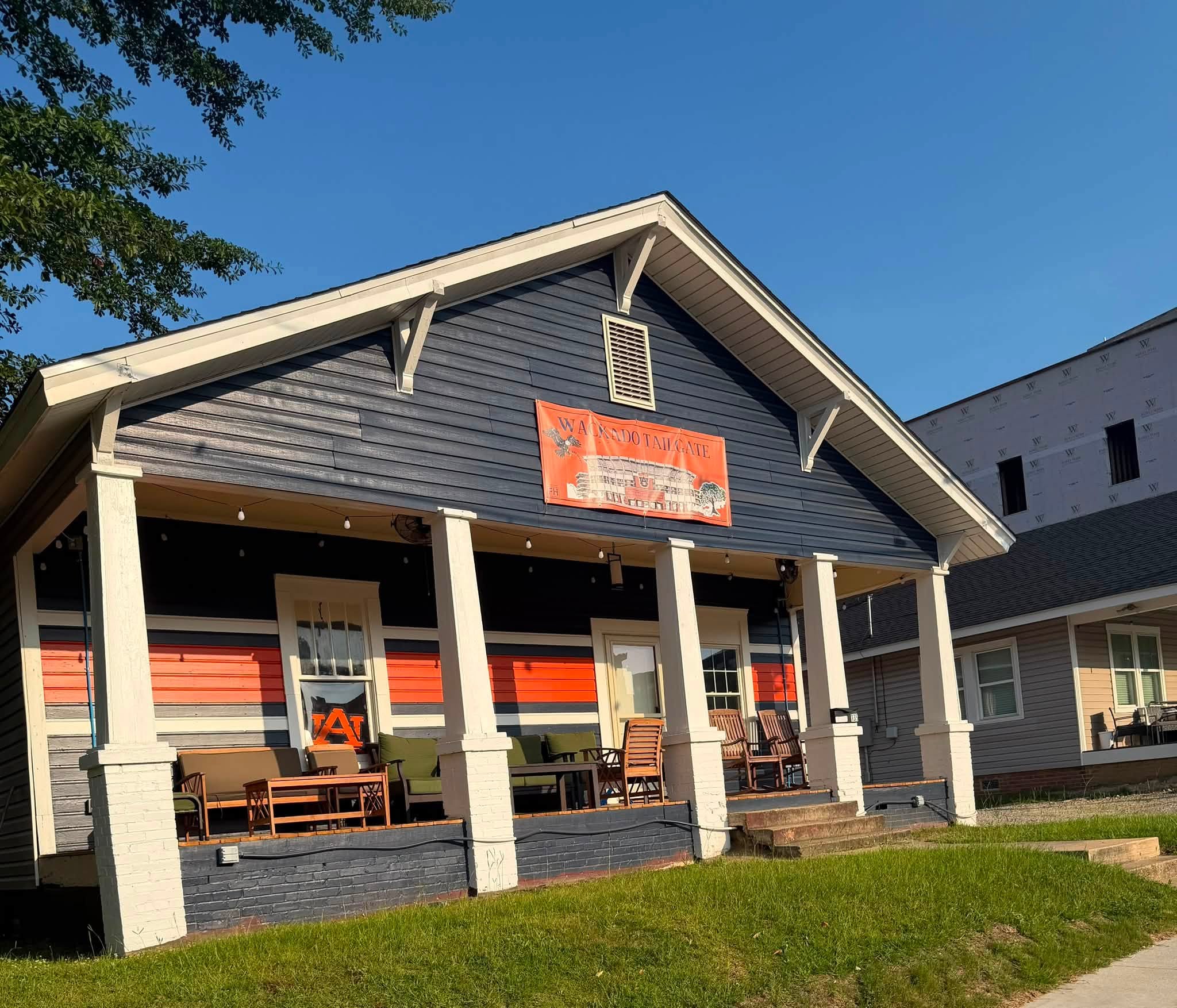
Some people LOVE this.
They want to walk to games.
They want to hear the stadium.
They want to be close to campus.
They want Downtown Auburn nearby.
They want to experience Auburn football weekends without driving across town.
For the right buyer, that’s a major part of the appeal.
But Maybe You Want to Visit the Energy — Then Go Home
Other buyers tell me something completely different.
They love Auburn.
They enjoy football.
They may attend games.
They like Downtown Auburn.
But when the game is over?
They’re ready to go home.
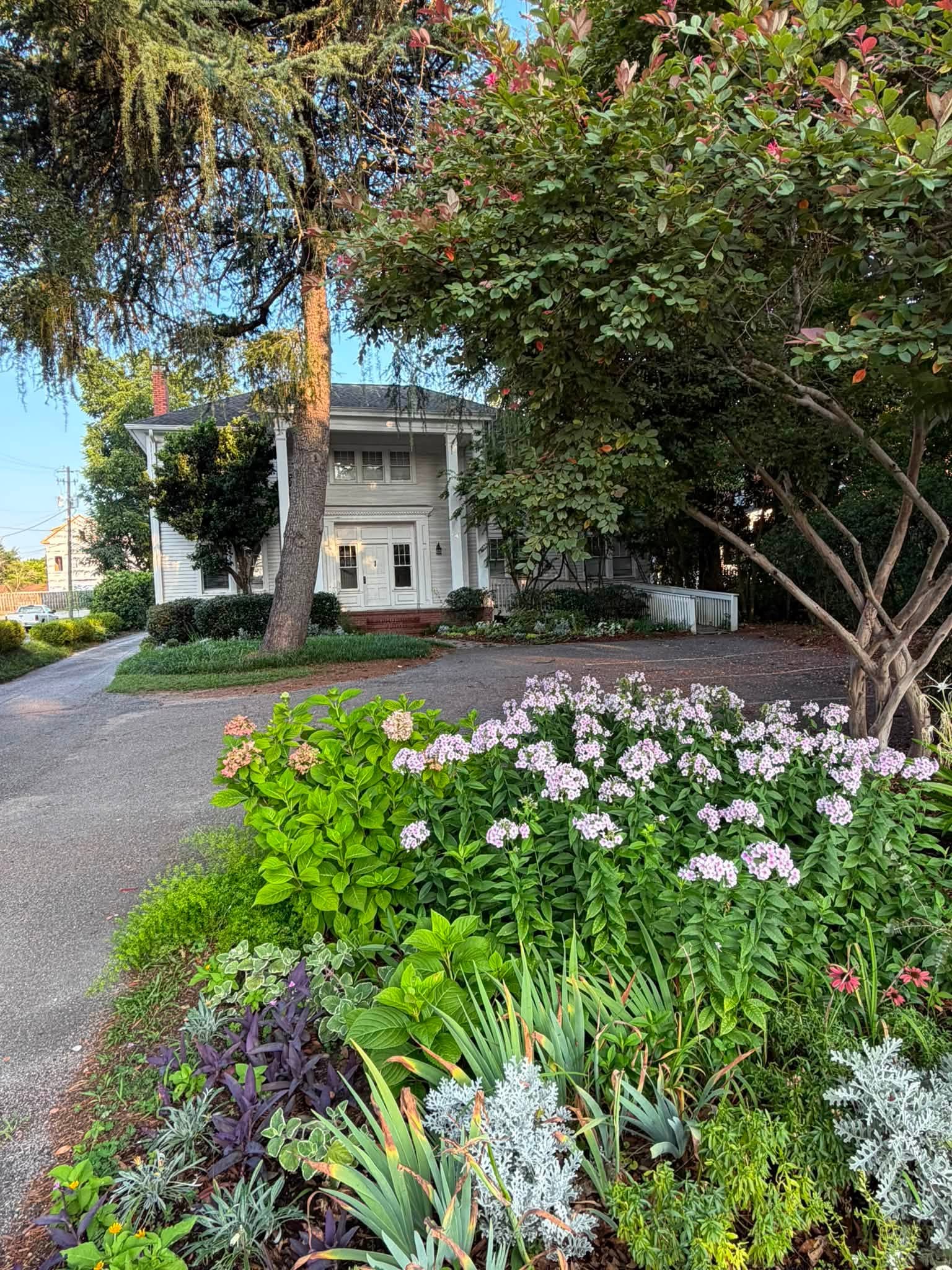
They may prefer more distance between their house and Auburn University’s busiest areas.
They might prioritize:
- Larger lots
- Different housing styles
- Newer construction
- More distance from campus activity
- Convenient access to other parts of Auburn
- Easier access to Opelika
- Proximity to shopping and everyday destinations
Neither buyer is making the “better” choice.
They’re choosing different versions of Auburn.
This Is Why I Don’t Just Ask Where You Work
If you’re relocating to Auburn University, knowing your workplace is helpful.
But I need to know more.
I want to know:
How do you actually want to live?
Do you want to walk to Auburn University?
How often will you be on campus outside work?
Do you attend football games?
Would you like being near Downtown Auburn?
How important is a larger yard?
Do you prefer established neighborhoods or newer construction?
Do you spend a lot of time in Opelika?
How much commute are you comfortable with?
Would you rather experience Auburn football outside your front door — or drive to it when you want it?
Those answers help narrow the search far more effectively than simply drawing a circle around Auburn University.
Jordan-Hare Is About More Than Noise
I don’t want someone reading this to think living near Jordan-Hare means nothing but traffic and noise.
That’s not the point at all.
Proximity can also mean proximity to some of Auburn’s most recognizable traditions.
Jordan-Hare.
Tiger Walk.
The eagle flight.
The Auburn University Marching Band.
Aubie.
Tailgating.
Auburn football night games.
Toomer’s Corner.
Downtown Auburn.
For people who love Auburn football and Auburn University, being close to that atmosphere can be part of why they want to live here in the first place.
The question isn’t whether proximity is good or bad.
The question is whether it’s right for you.
Downtown Auburn Changes on Football Weekends, Too
Jordan-Hare isn’t isolated from the rest of Auburn.
Auburn University and Downtown Auburn sit right beside each other.
Walk through Downtown Auburn during football season and you’ll see orange-and-blue merchandise in shop windows.
Restaurants fill with visitors.
Auburn clothing is everywhere.
Toomer’s Corner becomes a gathering place.
Samford Hall provides the classic Auburn backdrop.
Then come back on another quiet morning and the same streets can feel completely different.
That’s why I think relocation buyers benefit from seeing Auburn in more than one setting.
What If You’d Rather Live Farther From Campus?
That’s where understanding the broader Auburn–Opelika area becomes important.
You don’t have to live beside Auburn University to enjoy Auburn.
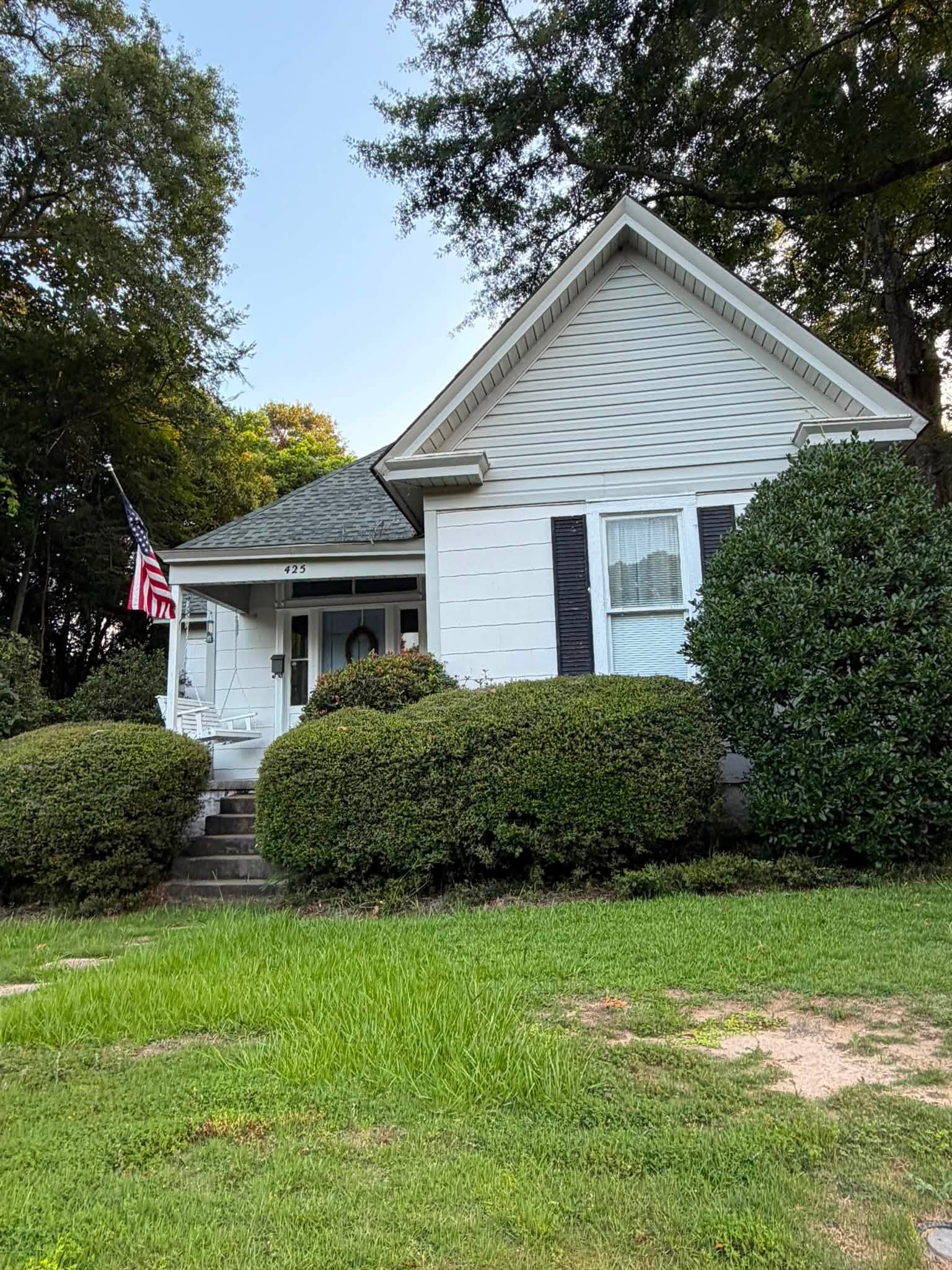
There are neighborhoods throughout Auburn with different:
- Home ages
- Lot sizes
- Housing styles
- Commute times
- Amenities
- Proximity to shopping
- Proximity to campus
- Proximity to Opelika
And some buyers decide to consider Opelika as part of their search.
Opelika Tiger Town (https://www.opelika-al.gov/397/Tiger-Town) is a major shopping and dining destination, while Auburn Mall (https://www.shopauburnalabama.com/) provides another local shopping area.
You can also explore Auburn subdivisions at Auburn subdivisions (https://auburnopelikaalrealestate.com/auburn-al-subdivisons/).
For current public-school information, visit Auburn City Schools (https://www.auburnschools.org/) or Opelika City Schools (https://www.opelikaschools.org/).
A Realistic Auburn University Relocation Scenario
Imagine you’re moving to Auburn for a position at Auburn University.
You visit during the summer.
You tour a house relatively close to campus.
The drive to work is fantastic.
Downtown Auburn is nearby.
Everything feels easy.
Then fall arrives.
It’s your first Auburn home football weekend.
By Saturday morning, visitors are arriving.
Tailgates are appearing.
Pedestrians are everywhere.
Traffic patterns change.
Hours later, 88,043 people can be inside Jordan-Hare Stadium alone.
And you suddenly understand the scale of Auburn football in a way you couldn’t understand from Google Maps.
Now imagine two different reactions.
Buyer #1:
“This is AMAZING. This is exactly why I wanted to live here.”
Buyer #2:
“I love Auburn, but I think I’d rather live a little farther away.”
Both are perfectly reasonable.
I just want you to know which buyer you are before you purchase the house.
Quick Q&A About Relocating to Auburn University
How many people does Jordan-Hare Stadium hold?
Jordan-Hare Stadium’s official capacity is 88,043.
Is Jordan-Hare Stadium really the size of an Alabama city?
Auburn Athletics says that on football Saturdays, a full Jordan-Hare Stadium becomes the equivalent of Alabama’s fifth-largest city.
Does Auburn traffic change on football weekends?
Yes. Home football games bring increased vehicle and pedestrian activity, and Auburn publishes specific game-day traffic, parking and campus-access information.
How early does Auburn game-day activity begin?
Well before kickoff. Tailgating, parking, Downtown Auburn activity, Tiger Walk and other pregame traditions can begin hours before the game.
Is living near Auburn University a good idea?
It depends entirely on your priorities. Some buyers value a short commute and proximity to campus and Downtown Auburn. Others prefer more distance from university and game-day activity.
Can you hear Jordan-Hare Stadium outside the stadium?
Crowd and stadium sound can carry beyond Jordan-Hare, although exactly what someone hears at a particular property depends on distance, conditions and location.
Should I experience a football weekend before buying near campus?
If practical, it can be useful. Seeing an area during both ordinary days and major Auburn University events can give you a better understanding of the location.
When should I contact a REALTOR® if I’m relocating to Auburn University?
Before you start touring homes. A local REALTOR® can help you understand different Auburn and Opelika locations before you become attached to a particular house.
Related Auburn Relocation Topics
- Relocating to Auburn University
- Auburn University relocation
- Moving to Auburn Alabama
- Living near Auburn University
- Jordan-Hare Stadium
- Auburn football game day
- Auburn football tailgating
- Auburn Tiger Walk
- Jordan-Hare night games
- Downtown Auburn
- Auburn neighborhoods
- Auburn homes for sale
- Auburn real estate
Visit AuburnOpelikaALRealEstate.com for Auburn–Opelika homes, neighborhoods and relocation information.
Over 20 Years of Auburn–Opelika Real Estate Experience
Laura Sellers is an Auburn University alumna who has lived in the Auburn–Opelika area since 1988 and has been a REALTOR® for over 20 years. She is an Associate Broker with Berkshire Hathaway HomeServices Preferred Real Estate, the Official Real Estate Partner of the Auburn Tigers.

I’ve seen Auburn on quiet mornings when Downtown Auburn is almost empty.
And I’ve seen Auburn when Jordan-Hare is full and it feels like half the state showed up at once. 😂
Understanding both versions of Auburn matters when you’re deciding where to live.
Relocating to Auburn University? Contact Me Before You Tour Homes
If you’re relocating to Auburn University, please contact me before you start touring homes, before you click “contact agent” on a real estate website, and before you choose an agent.
I’ll help you compare Auburn–Opelika locations based on the things that actually matter to you — commute, campus proximity, game-day activity, lot size, housing style, Downtown Auburn access and your everyday routine.
Because choosing a home near Auburn University isn’t simply about asking:
“How close can I get to campus?”
It’s asking:
“How close do I WANT to be?”
Laura Sellers, Associate Broker, REALTOR®
Berkshire Hathaway HomeServices Preferred Real Estate
334-332-7263
AuburnOpelikaALRealEstate.com
War Eagle & Homes, y’all!