
Move to Auburn: The Difference Between Visiting and Living Here

If you plan to move to Auburn, experience the city on an ordinary weekday—not only during a football game, graduation weekend, or beautiful spring afternoon. Visiting Auburn introduces you to the highlights. Living in Auburn means commuting, buying groceries, running errands, navigating move-in traffic, and deciding how close you truly want to be to Auburn University.
Auburn can feel nearly perfect during a visit. However, you are not choosing a vacation destination when you buy a home. You are choosing your everyday life.

Table of Contents
- Why visiting Auburn feels different
- What daily life in Auburn includes
- How close should you live to Auburn University?
- Traffic, errands, and commuting
- How to test Auburn before moving
- A realistic relocation example
- Quick Q&A
- Related Auburn real estate topics
- Contact Laura Sellers
Why Visiting Auburn Can Feel Nearly Perfect
A football weekend offers a memorable introduction to Auburn. Downtown is full of energy. Fans gather around Toomer’s Corner. Tailgates fill the campus, and Jordan-Hare Stadium (https://auburntigers.com/jordan-hare-stadium) becomes the center of attention.
Graduation weekends feel special for different reasons. Families take photographs, restaurants stay busy, and years of hard work become part of a joyful celebration.
A beautiful spring weekend can be just as convincing. The trees are green, flowers are blooming, and Auburn University (https://www.auburn.edu/) looks especially inviting.
Those experiences are real. They are simply not the entire picture.
A visit usually happens when you are free from your normal routine. You may stay in a hotel, eat at favorite restaurants, attend an event, and leave before Monday morning. Living here means discovering how Auburn works when nothing special is scheduled.

Move to Auburn with Everyday Life in Mind
Before you move to Auburn, picture an ordinary Tuesday.
You may need to:
- Drive to work or campus
- Take children to school or activities
- Buy groceries
- Visit a doctor or pharmacy
- Drop off a package
- Meet a repair technician
- Exercise or walk the dog
- Cross town during a busy period
- Find dinner without planning around a major event
These routines reveal whether a location truly fits you.
A house may look close to everything on a map. However, the most convenient location depends on where you work, shop, attend appointments, and spend your free time. A few miles can feel different depending on the road, time of day, university activity, and construction.
That does not make Auburn difficult to live in. It means buyers should evaluate real life—not only mileage.

How Close Do You Want to Be to Auburn University?
This is one of the most important questions for someone planning to relocate to Auburn.
Living close to Auburn University may offer convenient access to campus, Downtown Auburn, restaurants, cultural events, and football activities. Buyers may also find condominiums, townhomes, older homes, renovated properties, and infill construction closer to the university.
However, proximity can bring tradeoffs:
- More vehicle and pedestrian activity
- Event-day traffic
- Limited parking in some locations
- Higher activity during student move-in
- A different atmosphere when classes are in session
- Potentially smaller lots or denser development
Farther from campus, buyers may find additional yard space, newer subdivisions, or less university-related activity. The tradeoff may be a longer drive to campus or downtown.
There is no universally correct distance. Someone employed by Auburn University may value a shorter commute. A game-day buyer may want quick access to Jordan-Hare Stadium. Another buyer may prefer more separation between home and campus activity.
That decision should reflect your routine, budget, property preferences, and tolerance for traffic—not someone else’s definition of the “best” location.
Buyers can begin comparing different areas through my Auburn subdivisions (https://auburnopelikaalrealestate.com/auburn-al-subdivisons/) page.
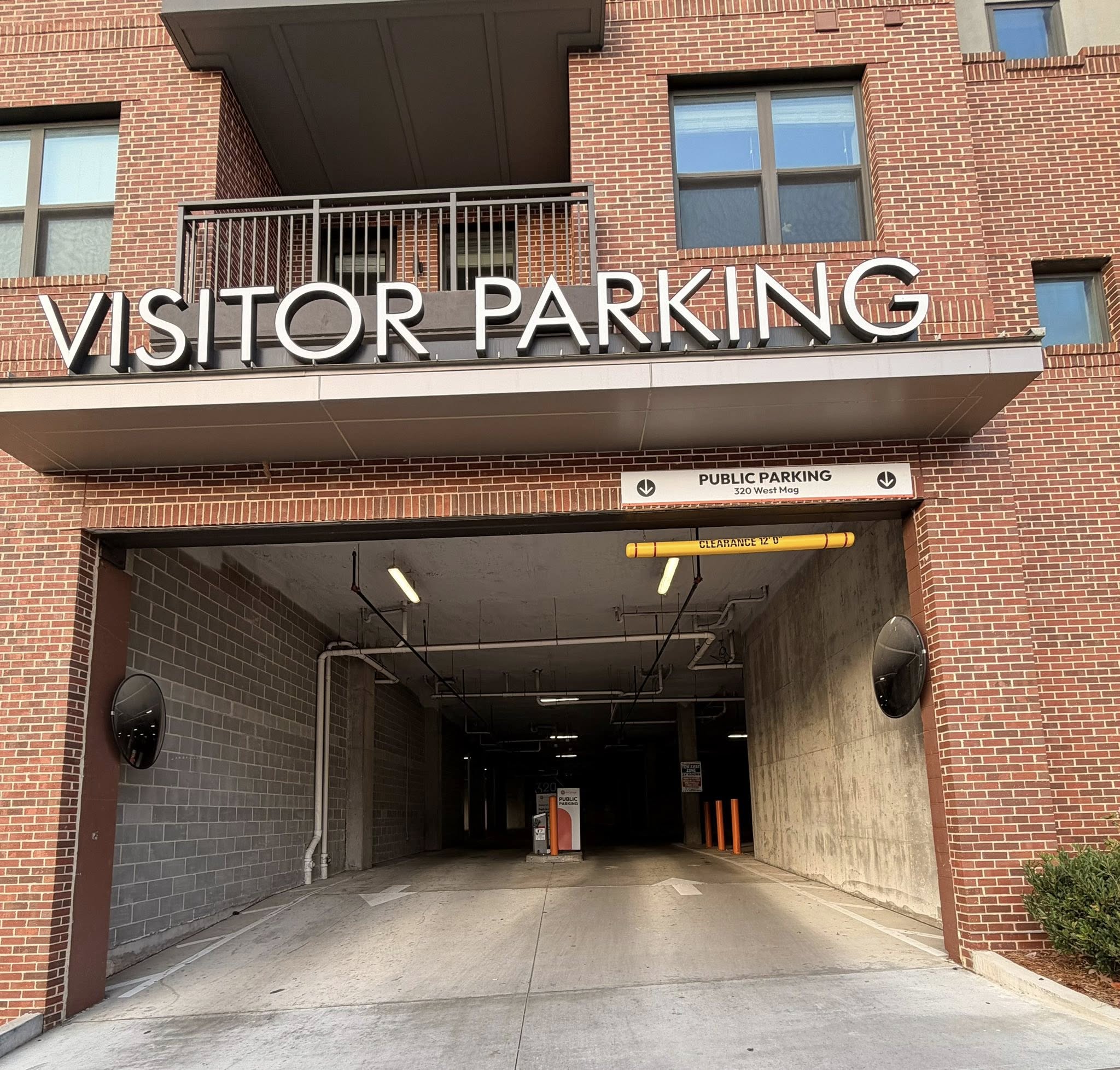
Traffic Changes with Auburn’s Calendar
Auburn traffic does not feel the same every day of the year.
University move-in periods can bring loaded vehicles, trailers, unfamiliar drivers, and additional activity around apartment communities and campus. Football weekends create temporary traffic patterns and crowded roads near the university. Graduation, student move-out, and major campus events can also affect travel.
An ordinary weekday may reveal a completely different Auburn.
When evaluating a home, consider visiting the surrounding area:
- During the morning commute
- Around lunchtime
- Late in the afternoon
- After dark
- On a regular weekday
- During a university event, when practical
For city information and local services, visit the City of Auburn (https://www.auburnalabama.org/). Buyers researching public education can review attendance, enrollment, and other information directly through Auburn City Schools (https://www.auburnschools.org/).
Always verify details that matter to your move because roads, development, attendance zones, and traffic patterns can change.
Groceries, Shopping, and Everyday Errands
When people visit Auburn, they often focus on campus, football, restaurants, and downtown. Once they live here, grocery stores, medical offices, pharmacies, banks, and everyday shopping become more important.
Auburn Mall (https://www.shopauburnalabama.com/) and the surrounding commercial areas serve many routine shopping needs. Buyers may also travel between Auburn and Opelika for work, dining, shopping, healthcare, and recreation. The two cities are closely connected, even though each has its own identity and municipal services.
Before choosing a home, make a list of the places you expect to visit regularly. Then drive those routes instead of relying only on an online map.
A home does not have to be close to everything. It should be reasonably located for the things that matter most to you.
How to Experience Auburn Before Buying
If possible, give yourself enough time to see more than the highlights.
Try this relocation test:
- Stay in Auburn during the week.
- Drive from a potential neighborhood to work or campus.
- Visit the grocery store you would probably use.
- Run several ordinary errands.
- Explore at least two or three different neighborhood settings.
- Drive the area during daylight and after dark.
- Notice road access, nearby land uses, noise, parking, and traffic.
- Repeat an important route at a different time of day.
Also consider the type of property you want. Auburn offers established neighborhoods, newer subdivisions, condominiums, townhomes, game-day properties, and homes with more yard space. The right setting depends on how you plan to live.
A Realistic Auburn Relocation Example
Imagine a buyer who visits Auburn for football weekends and initially wants to live as close to campus as possible. During a longer weekday visit, the buyer tours homes in several locations and drives the routes used for groceries, appointments, and work.
After experiencing ordinary traffic and comparing property types, that buyer may still choose a home near campus. Another buyer may decide that additional space farther away is more valuable than being within walking distance of downtown.
Neither decision is wrong. The longer visit simply turns a vacation impression into an informed housing choice.
Quick Q&A
Is Auburn a good place to live year-round?
Auburn offers university events, parks, restaurants, shopping, arts, sports, and community activities throughout the year. Whether it fits you depends on your budget, commute, preferred property type, and daily routine.
How close should I live to Auburn University?
There is no single ideal distance. Compare convenience with traffic, activity level, housing style, lot size, and price. Drive your likely routes before deciding.
Is football traffic present every day?
No. Football weekends create unusual traffic and activity. Buyers should experience both event conditions and ordinary weekdays to understand the difference.
Should I buy during my first visit to Auburn?
You can, but avoid making a decision based only on the excitement of a special event. Take time to compare neighborhoods, routes, property conditions, and everyday conveniences.
Are Auburn and Opelika easy to compare during one visit?
Yes. The cities are adjacent, and many residents travel between them regularly. However, property styles, municipal services, locations, and daily routes vary, so evaluate each property individually.
Can a REALTOR® help me understand daily life in Auburn?
A locally experienced REALTOR® can explain property types, routes, development patterns, university-related activity, and practical relocation considerations. Buyers should still experience important locations personally whenever possible.
Related Auburn Real Estate Topics
You may also want to explore:
- Living near Auburn University versus farther away
- Auburn game-day homes versus primary residences
- New construction versus established neighborhoods
- Auburn condominiums and townhomes
- Choosing between Auburn and Opelika
- Comparing commute times and neighborhood settings
- What relocation buyers should do before making an offer
Visit AuburnOpelikaALRealEstate.com for more information about Auburn homes for sale, relocation, neighborhoods, and everyday life in the Auburn–Opelika area.
Moving to Auburn Is About More Than the Highlights
Laura Sellers is an Auburn University alumna who has lived in the Auburn–Opelika area since 1988 and has been a REALTOR® for over 20 years. She is an Associate Broker with Berkshire Hathaway HomeServices Preferred Real Estate, the Official Real Estate Partner of the Auburn Tigers.

If you are preparing to move to Auburn, I can help you compare homes, neighborhood settings, proximity to Auburn University, and the practical details that affect everyday life.
Call or text me at 334-332-7263, or visit AuburnOpelikaALRealEstate.com.
Come for the highlights. Choose your home based on the life you want to live every day.
Homes, y’all!