
Auburn Homes for Sale: City or Country Living?
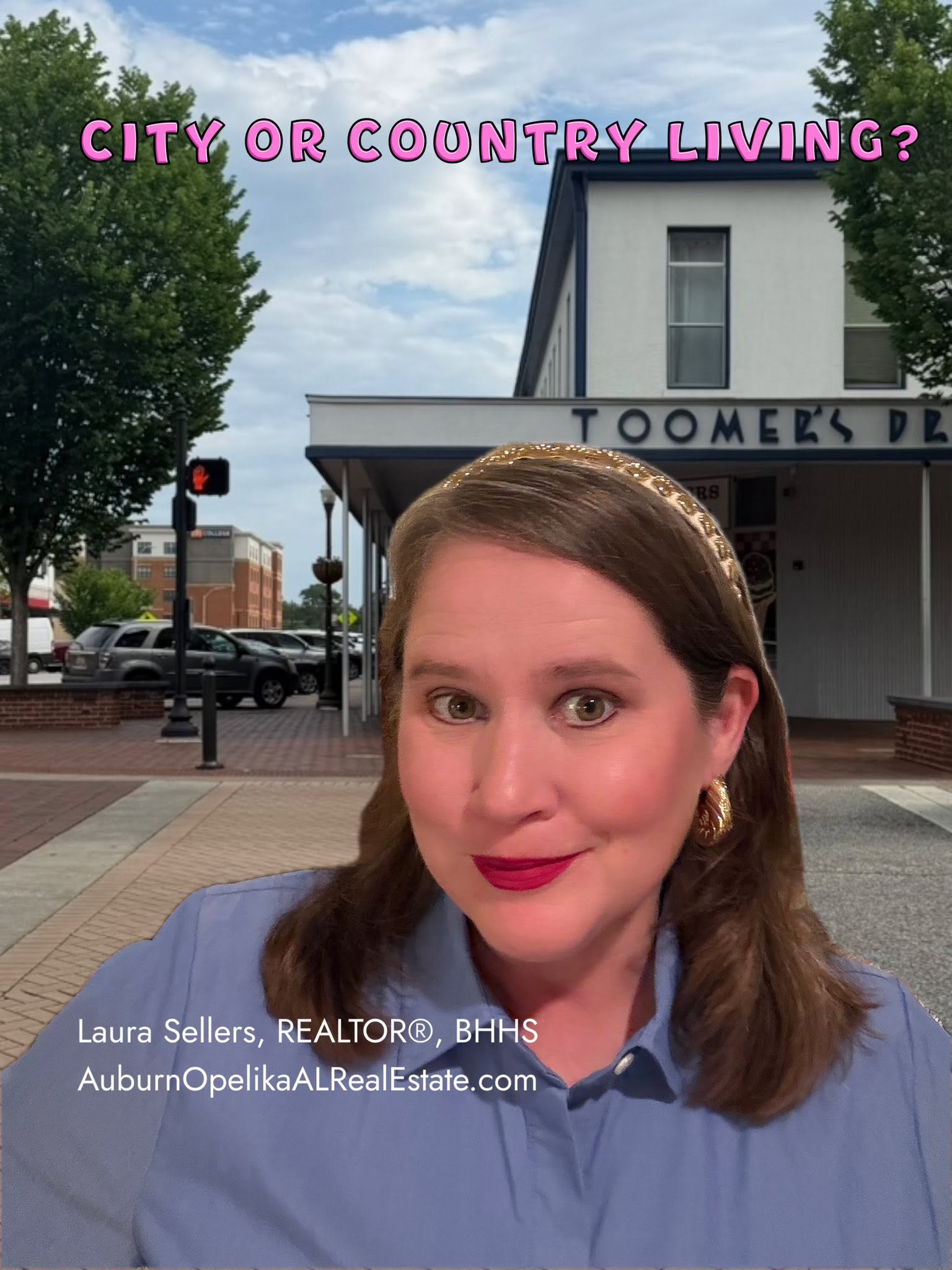
Auburn homes for sale can offer two very different lifestyles: city convenience close to Auburn University, shopping, restaurants, and events—or country living with more land, privacy, and space between neighbors. Living closer to town may simplify commuting and errands. Moving farther out may provide quiet surroundings, acreage, room for animals, workshops, gardens, or outdoor projects.
Neither choice is automatically better. The right location depends on your daily routine, budget, tolerance for maintenance, internet needs, commute, and how much space you genuinely want to manage.
This is what buyers do every day in real estate: compare two attractive lifestyles and decide which one works on an ordinary Tuesday—not only in their imagination.

Table of Contents
- What city living means in Auburn
- Benefits of living closer to town
- Possible drawbacks of city living
- Benefits of country living
- Possible drawbacks of country living
- City versus country comparison
- Utilities and internet
- Land, roads, and property maintenance
- What Auburn relocation buyers should investigate
- A realistic buyer example
- Quick Q&A
- Related Auburn real estate topics
- Contact Laura Sellers
What Does City Living Mean in Auburn?
“City living” in Auburn does not necessarily mean living in a high-rise building surrounded by nonstop traffic.
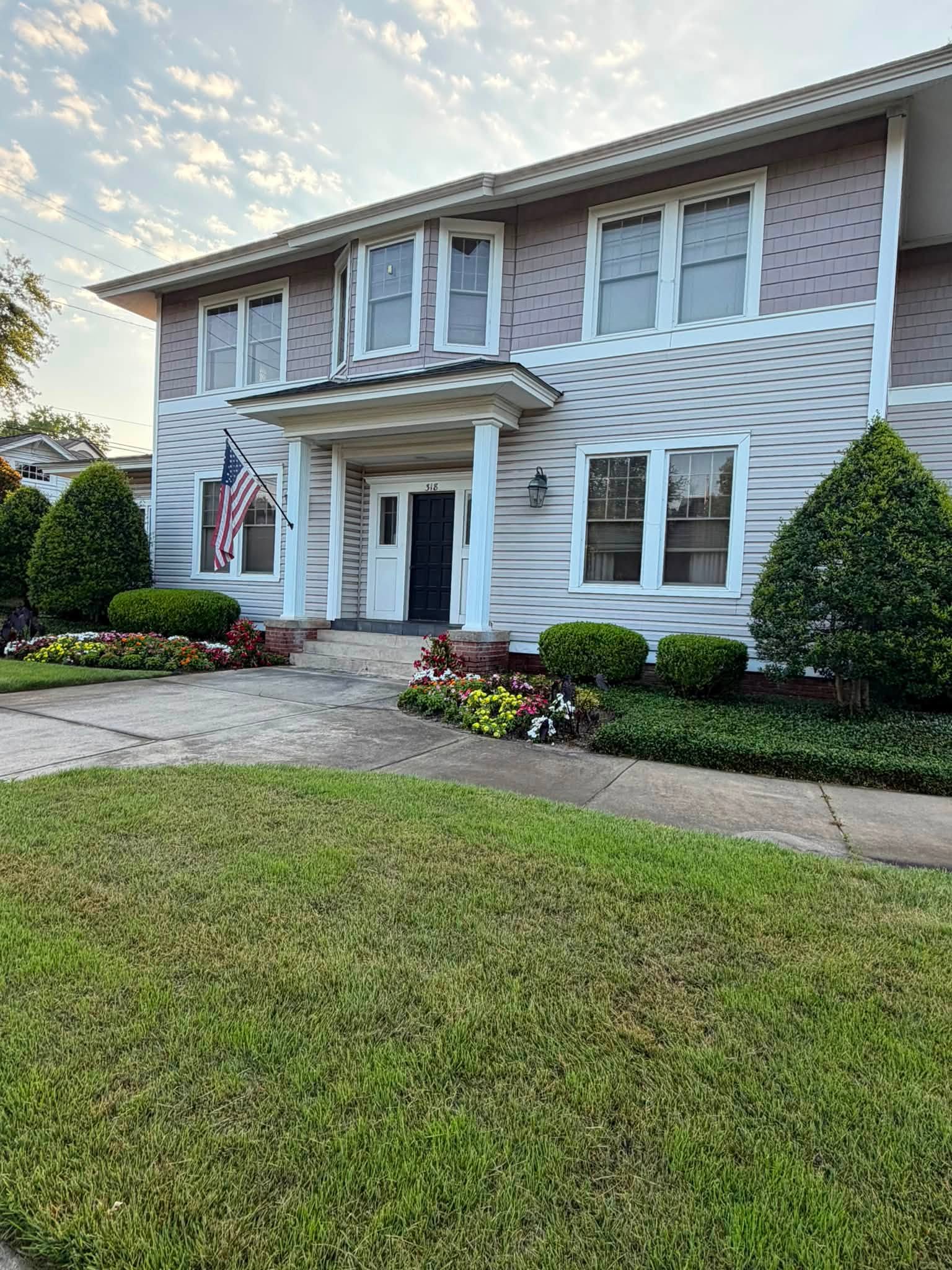
It may mean owning a condominium near Auburn University, a townhome convenient to downtown, an older house in an established neighborhood, or a newer home in a subdivision within the city limits.
Depending on the location, city living may provide easier access to:
- Auburn University
- Downtown Auburn
- Shopping
- Restaurants
- Medical offices
- Parks
- Schools
- Interstate 85
- City services
- Community events
Distance alone does not determine convenience. A house five miles from your workplace may offer a simpler commute than one located three miles away on a busier route.
Drive the routes you expect to use instead of relying only on a map.
Benefits of Living Closer to Auburn
Convenience is usually the strongest argument for city living.
A buyer may be able to reach work, campus, stores, restaurants, appointments, and activities more quickly. Some locations may also provide sidewalks, nearby parks, or shorter access to Auburn University events.
Living closer to town may appeal to buyers who:
- Work at Auburn University
- Prefer shorter commutes
- Want quick access to shopping
- Enjoy restaurants and community events
- Do not want extensive acreage
- Prefer municipal services
- Want to be near healthcare
- Travel frequently through Interstate 85
- Attend Auburn athletic events
- Value time more than additional land
A smaller property may require less mowing, fencing, driveway maintenance, and storm cleanup. That can leave more time for work, travel, family, or other activities.
The City of Auburn provides information about municipal services, including water, sewer, garbage, recycling, planning, public safety, and parks.
Buyers should verify which services are available at a specific address. An Auburn mailing address does not necessarily mean a property is located inside Auburn’s municipal limits.

Possible Drawbacks of City Living
Convenience usually involves tradeoffs.
Depending on the neighborhood, buyers may encounter:
- Smaller lots
- Homes closer together
- More traffic
- Event-related activity
- Road noise
- HOA restrictions
- Less privacy
- Limited room for outbuildings
- Higher-density development
- Ongoing construction nearby
A property close to Auburn University may experience additional pedestrian activity, football traffic, student move-in, and other campus-related events.
Another city neighborhood may feel quiet most of the year but become busier as nearby development expands.
Buyers should visit the property at different times. A peaceful Sunday morning does not necessarily reveal weekday traffic, nearby commercial activity, or the sound of an evening event.
What Does Country Living Mean Near Auburn?
Country living may involve a house on several acres, a small farm, a wooded property, or a home located beyond the denser parts of Auburn and Opelika.
The property might have an Auburn, Opelika, Waverly, Loachapoka, Notasulga, or another area address depending on its location. Boundaries, school systems, taxes, utilities, emergency services, and regulations can differ.
A country property may offer:
- More acreage
- Greater privacy
- Space between homes
- Room for a garden
- Workshops or outbuildings
- Space for recreational vehicles
- Fewer HOA restrictions
- Wooded views
- Room for animals, where permitted
- A quieter setting
For some buyers, hearing birds instead of traffic is worth a longer drive.
However, country living should not be confused with maintenance-free peace and quiet. More land usually creates more work.

Benefits of Country Living
Country living may provide something difficult to add later: space.
A larger property can allow owners to spread out, create outdoor projects, store equipment, plant gardens, build recreational areas, or simply enjoy more distance from neighboring homes.
Country living may appeal to buyers who:
- Want one or more acres
- Prefer fewer nearby neighbors
- Own large vehicles or equipment
- Need a workshop
- Want room for animals
- Enjoy gardening
- Prefer wooded surroundings
- Do not mind driving farther
- Work from home
- Value privacy over walkability
A country property may also offer fewer neighborhood restrictions, but buyers should never assume there are none. Recorded covenants, easements, zoning rules, and land-use restrictions may still apply.
Verify the documents and requirements for the specific property.

Possible Drawbacks of Country Living
A peaceful rural property may require more time, money, and planning than buyers expect.
Possible concerns include:
- Longer commutes
- Limited internet options
- Well or septic systems
- Private-road maintenance
- Long driveways
- More mowing
- Tree and storm cleanup
- Pest and wildlife activity
- Distance from healthcare
- Limited food delivery
- Fewer nearby services
- Outbuilding maintenance
- Equipment expenses
- Greater dependence on a vehicle
Ten acres may sound wonderful until you calculate how the land will be maintained.
A wooded driveway may look beautiful until a storm brings down limbs or blocks access. A distant location may feel peaceful on a weekend but inconvenient when someone must make the same commute twice every weekday.
Country living can be deeply rewarding. It simply requires an honest understanding of the work involved.
City or Country Living?
| Consideration | Auburn City Living | Country Living |
|---|---|---|
| Commute | Often shorter | Usually longer |
| Lot size | Generally smaller | Potentially larger |
| Privacy | Depends on neighborhood density | Often greater |
| Utilities | Municipal services may be available | Well, septic, propane, or rural providers may apply |
| Internet | More provider options may be available | Availability can vary by address |
| Maintenance | Less land to manage | More mowing, trees, roads, and structures |
| Shopping | Usually closer | May require a longer drive |
| Restrictions | Zoning and HOA rules may apply | Covenants and land-use rules may still apply |
| Noise | Traffic, neighbors, and events | Animals, equipment, hunting, or agricultural activity |
| Best fit | Buyers prioritizing convenience | Buyers prioritizing land and privacy |
Utilities and Internet Matter
Utilities can significantly affect the cost and convenience of a property.
A city home may have municipal water, sewer, garbage collection, and other services. A country property may use:
- A private well
- A septic system
- Propane
- A rural water authority
- Private garbage service
- Different electric or internet providers
Buyers should identify every utility before making an offer and verify service directly with the provider.
Internet deserves special attention. Do not assume that an address has reliable high-speed service because neighboring properties appear connected. The FCC National Broadband Map allows consumers to search reported internet availability by address, but buyers should still contact providers and confirm that service can actually be installed.
Someone who works from home, streams frequently, or relies on internet-connected medical or security devices should make this a priority.
Land, Roads, and Property Boundaries
A larger parcel requires more investigation than simply walking around the house.
Buyers may need to evaluate:
- Surveyed boundaries
- Easements
- Driveway access
- Road ownership
- Road-maintenance agreements
- Drainage
- Flood risk
- Timber
- Fencing
- Outbuildings
- Soil conditions
- Septic location
- Well location
- Utility access
- Neighboring land uses
The Lee County GIS and Mapping Department provides access to tax maps and parcel information. However, tax maps are not substitutes for a boundary survey.
A fence, driveway, or mowed area does not necessarily establish the legal property line.
What Auburn Relocation Buyers Should Investigate
When comparing Auburn homes for sale, test both lifestyles before deciding.
For a city property, investigate:
- Actual commute times
- Traffic at different hours
- Nearby development
- Sidewalks and road access
- Parking
- HOA restrictions and expenses
- University-related activity
- Municipal services
- Noise
- Lot size and privacy
For a country property, investigate:
- Internet availability
- Well and septic condition
- Road access and maintenance
- Survey and boundaries
- Easements
- Land-management costs
- Emergency-service access
- Distance to shopping and healthcare
- Restrictions on animals or outbuildings
- Neighboring agricultural or recreational uses
Buyers can begin comparing city neighborhoods through my Auburn subdivisions and neighborhoods page.
For rural properties, plan enough time to understand the house and the land. A standard residential inspection may not address every feature of acreage, private utilities, fences, barns, ponds, or access roads.
A Realistic Auburn Buyer Example
Imagine buyers relocating to Auburn who say they want five acres, complete privacy, and no nearby neighbors.
They tour a beautiful country property and love the setting. Then they drive the route to Auburn University during the morning commute, investigate the internet service, and calculate the time and equipment needed to maintain the land.
They realize that they want privacy—but not necessarily five acres.
A home on a larger city lot or at the edge of Auburn may provide the balance they need.
Another buyer may tour a convenient city subdivision and decide the neighboring houses feel too close. That buyer may happily accept a longer drive in exchange for acreage and quiet.
The important question is not which lifestyle sounds better. It is which set of tradeoffs you are willing to live with every day.
Quick Q&A
Is it cheaper to live outside Auburn?
Not always. The purchase price may differ, but buyers must also consider fuel, maintenance, private utilities, equipment, insurance, and travel time.
Does an Auburn address mean a home is inside the city limits?
No. Mailing addresses and municipal boundaries are not always the same. Verify the property’s jurisdiction and available services.
Can I keep animals on country property?
Possibly, but zoning, covenants, acreage, fencing, and animal-specific regulations may apply. Verify before purchasing.
Do rural homes have reliable internet?
Some do, while availability at others may be limited. Research the exact address and confirm installation with providers.
Should I inspect a septic system?
Yes. Buyers should consider an appropriate evaluation of private septic and well systems when applicable.
Is living near Auburn University noisy?
That depends on the specific property, nearby roads, housing types, events, and distance from campus. Visit at different times.
How much acreage should I buy?
Buy enough land to support your intended use without creating more expense and maintenance than you want to manage.
Can a REALTOR® help with rural property?
A REALTOR® can help identify relevant questions and contract considerations, but specialized inspectors, surveyors, lenders, attorneys, and other professionals may also be needed.
Related Auburn Real Estate Topics
If you are comparing Auburn homes for sale, you may also want to explore:
- Living near Auburn University versus farther away
- Auburn versus Opelika
- Larger backyard versus three-car garage
- New construction versus mature trees
- HOA neighborhood versus no HOA
- Wooded lot versus open land
- City utilities versus well and septic
- Walkable location versus greater privacy
Visit AuburnOpelikaALRealEstate.com for Auburn–Opelika home-buying, selling, and relocation information.
Choose the Lifestyle That Fits Your Ordinary Day
Laura Sellers is an Auburn University alumna who has lived in the Auburn–Opelika area since 1988 and has been a REALTOR® for over 20 years. She is an Associate Broker with Berkshire Hathaway HomeServices Preferred Real Estate, the Official Real Estate Partner of the Auburn Tigers.

If you are comparing Auburn homes for sale, I can help you evaluate city neighborhoods, properties farther from town, commute routes, utilities, acreage, and the practical tradeoffs that affect everyday life.
Call or text me at 334-332-7263, or visit AuburnOpelikaALRealEstate.com.
City convenience or country privacy? Let’s find the setting that feels like home.
Homes, y’all!