
Auburn Homes for Sale: Brick or Painted Brick?
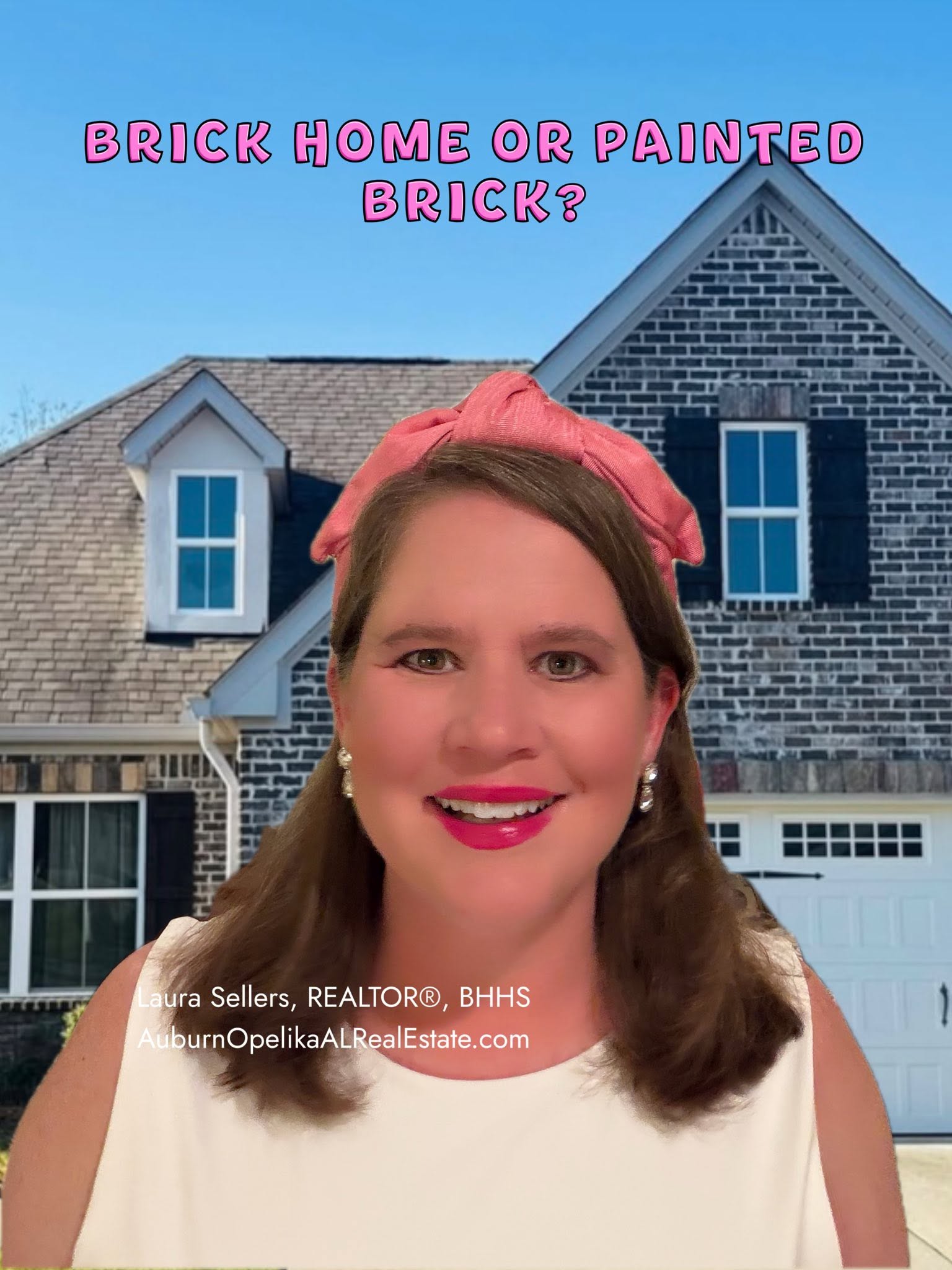
When comparing Auburn homes for sale, would you choose classic brick or painted brick?
Traditional brick offers timeless color, texture, and relatively low exterior maintenance. Painted brick can give an older home a dramatic update and create the lighter, cleaner appearance many buyers love.
But there is one important difference: once brick is painted, you have added paint maintenance to a material that originally did not require it.
In other words, painted brick may be beautiful—but it is not a maintenance-free magic trick.
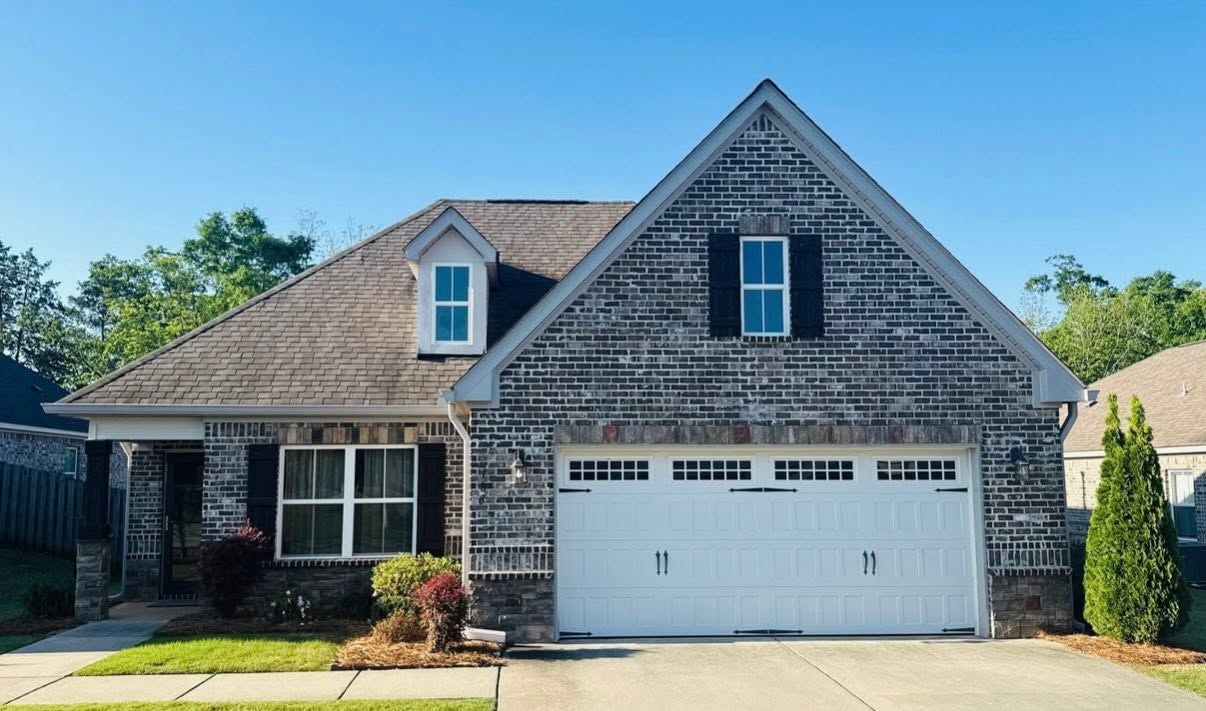
Table of Contents
- Brick versus painted brick
- Benefits of traditional brick
- Why buyers like painted brick
- Maintenance differences
- What buyers should inspect
- Can painted brick be restored?
- Questions to ask before buying
- Quick Q&A
- Finding the right Auburn home
Auburn Homes for Sale: Which Brick Exterior Wins?
Curb appeal matters. The exterior is usually the first thing buyers see online and the first thing they experience when arriving for a showing.
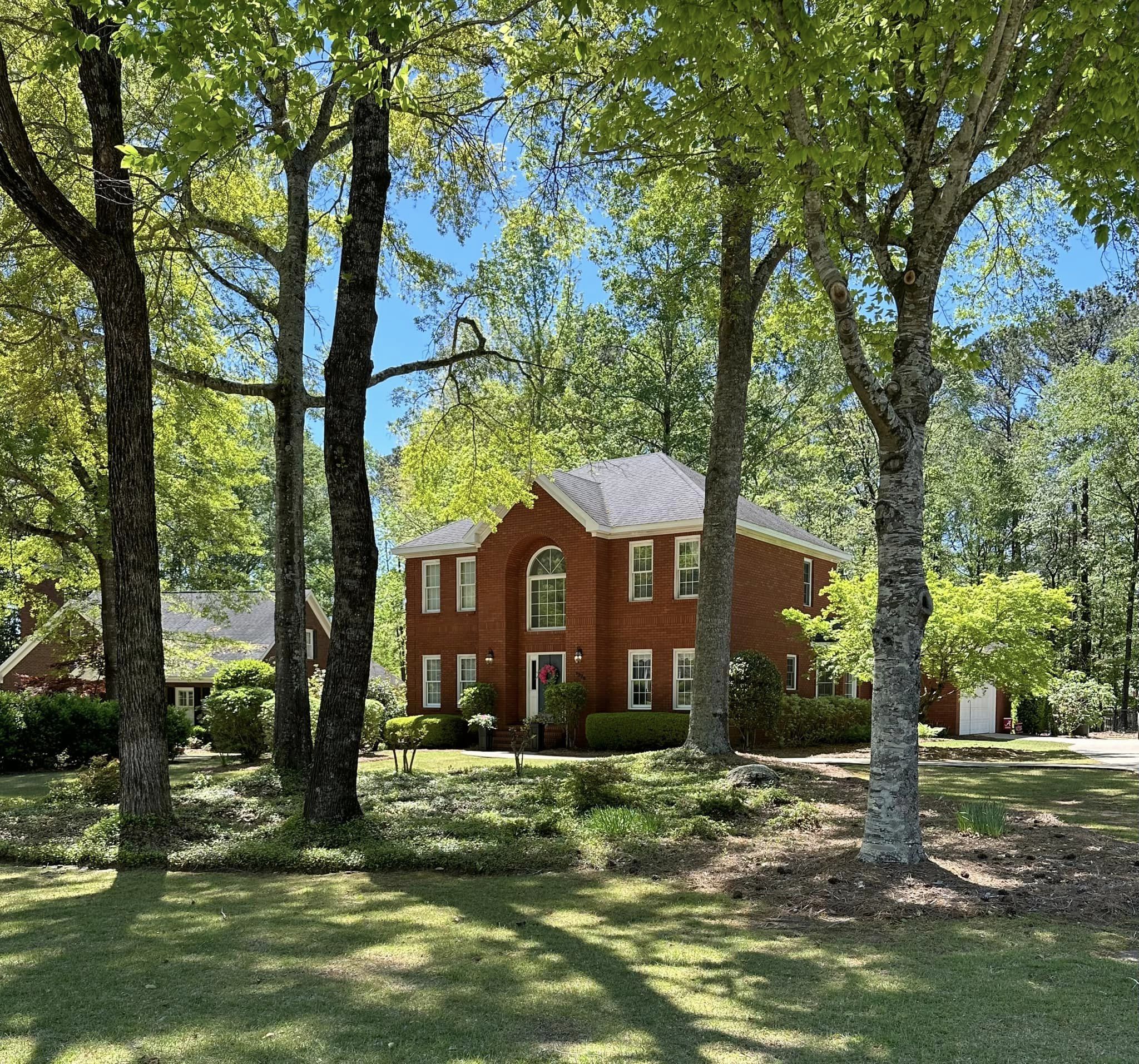
Traditional brick can make a home feel established, durable, and timeless. Painted brick can make the same architectural style appear brighter, fresher, or more contemporary.
Here is a quick comparison:
| Feature | Traditional Brick | Painted Brick |
|---|---|---|
| Appearance | Natural color and texture | Updated or customized color |
| Maintenance | Generally requires less finish maintenance | May eventually require cleaning, repair, or repainting |
| Design flexibility | Color is difficult to change | Exterior color can be changed again |
| Weathering | Natural variations may be less noticeable | Peeling, fading, stains, and touch-ups may be more visible |
| Reversibility | Can usually be painted later | Returning to natural brick may be difficult |
| Buyer appeal | Attractive to buyers who prefer classic materials | Attractive to buyers who prefer a lighter or updated look |
| Inspection concerns | Mortar, cracks, drainage, and previous repairs | Those concerns plus paint condition and surface preparation |
Neither option is universally better. The home’s condition, architectural style, workmanship, maintenance history, and your personal taste all matter.
Why Buyers Choose Traditional Brick
Classic brick has survived decades of design trends for a reason. It usually does not wake up one morning and decide it is no longer fashionable.
Potential advantages include:
- Natural color and texture
- No exterior paint color to maintain
- A traditional appearance
- Compatibility with many architectural styles
- Less-visible minor weathering
- The option to paint it later
- Established curb appeal
Traditional brick still requires inspection and maintenance. Mortar joints can deteriorate, cracks can develop, drainage can cause staining, and previous repairs may be visible.
“Low maintenance” does not mean “ignore it forever.”
Why Buyers Love Painted Brick
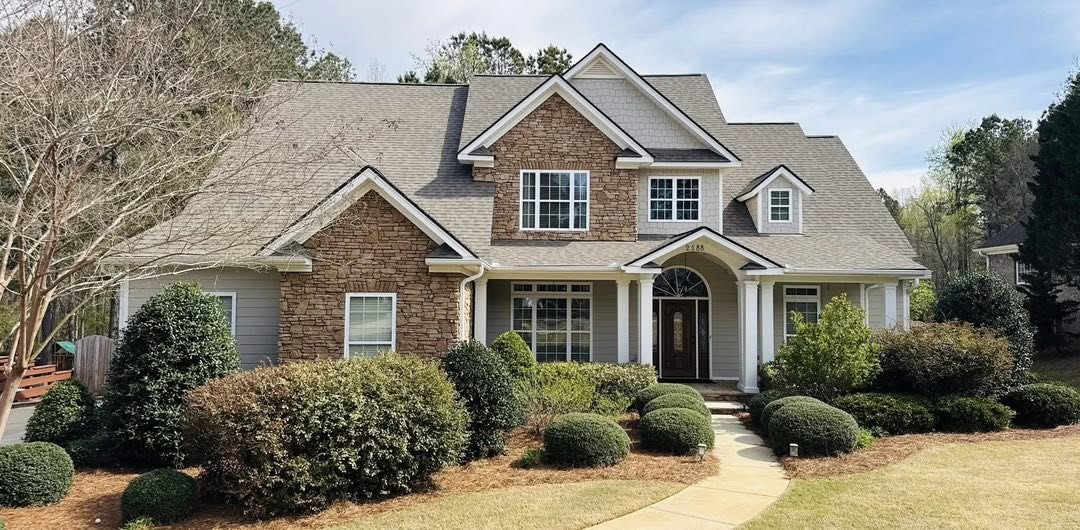
Painted brick can completely change a home’s appearance.
White, cream, gray, charcoal, and other exterior colors can make an older house feel updated without changing its basic architecture. Painted brick can also highlight shutters, doors, trim, landscaping, and rooflines.
Potential benefits include:
- A brighter exterior
- Updated curb appeal
- Greater color flexibility
- A more uniform appearance
- The ability to coordinate exterior features
- Coverage of unattractive or mismatched brick colors
- A dramatic transformation without replacing the brick
Painted brick may especially appeal to buyers who love a clean, modern Southern exterior.
Of course, white painted brick also has a talent for displaying red clay, mildew, splash marks, and whatever else Alabama weather throws at it. Pretty sometimes comes with chores.

The Maintenance Difference
The biggest practical difference is the finish.
Unpainted brick is a natural masonry surface. Painted brick has an applied coating that may eventually fade, peel, blister, chalk, stain, or require repainting.
Maintenance needs depend on:
- The brick’s original condition
- How the surface was prepared
- The type of coating used
- Quality of application
- Sun exposure
- Moisture and drainage
- Landscaping near the walls
- Previous repairs
- Age of the paint
A properly prepared and coated exterior may perform well for years. Poor preparation or trapped moisture may lead to problems much sooner.
Before buying, ask when the brick was painted, who completed the work, what product was used, and whether records or warranties are available.
Paint Is Not the Only Brick Finish
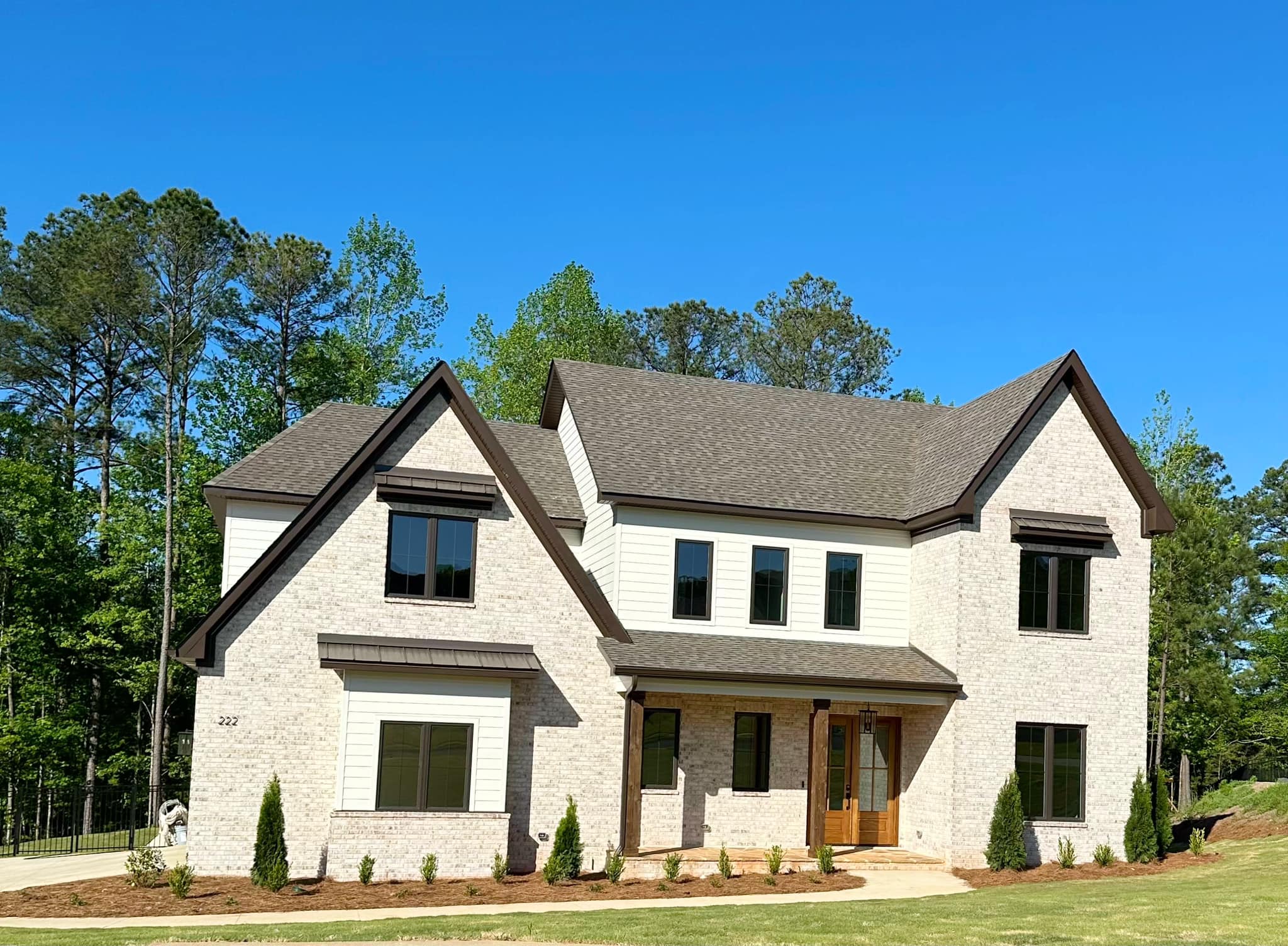
Not every lightened brick exterior is covered with traditional paint.
Other treatments may include:
- Limewash
- Mineral-based coatings
- Masonry stain
- German schmear
- Whitewash
- Partial paint or accent treatments
These finishes do not all perform or age the same way. Some penetrate the masonry, while others create a surface coating. Some intentionally allow variations in the brick to remain visible.
Do not assume every white brick house received the same treatment. Ask what was applied before deciding how it should be maintained or changed.
What Buyers Should Inspect
When touring Auburn homes for sale, look beyond the exterior color.
Check for:
- Stair-step cracks in brick or mortar
- Wide or recently patched cracks
- Deteriorating mortar joints
- Bulging or displaced areas
- Gaps around windows and doors
- Missing or damaged bricks
- Peeling or bubbling paint
- Dark stains or mildew
- White mineral deposits
- Splashback near the foundation
- Poor drainage or overflowing gutters
- Shrubs holding moisture against the wall
- Fresh paint limited to one suspicious area
A freshly painted exterior may be a legitimate improvement. It may also make previous repairs or moisture stains more difficult to see.
That does not mean buyers should distrust every painted home. It means the inspection should focus on the masonry beneath the attractive finish.
Moisture Matters
Brick is porous, and exterior wall systems must manage water correctly.
Painted brick problems are sometimes blamed entirely on paint when gutters, roof runoff, grading, flashing, plumbing leaks, or landscaping may be contributing to moisture.
Pay attention to:
- Gutters and downspouts
- Soil sloping toward the house
- Irrigation spraying the walls
- Missing or blocked drainage openings
- Roof and window flashing
- Water collecting near the foundation
- Recurring stains after rain
A qualified home inspector can identify visible concerns. Depending on the findings, additional evaluation by a masonry professional, contractor, engineer, roofer, or other specialist may be appropriate.
Can Painted Brick Be Returned to Its Original Look?
Sometimes—but buyers should not assume that removing paint will be easy, inexpensive, or successful.
Brick is textured and porous. Paint can enter small openings and become difficult to remove completely. Aggressive removal methods may damage the brick face or mortar.
The final appearance may also be inconsistent if:
- The original brick had repairs
- Multiple paint layers were applied
- Different products were used
- Parts of the brick absorbed more coating
- The brick was painted to conceal mismatched areas
If you dislike painted brick, buying it with plans to uncover perfect original brick could become an expensive gamble. Obtain professional advice and realistic estimates first.
Should You Paint Natural Brick After Buying?
That decision deserves more thought than choosing a paint sample and calling somebody with a ladder.
Before painting, consider:
- Do I genuinely dislike the existing brick?
- Does the color complement the home’s architecture?
- Am I prepared for future paint maintenance?
- Are there existing cracks or moisture concerns?
- What coating is appropriate for masonry?
- How will the color look in direct sun and shade?
- Does the HOA regulate exterior colors?
- Could changing the brick affect future buyer appeal?
- Is limewash or stain a better option?
- Am I comfortable making a difficult-to-reverse change?
If the brick is in good condition, try visualizing less-permanent updates first. A different front door, shutters, lighting, landscaping, trim color, or roof may change the overall appearance without coating the brick.
A Buyer’s Brick Decision
A buyer may initially prefer painted brick because it looks fresh and updated in photographs. During the showing, the buyer may notice peeling near the foundation, stains below the windows, or areas that need touch-ups.
Another buyer may dismiss a traditional red-brick home online but discover that the classic exterior looks much better in person—especially with mature landscaping and an attractive entry.
Curb appeal matters, but condition matters more.
You can change a front door color over a weekend. Repairing masonry or reversing an exterior coating is a much bigger project.
Questions to Ask During a Showing
Before choosing traditional or painted brick, ask:
- Is the brick structural or a veneer?
- Are there visible cracks or repairs?
- When was the exterior last inspected?
- If painted, when was the coating applied?
- What type of product was used?
- Was the brick professionally prepared?
- Are invoices or warranties available?
- Is repainting currently needed?
- Are there moisture or drainage concerns?
- Does the HOA regulate exterior changes?
- What maintenance should I budget for?
- Do I like the exterior enough to keep it as it is?
Buyers can explore Auburn subdivisions (https://auburnopelikaalrealestate.com/auburn-al-subdivisons/) and review local information through the City of Auburn (https://www.auburnal.gov/).
If schools are part of your search, verify attendance zones and enrollment details directly through Auburn City Schools (https://www.auburnschools.org/).
Quick Q&A
Is traditional brick maintenance-free?
No. Brick and mortar should still be monitored for cracks, deterioration, staining, drainage issues, and necessary repairs. It generally does not require routine repainting.
Does painted brick require more maintenance?
It can. Depending on the coating, preparation, exposure, and moisture conditions, painted brick may eventually require cleaning, touch-ups, repairs, or repainting.
Is painted brick bad for the house?
Not automatically. Performance depends on the masonry, preparation, coating, application, and moisture management. Have visible concerns professionally evaluated.
Can I remove paint from brick?
Paint removal may be difficult, costly, and imperfect. Aggressive methods can damage masonry. Consult an experienced professional before attempting it.
Does painted brick increase home value?
It may improve curb appeal for some buyers, but others prefer natural brick. Value depends on workmanship, condition, architecture, location, and market preferences.
Should I worry about cracks in brick?
Not every small crack indicates a major problem, but some patterns deserve further evaluation. A qualified inspector or engineer can advise based on the specific condition.
Can an HOA prevent me from painting brick?
Possibly. Review the governing documents and approval process before making exterior changes.
Related Topics
- New construction versus established homes
- Front yard shade versus backyard privacy
- Move-in-ready homes versus fixer-uppers
- Open floor plans versus defined rooms
- Luxury bathroom versus larger closet
- Exterior maintenance buyers may overlook
- Questions to ask before buying an Auburn home
Find an Auburn Home With the Right Curb Appeal
Whether you prefer timeless natural brick or the updated look of painted brick, I can help you compare Auburn homes for sale and look beyond the exterior photographs.
Laura Sellers is an Auburn University alumna who has lived in the Auburn–Opelika area since 1988. She has been a REALTOR® for more than 20 years and is an Associate Broker with Berkshire Hathaway HomeServices Preferred Real Estate, the Official Real Estate Partner of the Auburn Tigers.

Call or text Laura at 334-332-7263 or search for local properties at AuburnOpelikaALRealEstate.com (https://auburnopelikaalrealestate.com/).
Which gets your vote: classic brick or painted brick?
Homes, y’all!
#AuburnHomesForSale #AuburnAlabama #AuburnRealEstate #AuburnRealtor #MovingToAuburn #PaintedBrick #BrickHome #HomesYall