
Auburn Condos for Sale: WAIT Before You Buy Near AU

Auburn condos for sale can look like an easy decision: choose a price, count the bedrooms, measure the distance to Auburn University, and make an offer. But stop before you buy. The real decision is usually more complicated because location, rental potential, HOA finances, use restrictions, financing, condition, and future resale all interact.
This matters especially for parents purchasing an Auburn condo for a student or buyers searching for a game-day property.
Some condos look attractive online but may not fit the buyer’s long-term plan. Others may not photograph as impressively but offer a location, floor plan, parking arrangement, or ownership structure that better supports resale.
I am working with buyers right now who could have focused on the wrong factors without asking more questions.
No condominium complex is guaranteed to increase or hold its value. However, an experienced local REALTOR® can help you research the history, restrictions, competition, and practical details before you commit.

Table of Contents
- Why price should not be the only consideration
- Location means more than distance
- Rental potential requires verification
- HOA finances and condominium documents
- Financing can affect resale
- Parking, bedrooms, and floor plans
- Condition and deferred maintenance
- Location versus rental potential versus resale
- Questions buyers should ask
- A realistic Auburn condo example
- Quick Q&A
- Related Auburn real estate topics
- Contact Laura Sellers
Why Price Should Not Be the Only Consideration
A lower price can attract immediate attention, but buyers need to understand why one Auburn condo costs less than another.
Possible reasons include:
- Greater distance from campus
- An older or less functional floor plan
- Limited parking
- Higher HOA dues
- Upcoming assessments
- Deferred maintenance
- Rental restrictions
- Financing limitations
- Fewer owner-occupants
- Strong competition from similar units
- Location within the complex
- Condition of the individual unit
- Age of major community systems
A lower price is not automatically a warning sign. It may represent a good opportunity for the right buyer.
The problem occurs when someone buys based on price without understanding how those other factors could affect use, financing, ownership costs, and resale.
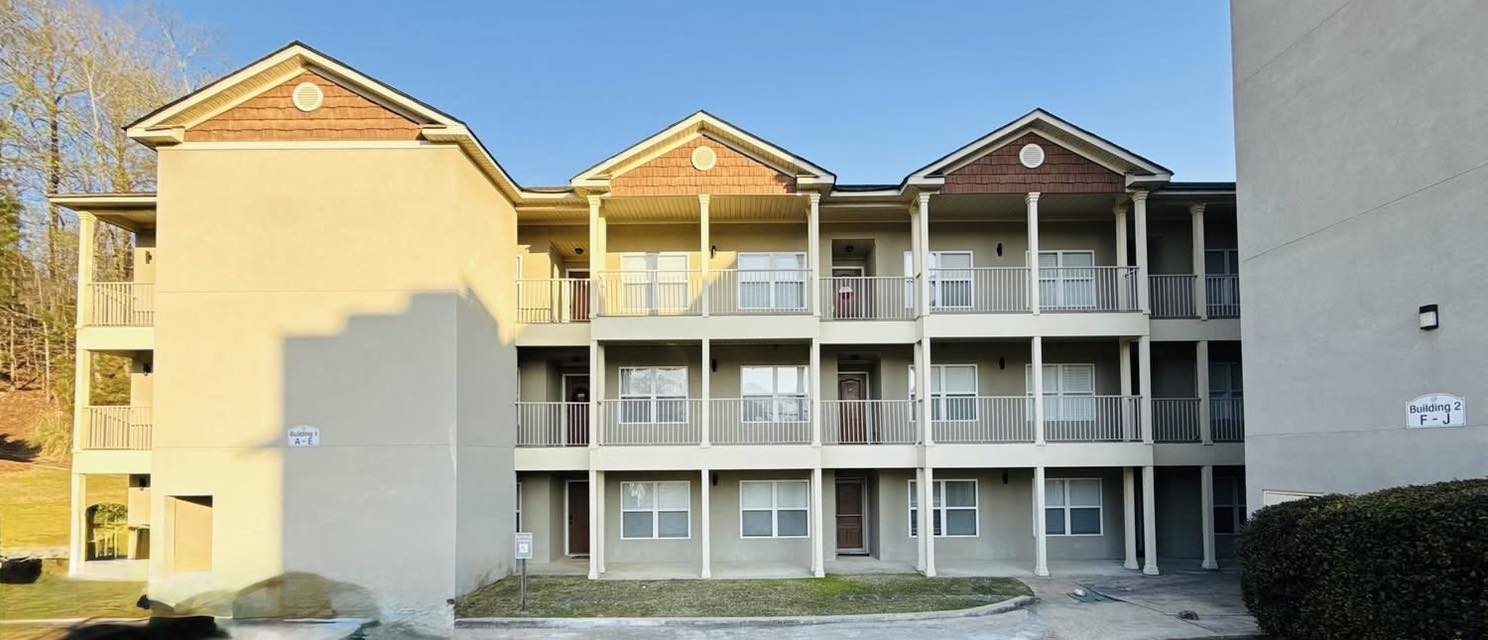
Location Means More Than Miles from Campus
“Near Auburn University” needs a specific definition.
Does the buyer want to:
- Walk to campus?
- Reach a particular university building?
- Use Tiger Transit?
- Drive to campus?
- Attend football games?
- Visit only a few weekends each year?
- Avoid relying on a vehicle?
- Stay close to Downtown Auburn?
- Have convenient interstate access?
A condo advertised as close to Auburn University may still require driving. Another property located farther away may have a transportation option that makes it more practical for a particular student.
The official Auburn University Campus Map can help buyers identify the exact campus destination that matters.
Buyers should personally test the walking or driving route. Consider sidewalks, hills, lighting, road crossings, weather, parking, and traffic—not merely the mileage displayed online.

Rental Potential Requires More Than an Online Estimate
Some buyers assume they can rent the condo whenever their student graduates or during weekends when they are not using it.
That may or may not be possible.
Rental potential can be affected by:
- HOA restrictions
- Minimum lease terms
- Short-term rental rules
- City licensing requirements
- Zoning
- Unrelated occupancy limits
- Parking limits
- Management requirements
- Lender rules
- Insurance
- Competition from other rental units
- Seasonal demand
The City of Auburn has specific information about short-term rentals and unrelated occupancy. Rules depend on the property, zoning, proposed use, and other circumstances.
An HOA can also impose restrictions that are different from municipal rules. A use permitted by the city may still be prohibited by the condominium documents.
Never purchase an Auburn condo based on the assumption that you can rent it. Verify the city requirements, HOA documents, insurance, lender requirements, and proposed use before closing.
Rental income and future demand are never guaranteed.
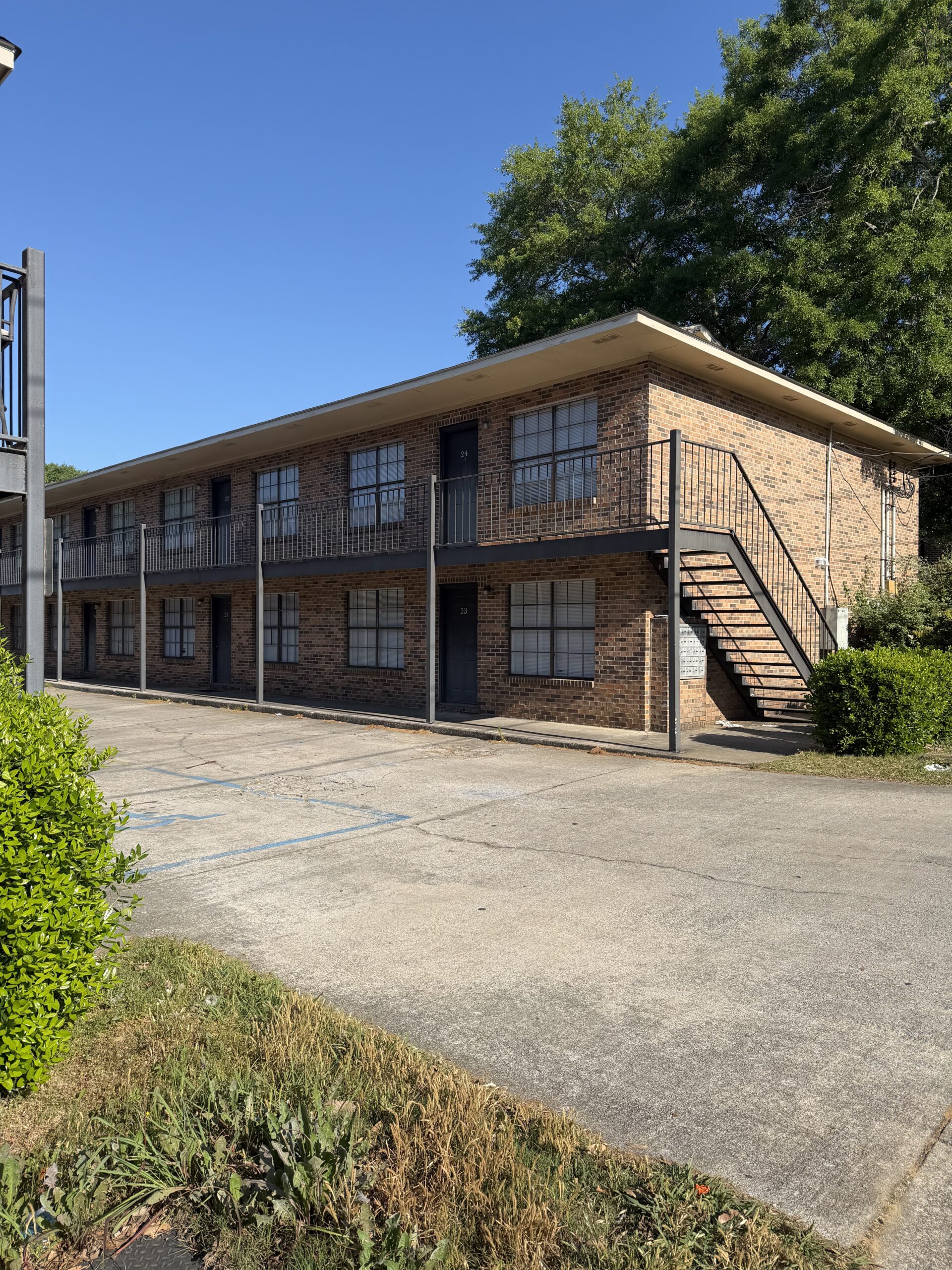
Read the HOA and Condominium Documents
When buying a condominium, you are purchasing the unit and an interest in the larger community.
The condition and finances of the entire association matter.
Review available documents such as:
- Declaration
- Bylaws
- Rules and regulations
- Current budget
- Reserve information
- Recent meeting minutes
- Insurance information
- Pending assessments
- Litigation disclosures
- Rental restrictions
- Pet restrictions
- Parking rules
- Maintenance responsibilities
Ask what the monthly dues cover.
They may include some combination of exterior maintenance, landscaping, insurance, pest control, water, garbage, amenities, management, or reserve contributions. Coverage varies by association.
Low HOA dues may sound appealing, but they are not necessarily better if the association is failing to reserve enough money for roofing, paving, drainage, exterior repairs, or other major expenses.
High dues are not automatically bad either. Buyers need to understand what they receive and whether the association appears financially prepared.
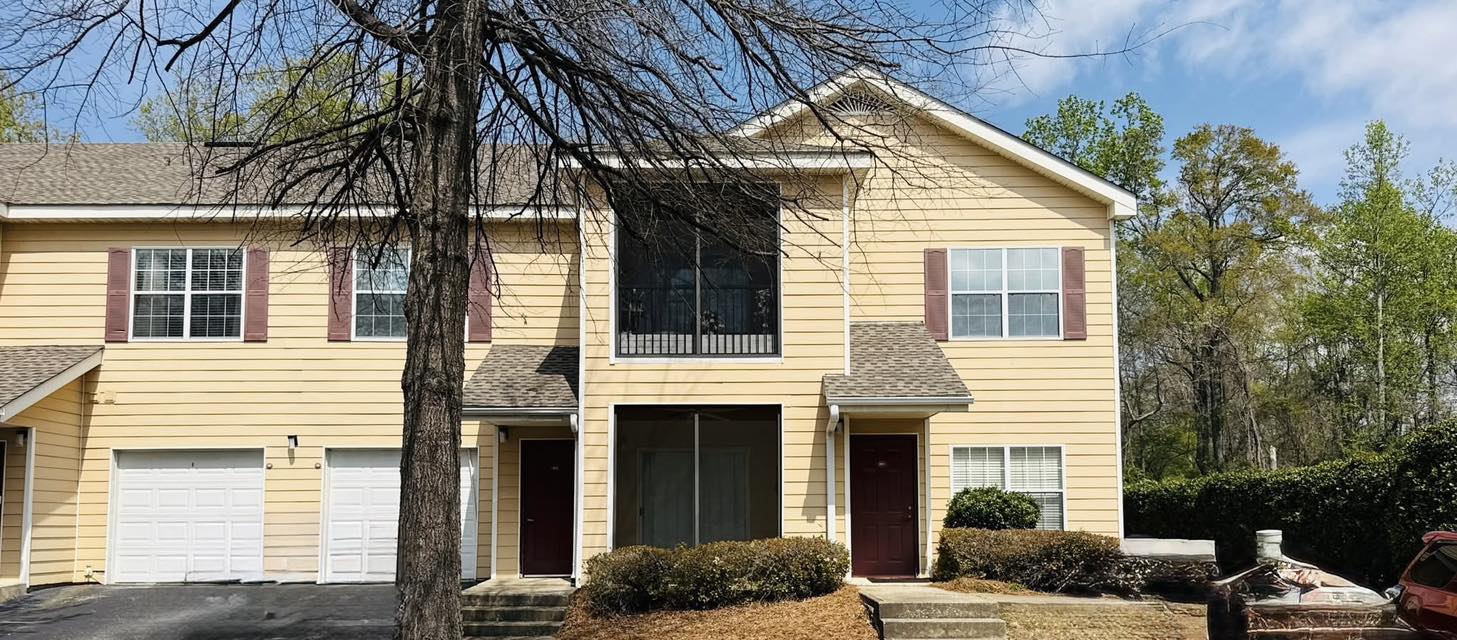
Financing Can Affect the Condo’s Future Buyer Pool
Condominium financing can be more complicated than financing a detached house.
Lenders may evaluate:
- Owner-occupancy levels
- Insurance
- Association finances
- Delinquencies
- Litigation
- Commercial space
- Deferred maintenance
- Concentration of ownership
- Project approval
- The individual borrower
A buyer paying cash today may not care whether a complex qualifies for a particular loan. That issue could still matter later if the future buyer needs financing.
HUD provides a searchable database of FHA-approved condominium projects, although FHA may also have a process for qualifying individual units in certain circumstances. Buyers should discuss the current project and loan requirements with a knowledgeable lender.
Do not wait until the end of the transaction to determine whether the chosen loan works for the condominium.
Parking, Bedrooms, and Floor Plans Matter
Two condos with the same bedroom count may function very differently.
Compare:
- Number of parking spaces
- Assigned versus unassigned parking
- Guest parking
- Bedroom sizes
- Private versus shared bathrooms
- Closet space
- Laundry location
- Stairs
- Exterior access
- Balcony or patio
- Storage
- Unit location
- Noise transfer
- Distance from parking to the door
Parents may focus on the number of bedrooms because they expect roommates to share expenses. However, occupancy limits, parking, bathroom arrangements, and rental rules may determine whether that plan is practical.
A three-bedroom condo is not automatically more marketable than a two-bedroom unit. The entire floor plan and ownership experience matter.
Condition and Deferred Maintenance
Buyers should evaluate both the unit and the complex.
Inside the condo, investigate:
- HVAC age
- Water heater
- Appliances
- Plumbing fixtures
- Flooring
- Windows
- Electrical components
- Signs of moisture
- Previous renovations
Outside the unit, consider:
- Roofs
- Siding or masonry
- Stairs and railings
- Drainage
- Parking lots
- Retaining walls
- Landscaping
- Common-area lighting
- Amenities
- Exterior maintenance
Responsibility depends on the condominium documents. Do not assume the HOA repairs everything outside or the owner repairs everything inside.
A fresh interior can distract buyers from expensive community issues. Attractive new flooring will not compensate for an association facing major unfunded repairs.
Location Versus Rental Potential Versus Resale
These three considerations may point buyers toward different properties.
| Priority | What to Examine |
|---|---|
| Location | Actual route to campus, walkability, transportation, parking, and nearby activity |
| Rental potential | HOA restrictions, zoning, occupancy, lease terms, demand, expenses, and management |
| Resale | Sales history, buyer pool, financing, HOA condition, competing inventory, and property condition |
| Student use | Campus destination, roommates, parking, security features, floor plan, and daily convenience |
| Game-day use | Stadium access, parking, storage, HOA rules, frequency of use, and ownership expenses |
| Long-term ownership | Dues, assessments, reserves, maintenance, insurance, taxes, and future plans |
The best condo is not necessarily the one closest to campus, the least expensive, or the one with the highest estimated rent.
It is the one whose location, restrictions, costs, and likely buyer pool align with your plan.
What Does “Hold Value” Actually Mean?
No REALTOR® can promise that a particular condominium will appreciate or hold its value.
Market conditions change. Auburn University grows. New developments compete with older complexes. Interest rates affect financing. HOA decisions influence ownership costs. Buyer preferences evolve.
However, a locally experienced REALTOR® can help you investigate:
- Previous sales within the complex
- Length of time units remained on the market
- Differences among floor plans
- HOA fees and assessments
- Rental and occupancy rules
- Parking
- Condition
- Competing developments
- Proximity to relevant destinations
- Financing considerations
That research does not predict the future. It helps buyers avoid making a major decision based only on attractive photographs or an online estimate.
Questions to Ask Before Buying an Auburn Condo
Before making an offer, ask:
- What is my primary purpose for the property?
- How long do I expect to own it?
- What do the HOA dues cover?
- Are any assessments pending or being discussed?
- What rental restrictions apply?
- Is short-term rental permitted by both the city and HOA?
- What are the unrelated occupancy limits?
- How many parking spaces are available?
- Can my financing be used for this complex?
- What major maintenance has the association completed?
- Are reserves available for future repairs?
- How have comparable units sold?
- What competing condos are nearby?
- Is the route to campus genuinely practical?
- What happens when my student graduates?
The last question is especially important.
Will you sell, rent, keep the condo for game days, allow another family member to use it, or convert it to another purpose? Your likely exit plan should influence the original purchase.
A Realistic Auburn Condo Example
Imagine parents comparing two Auburn condos.
The first is less expensive and looks beautifully renovated online. However, the buyers have not yet investigated parking, HOA reserves, financing, rental rules, or the actual route to their student’s campus building.
The second costs more and appears less impressive in photographs, but it has a floor plan that fits the student, practical parking, an established sales history, and a location the family understands.
The first condo may still be the right choice—but only after the unanswered questions are resolved.
I am working with buyers right now who could have concentrated on the purchase price and surface appearance without fully considering long-term use and resale.
That is exactly why local experience matters.
Quick Q&A
Are Auburn condos a good investment?
Some buyers have successful ownership experiences, but no condo or rental income is guaranteed. Evaluate the purchase price, expenses, restrictions, condition, financing, and exit plan.
Can I rent my Auburn condo to students?
Possibly. Verify HOA rules, zoning, unrelated occupancy limits, licensing requirements, insurance, and lease restrictions.
Can I use an Auburn condo as a short-term rental?
Not automatically. City regulations and HOA documents may restrict or prohibit short-term rentals. Obtain current information before buying.
Do I need a home inspection for a condo?
Yes. An inspection can help identify concerns within the unit, although additional investigation of the association and common elements is also important.
Why do HOA reserves matter?
Reserves help an association pay for major future repairs. Inadequate funding may contribute to deferred maintenance or special assessments.
Can every Auburn condo be financed?
No. Loan eligibility can depend on the borrower, unit, association, insurance, owner occupancy, finances, and lender requirements.
Is the condo closest to campus always best for resale?
No. Proximity may help, but price, parking, condition, floor plan, HOA health, financing, and competing inventory also matter.
What should parents consider after graduation?
Decide whether the likely plan is to sell, rent, retain the unit, or use it for game days. Investigate whether each option is legally and financially practical.
Related Auburn Real Estate Topics
If you are comparing Auburn condos for sale, you may also want to explore:
- What “near Auburn University” really means
- Tiger Transit access versus walking distance
- Condominium versus townhome
- Game-day property versus student housing
- Buying versus renting for an Auburn student
- HOA dues versus property maintenance
- One big football weekend versus year-round use
- Visiting Auburn versus living here
Visit AuburnOpelikaALRealEstate.com for information about Auburn homes for sale, condominiums, relocation, and everyday life in the area.
Stop and Investigate Before You Buy
Laura Sellers is an Auburn University alumna who has lived in the Auburn–Opelika area since 1988 and has been a REALTOR® for over 20 years. She is an Associate Broker with Berkshire Hathaway HomeServices Preferred Real Estate, the Official Real Estate Partner of the Auburn Tigers.

If you are considering Auburn condos for sale, I can help you compare complexes, locations, sales history, HOA information, restrictions, financing considerations, and long-term resale factors.
No one can guarantee future value. But you can make a better decision when you understand more than the price and photographs.
Call or text me at 334-332-7263, or visit AuburnOpelikaALRealEstate.com.
WAIT before you buy. The right questions now may help you avoid the wrong condo later.
Homes, y’all!