
Sell My Auburn Home: How to Price It for Today’s Market

“Sell my Auburn home” starts with a practical question: what price makes sense for this property in today’s market?
The answer comes from examining recent comparable sales, current competition, your home’s condition and evidence of buyer demand. What your neighbor received last year may provide context, but it does not determine what buyers will pay now.
A thoughtful pricing strategy positions your property among the choices buyers have today. It also gives you a clear basis for evaluating feedback and making decisions after your home becomes available.

Table of Contents
- Start with current evidence
- Understand comparable sales
- Study the competition
- Evaluate condition and improvements
- See the home through a buyer’s eyes
- Review your pricing strategy
- Quick Q&A
- Request an Auburn home pricing consultation
Sell My Auburn Home: Start With Current Evidence
Your home has a personal history. Buyers, however, will evaluate it alongside other properties within their budget.
They may compare size, layout, condition, location, outdoor space and the work required after purchase.
That is why pricing begins with a property-specific review rather than a number selected from memory.
The information should reflect the date of the analysis. New listings, completed sales and changes in competing properties can affect the picture as your sale approaches.
A useful pricing discussion answers three questions:
- What have buyers recently paid for comparable homes?
- What other properties can they choose from now?
- How does your home compare in condition and features?
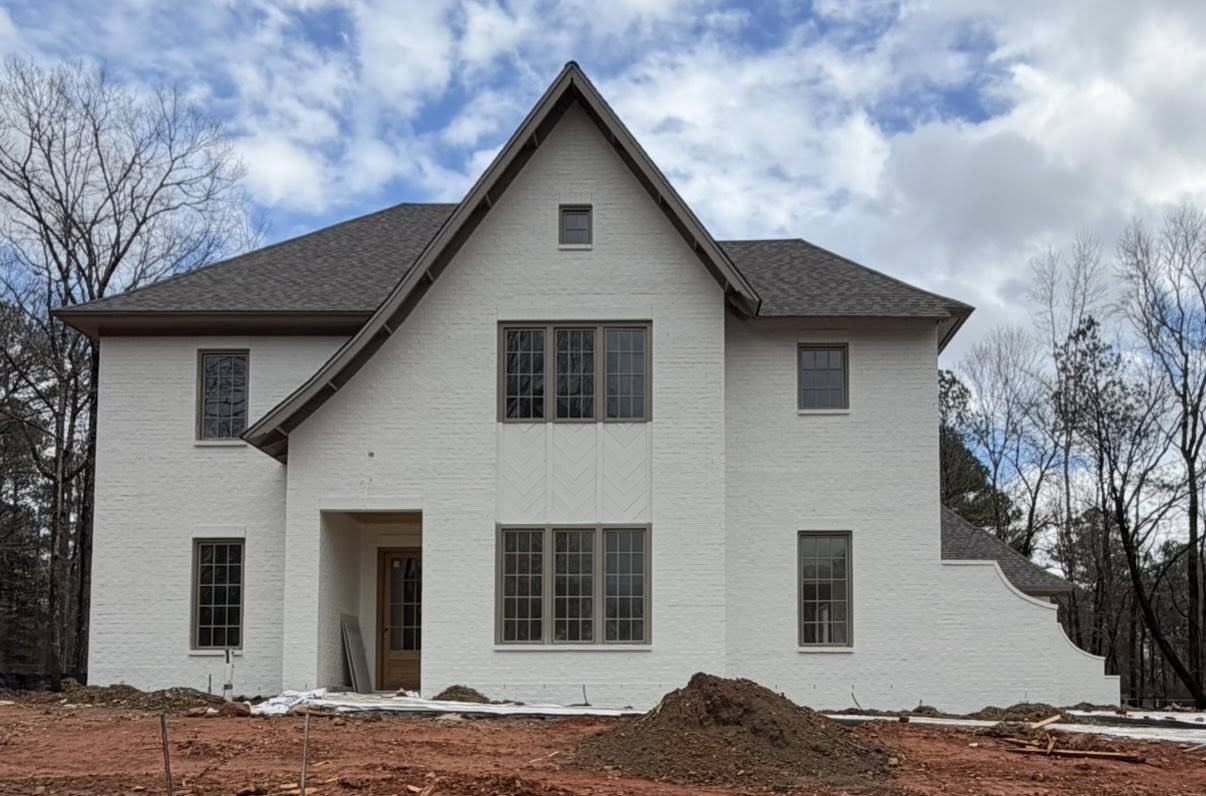
What Your Neighbor’s Sale Can Tell Us
A nearby sale can be helpful, but proximity alone does not make two properties comparable.
We also need to examine differences such as:
- Living area and layout
- Age and overall condition
- Renovations and maintenance
- Lot size and usability
- Garage and parking arrangements
- Outdoor features
- Location and surrounding influences
- Sale date and known transaction terms
A renovated home may attract different consideration than a similar home needing substantial work. Likewise, two properties with similar square footage can offer very different layouts.
Last year’s sale deserves context. It should not automatically become this year’s asking price.

Sold, Pending and Active Homes Tell Different Stories
A pricing review should distinguish between completed transactions and asking prices.
| Property status | What it helps us understand | Important limitation |
|---|---|---|
| Recently sold | What buyers actually paid | Differences and transaction terms need review |
| Pending | Which properties attracted an accepted contract | Final price and concessions may not yet be available |
| Active | What buyers can choose from today | Asking price does not establish market value |
| Expired or withdrawn | Where a listing did not result in a recorded sale during that listing period | Price may be only one of several contributing factors |
A high asking price on another home is not proof that your property should be priced similarly.
The National Association of REALTORS® pricing guide (https://www.nar.realtor/the-facts/consumer-guide-what-goes-into-pricing-your-home) explains how comparable properties and other factors contribute to an asking-price recommendation.
Your Home’s Condition Matters
Buyers consider the property they can purchase now.
Maintenance, presentation and improvements can influence that comparison. However, the amount spent on a project does not automatically translate into an equal increase in sale price.
Before making substantial changes, discuss which items deserve attention.
Some properties may benefit from cleaning, decluttering and addressing visible maintenance needs. Others may require a broader conversation about repairs, updates and how the asking price reflects the home’s condition.
The goal is to make informed decisions about preparation and pricing together.
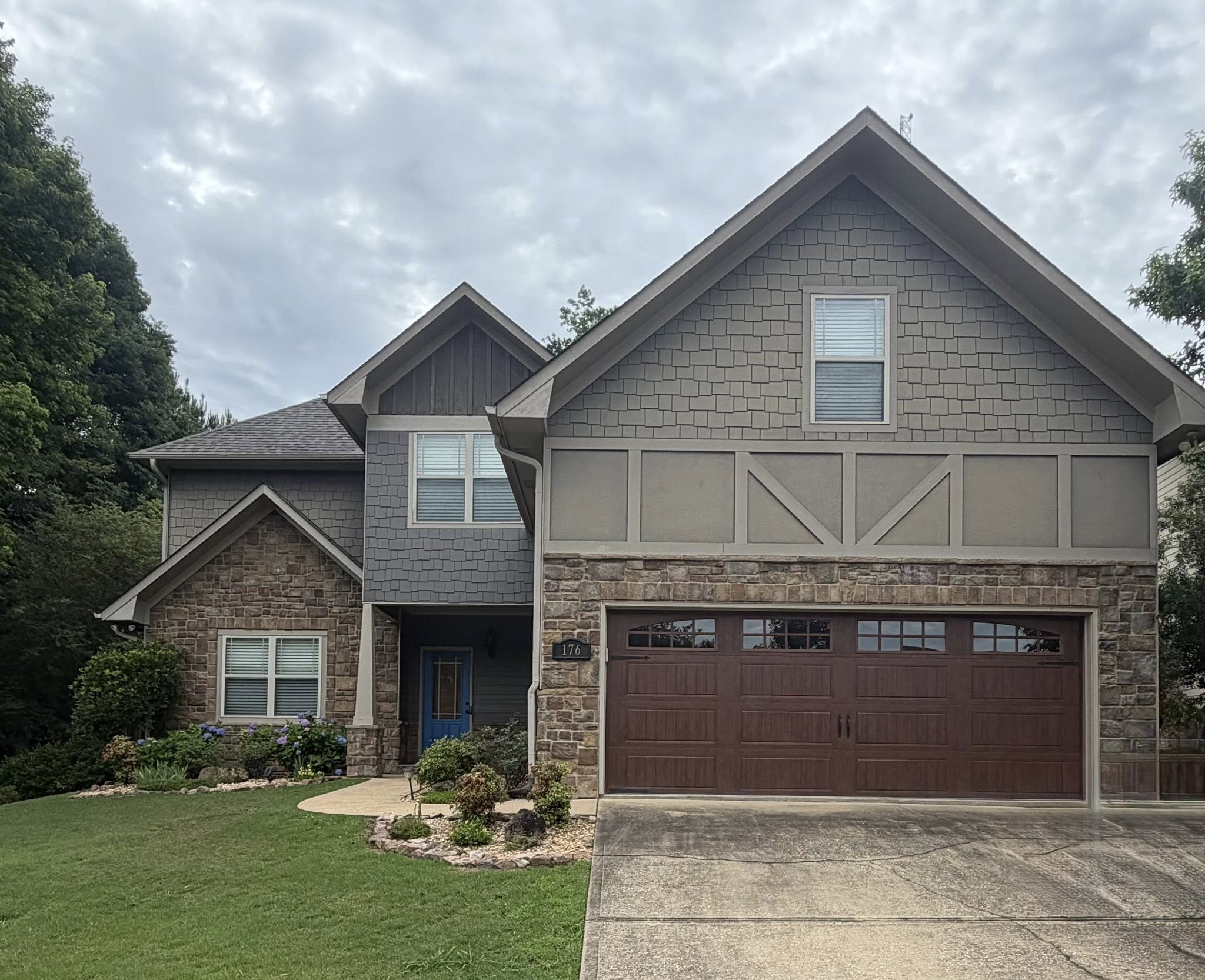
Auburn Location Requires a Closer Look
“Auburn” covers a range of property types and settings.
A condominium near Auburn University (https://www.auburn.edu/) should not automatically be compared with a detached home offering additional acreage. Even similar homes can have meaningful location differences.
Access to campus, downtown, daily destinations and Jordan-Hare Stadium (https://auburntigers.com/jordan-hare-stadium) may matter differently to different buyers.
When shopping access is relevant, we can consider the property’s actual route to destinations such as Auburn Mall (https://www.shopauburnalabama.com/). These details should support an accurate description of the home rather than an assumed dollar premium.
For address-specific school information, buyers should verify current details directly with Auburn City Schools (https://www.auburnschools.org/).
You can explore local settings through Auburn subdivisions (https://auburnopelikaalrealestate.com/auburn-al-subdivisons/), but pricing still requires reviewing the individual property.

Think Like a Buyer Comparing Options
Consider a hypothetical seller whose neighbor sold a renovated home last year.
The seller’s home has a similar layout but needs updates. Meanwhile, buyers can choose from several other properties in the same general price range.
Starting with the neighbor’s sale price would leave important questions unanswered. We would need to compare the condition, sale timing and competing options before recommending a list price.
That process helps explain the recommendation. It replaces an isolated number with a reasoned pricing range and strategy.
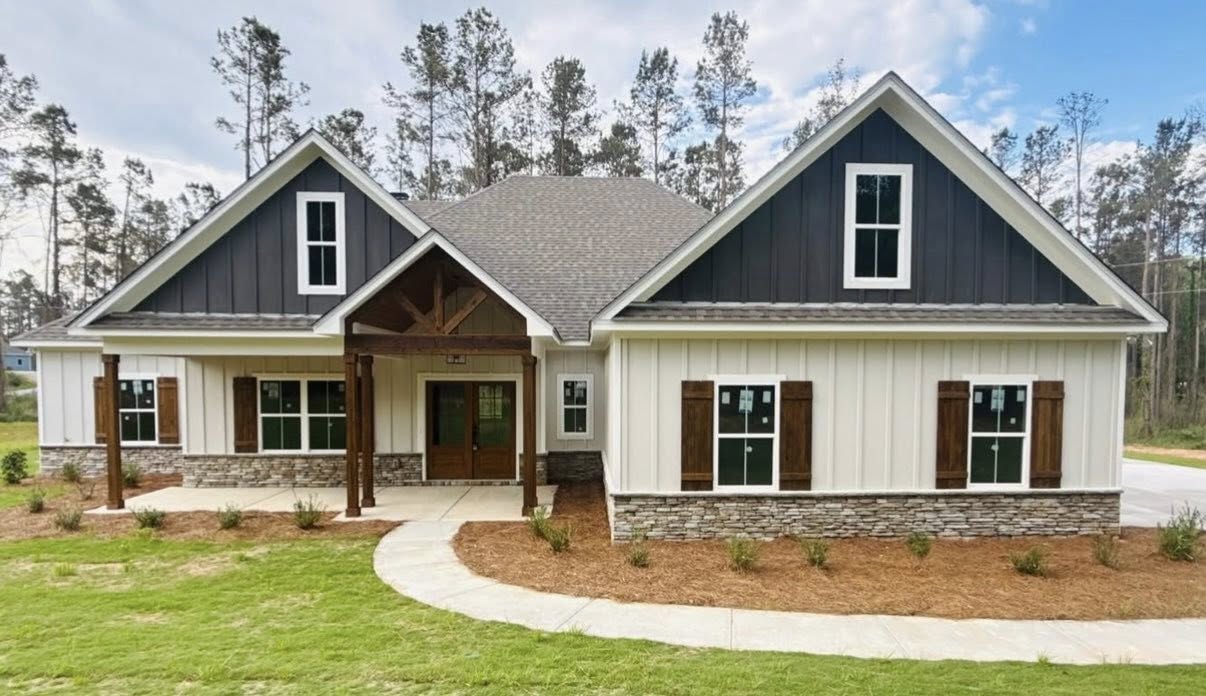
Why Starting Too High Can Be Risky
Buyers may decide a property offers less value than another available home and move on without requesting a showing.
Some may never contact the seller’s agent or explain their decision.
An ambitious price therefore deserves the same scrutiny as any other strategy. What evidence supports it? Which homes will buyers compare with yours? How will you evaluate the response?
There is no universal formula that guarantees a sale price or closing date. The recommendation should reflect the property, the evidence and your goals.

Five Steps to Build Your Pricing Plan
1. Review the property
Discuss condition, features, improvements and known maintenance needs.
2. Examine relevant sales
Select comparable properties thoughtfully and explain meaningful differences.
3. Evaluate current competition
Look at the choices buyers have within the likely search range.
4. Discuss your timing and priorities
Your moving plans matter, but they do not independently establish market value.
5. Set a review plan
Evaluate showing activity, feedback, competing listings and new sales. If results differ from expectations, review pricing alongside presentation, access and marketing.

Quick Q&A
How do I determine what my Auburn home is worth?
Start with a property-specific comparative market analysis that considers relevant sales, current competition, condition and location.
Does my neighbor’s sale determine my price?
No. It may be useful evidence, but differences between the properties and sale dates matter.
Should I use an online estimate as my asking price?
An automated estimate can be a starting reference. It may not fully reflect condition, improvements or the most appropriate comparable properties.
Do renovations add their full cost to my home’s value?
Not automatically. Buyer preferences, workmanship, the project and competing homes influence how improvements are received.
Should I list high to leave negotiating room?
That approach can affect how buyers compare your home. Discuss the evidence and tradeoffs before choosing it.
What if my home receives little activity?
Review the entire offering, including price, presentation, showing access and competition. Low activity alone does not identify one certain cause.
Is a pricing consultation the same as an appraisal?
No. A REALTOR®’s market analysis supports a listing strategy. An appraisal is a separate valuation service.

Related Auburn–Opelika Topics
- Preparing your Auburn home for sale
- Understanding your competition
- Comparing offers beyond the purchase price
- Choosing a realistic closing timeline
- Selling a home in Opelika
Ready to Discuss Selling Your Auburn Home?
Laura Sellers is an Auburn University alumna who has lived in the Auburn–Opelika area since 1988 and has been a REALTOR® for over 20 years. She is an Associate Broker with Berkshire Hathaway HomeServices Preferred Real Estate — the Official Real Estate Partner of the Auburn Tigers.

If you are considering selling, call or text me with your property address, timing and any significant improvements. We can discuss a pricing consultation and the information needed to evaluate your home.
Market conditions and competing listings can change. Your pricing recommendation should reflect current information when you are ready to sell.
Call or text Laura Sellers at 334-332-7263.
Visit AuburnOpelikaALRealEstate.com.
Let’s price your home with a clear understanding of what buyers can choose today.
Homes, y’all!