
Auburn Home Buying: Home Warranty or Repair Credit?

Auburn home buying sometimes involves a decision that isn’t as simple as asking a seller to repair everything before closing.
What if the home has an older HVAC system?
An aging water heater?
Older kitchen appliances?
Or another item that’s currently working but may be approaching the end of its useful life?
Depending on the transaction and what the parties negotiate, a buyer may consider options such as a home warranty or a repair credit.
Which would you rather have?
Potential coverage after closing?
Or money applied toward an anticipated repair?
There’s no universal answer.
The better choice depends on the property, the actual terms being offered, your priorities, and what the applicable contract and lender allow.

Table of Contents
• Auburn Home Buying: Understand What You’re Comparing
• What Is a Home Warranty?
• What Doesn’t a Home Warranty Mean?
• What Is a Repair Credit?
• A Credit Doesn’t Guarantee the Repair Cost
• Warranty vs. Repair Credit
• Start With the Home’s Actual Condition
• What About an Older HVAC System?
• Your Loan May Affect Your Options
• Don’t Confuse a Home Warranty With Homeowners Insurance
• Get the Details in Writing
• Auburn and Opelika Buyers Should Look at the Whole House
• Quick Q&A
• Buying a Home in Auburn or Opelika?
Auburn Home Buying: Understand What You’re Comparing
When you’re involved in Auburn home buying, don’t make a decision based solely on the words:
“We’ll give you a home warranty.”
Or:
“We’ll give you a repair credit.”
Those phrases don’t tell you enough.
You need to understand exactly what’s being offered.
With a home warranty, that means reviewing the actual plan.
With a proposed credit, that means understanding the amount, how it would be structured, whether it’s permitted in your transaction, and how it affects your closing.
The details matter.

What Is a Home Warranty?
A home warranty is generally a service contract that may provide limited coverage for certain home systems or appliances when specified problems occur during the coverage period.
But notice the important words:
May. Certain. Specified.
A home warranty isn’t a promise that every broken item in your house will automatically be replaced for free.
The particular warranty plan controls what is and isn’t covered.
Depending on the plan, there may be:
• Coverage limitations
• Exclusions
• Service procedures
• Service fees
• Dollar limits
• Requirements for making a claim
• Decisions about repair versus replacement
• Other terms and conditions
That’s why I don’t want a buyer simply hearing:
“You’re getting a home warranty!”
and assuming that means:
“Great! Everything is covered!”
Read the actual warranty information.
What Doesn’t a Home Warranty Mean?
A home warranty doesn’t make an old system new.
It doesn’t necessarily cover every component.
And it doesn’t eliminate the need to understand the condition of the property you’re purchasing.
Suppose an Auburn home has an older HVAC system that’s operating on the day of inspection.
A home warranty might sound reassuring.
But before relying on it, find out:
What does the specific plan say?
What conditions are covered?
What exclusions apply?
Are there coverage limits?
Is there a service fee?
How does the claims process work?
What happens if the company determines an item isn’t covered?
The contract matters more than the marketing phrase.
What Is a Repair Credit?
In some transactions, the parties may negotiate a credit rather than having the seller perform a particular repair before closing.
That can appeal to a buyer who would rather handle the work after closing and have more control over decisions such as:
Who performs the work?
When is it completed?
What product or system is selected?
Would the buyer rather contribute additional money and make a larger upgrade?
But a credit has its own limitations.
The structure and amount must work within the transaction, contract, lender requirements, appraisal considerations when applicable, and closing process.
Your lender and closing professionals should be involved when necessary to determine what is permissible for your particular transaction.

A Credit Doesn’t Guarantee the Repair Cost
This is a big one.
Let’s say everybody anticipates a repair might cost a certain amount.
Then after closing, the actual work costs considerably more.
The negotiated credit doesn’t magically increase.
An estimate is an estimate.
Unexpected conditions can be discovered.
Labor or materials may cost more than anticipated.
The scope of work may change.
That’s one reason buyers should obtain appropriate professional evaluations and estimates when a potential repair is important to their purchasing decision.
Don’t assume a credit eliminates all financial risk associated with a repair.

Home Warranty vs. Repair Credit
Here’s a simple way to think about the difference:
| Home Warranty | Repair Credit |
|---|---|
| May provide limited coverage after closing | May provide negotiated financial consideration within the transaction |
| Subject to warranty terms | Subject to contract, lender and closing requirements |
| May include service fees | Buyer generally handles repair after closing |
| Coverage exclusions may apply | Actual repair may cost more than anticipated |
| Claims process may control how service is handled | May give buyer more control over repair decisions |
| Coverage limits may apply | Negotiated amount is limited to what was agreed and permitted |
Neither option is automatically better.
You need to compare what you’re actually receiving.
Start With the Home’s Actual Condition
Before getting too caught up in warranty versus credit, go back to the house.
What’s actually happening?
Is the item functioning?
What did the home inspection reveal?
Is additional evaluation recommended?
How old is the system?
What condition is it in?
Is the concern cosmetic, maintenance-related, functional, or potentially more significant?
Would a qualified contractor or specialist provide useful information?
The more important the issue is to your decision, the more important it becomes to get appropriate information.
Your REALTOR® can help you navigate the real estate process.
Your home inspector, HVAC professional, plumber, electrician, roofer, contractor, engineer, or other qualified professional should address matters within their expertise.
What About an Older HVAC System?
This is a common example because HVAC replacement can represent a meaningful expense.
Imagine you’re buying a home in Auburn or Opelika.
The HVAC is older.
It’s currently operating.
You love the house.
Now what?
Don’t automatically conclude:
“It’s old, so the seller has to replace it.”
And don’t automatically conclude:
“It’s working, so there’s nothing to think about.”
Instead, gather information.
Review inspection findings.
Seek additional professional evaluation if appropriate.
Understand the system’s condition.
Then evaluate whatever options are available within your transaction.
That could potentially involve a repair, replacement, warranty, credit, price negotiation, or another negotiated solution depending on the circumstances.

Your Loan May Affect Your Options
This is another reason buyers shouldn’t create their own solution without talking to the professionals involved.
Credits and concessions may be subject to requirements and limitations based on your loan program and transaction.
A lender may also have requirements regarding certain property conditions.
So if somebody says:
“Why don’t we just give you $10,000 at closing?”
don’t assume it’s automatically that simple.
Talk to your lender and the appropriate closing professionals.
Make sure the proposed solution actually works within your transaction.

Don’t Confuse a Home Warranty With Homeowners Insurance
They’re not the same thing.
Homeowners insurance and home warranties serve different purposes and have different terms, coverage, exclusions, deductibles or fees, and claim procedures.
Buyers should review the actual documents for each rather than assuming one substitutes for the other.
If you have questions about insurance coverage, ask your insurance professional.
If you have questions about a home warranty, review the warranty contract and ask the provider.
Get the Details in Writing
This is probably my biggest takeaway.
Don’t rely on:
“They said it would be covered.”
What does the warranty actually say?
What does the purchase agreement actually say?
What repair has been agreed upon?
What credit has been agreed upon?
What does your lender permit?
What documentation will you receive?
Real estate involves a lot of conversations.
But when something is important to your decision, the actual written terms matter.
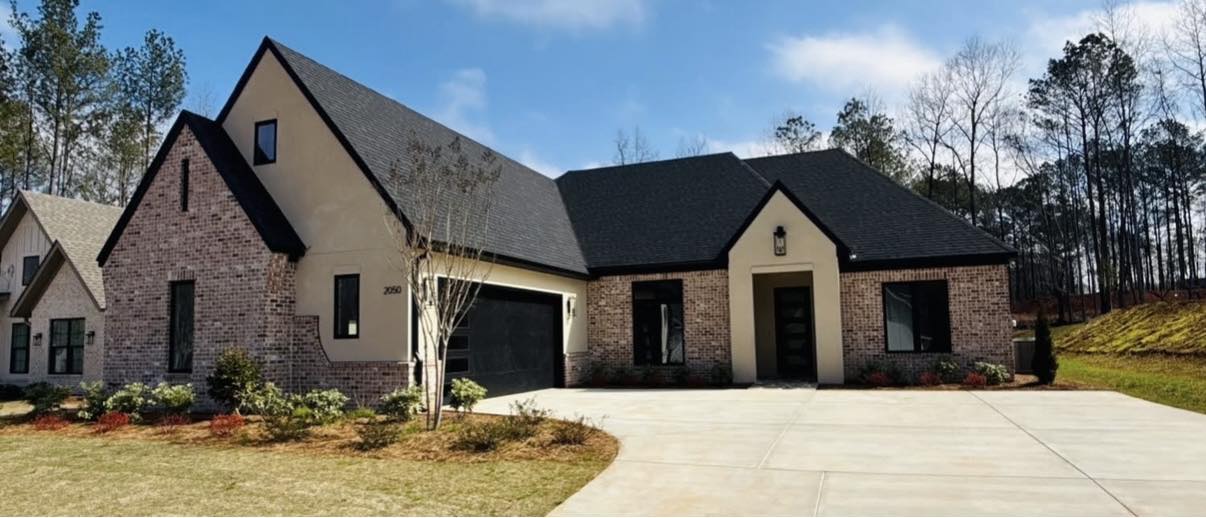
Auburn and Opelika Buyers Should Look at the Whole House
Whether you’re considering Auburn homes for sale or Opelika homes for sale, don’t allow one older appliance or system to become the only thing you see.
Look at the entire property.
Location.
Price.
Condition.
Roof.
HVAC.
Plumbing.
Electrical components.
Appliances.
Windows.
Lot.
Maintenance.
Updates.
Floor plan.
And your expected ownership plans.
Then evaluate the property as a whole.
If you’re relocating to Auburn for Auburn University (https://www.auburn.edu/), location and commute may also be important.
If you’re looking for a game-day property, proximity to Auburn University, Downtown Auburn, and Jordan-Hare Stadium (https://auburntigers.com/jordan-hare-stadium) may affect your priorities.
Different buyers can look at the same Auburn home and reasonably make different decisions.
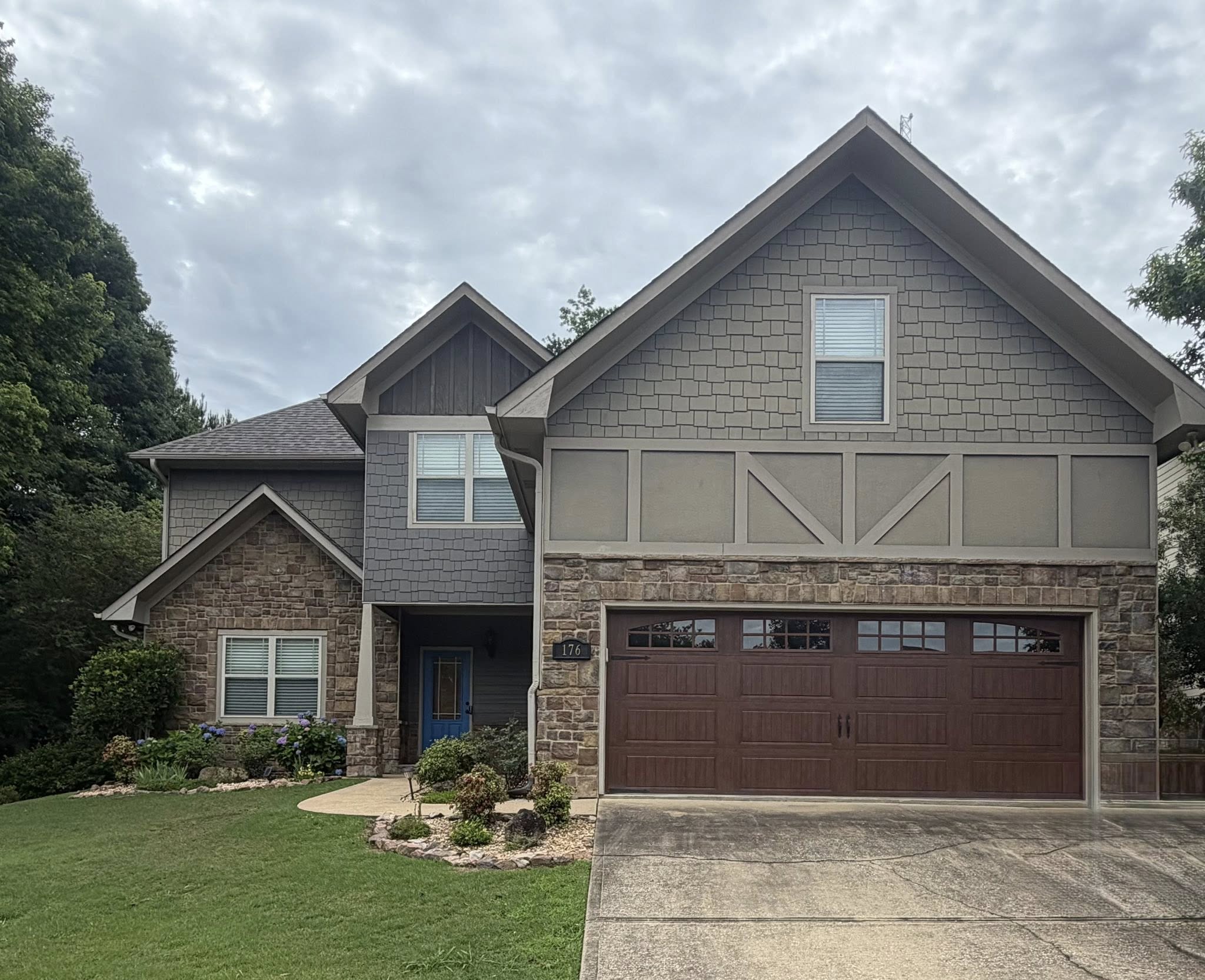
Don’t Let an Older Appliance Automatically Scare You
Let’s imagine a relocation buyer finds an Auburn home they really like.
The location works.
The floor plan works.
The price is within budget.
The inspection provides useful information about the property, but there are some older systems or appliances.
One buyer may say:
“I’d rather have potential warranty coverage after closing.”
Another may say:
“I’d rather negotiate an appropriate credit if possible and choose how I handle the work.”
Another buyer may decide the uncertainty doesn’t fit their plans at all.
That’s why the answer isn’t:
ALWAYS GET THE WARRANTY.
And it isn’t:
ALWAYS TAKE THE CREDIT.
The answer is:
Understand the property and compare the actual options available to you.
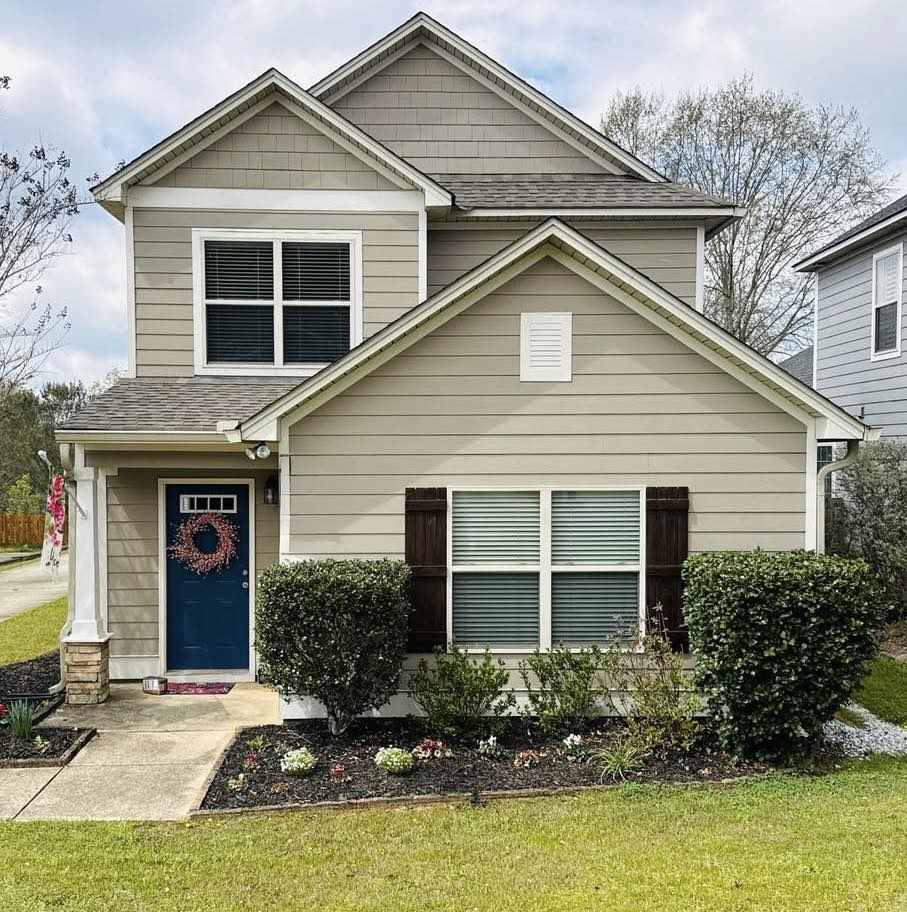
Moving to Auburn or Opelika?
If you’re relocating here, it’s especially important not to make decisions based on assumptions from another real estate market.
Contracts, customs, properties, negotiations, and individual transactions can differ.
You can learn more about Auburn residential options here:
Auburn Subdivisions (https://auburnopelikaalrealestate.com/auburn-al-subdivisons/)
For official public-school information:
Auburn City Schools (https://www.auburnschools.org/)
Opelika City Schools (https://www.opelikaschools.org/)
For local shopping:
Tiger Town (https://www.opelika-al.gov/397/Tiger-Town)
And for more Auburn–Opelika real estate information:
AuburnOpelikaALRealEstate.com
Quick Q&A About Home Warranties and Repair Credits
What is a home warranty?
A home warranty is generally a service contract that may provide limited coverage for certain systems or appliances according to the specific plan’s terms, limitations and exclusions.
Does a home warranty cover everything?
No. Coverage depends on the actual warranty contract. Exclusions, limits, service procedures and fees may apply.
What is a repair credit?
In some transactions, buyers and sellers may negotiate a credit related to a property concern rather than having the seller perform certain work before closing. How a credit can be structured depends on the transaction and applicable requirements.
Is a repair credit better than a home warranty?
Not automatically. A credit may provide more control over how a buyer handles an anticipated repair, while a warranty may provide certain potential coverage after closing. Compare the actual terms and circumstances.
What if the repair costs more than the credit?
The buyer may be responsible for costs beyond the amount negotiated, depending on the transaction and circumstances.
Can a seller give a buyer any amount as a repair credit?
Don’t assume so. Financing, contract and closing requirements may limit or affect how credits and concessions are handled. Ask your lender and appropriate transaction professionals.
Should I rely on a warranty instead of getting a home inspection?
No. A home warranty and a home inspection serve different purposes.
Who should tell me what a repair will cost?
Get information from an appropriately qualified contractor or professional for the specific system or repair involved.

Auburn Home Buying? Understand Your Options Before You Decide
If you’re involved in Auburn home buying and an inspection reveals older systems, appliances, or anticipated repairs, don’t automatically choose a home warranty or repair credit because one sounds better.
Ask questions.
Read the documents.
Understand the property’s condition.
Get professional evaluations when appropriate.
Talk with your lender about financing requirements.
And understand exactly what each negotiated option would provide.
Potential coverage after closing or money applied toward an anticipated repair—which would you prefer?
There’s no universal answer.
That’s where understanding the individual property and transaction matters.
Laura Sellers is an Auburn University alumna who has lived in the Auburn–Opelika area since 1988 and has been a REALTOR® for over 20 years. She is an Associate Broker with Berkshire Hathaway HomeServices Preferred Real Estate, the Official Real Estate Partner of the Auburn Tigers.

Buying or relocating to Auburn or Opelika?
Call me before you start touring properties or clicking contact-agent buttons online.
Let’s make sure you understand more than what the listing photographs show.
Laura Sellers, Associate Broker
Berkshire Hathaway HomeServices Preferred Real Estate
Call or text: 334-332-7263
AuburnOpelikaALRealEstate.com
Homes, y’all!